From the man who wrote the Declaration of Independence and founded one of the finest institutions of higher learning (and my alma mater):
“I cannot live without books” ~ Thomas Jefferson
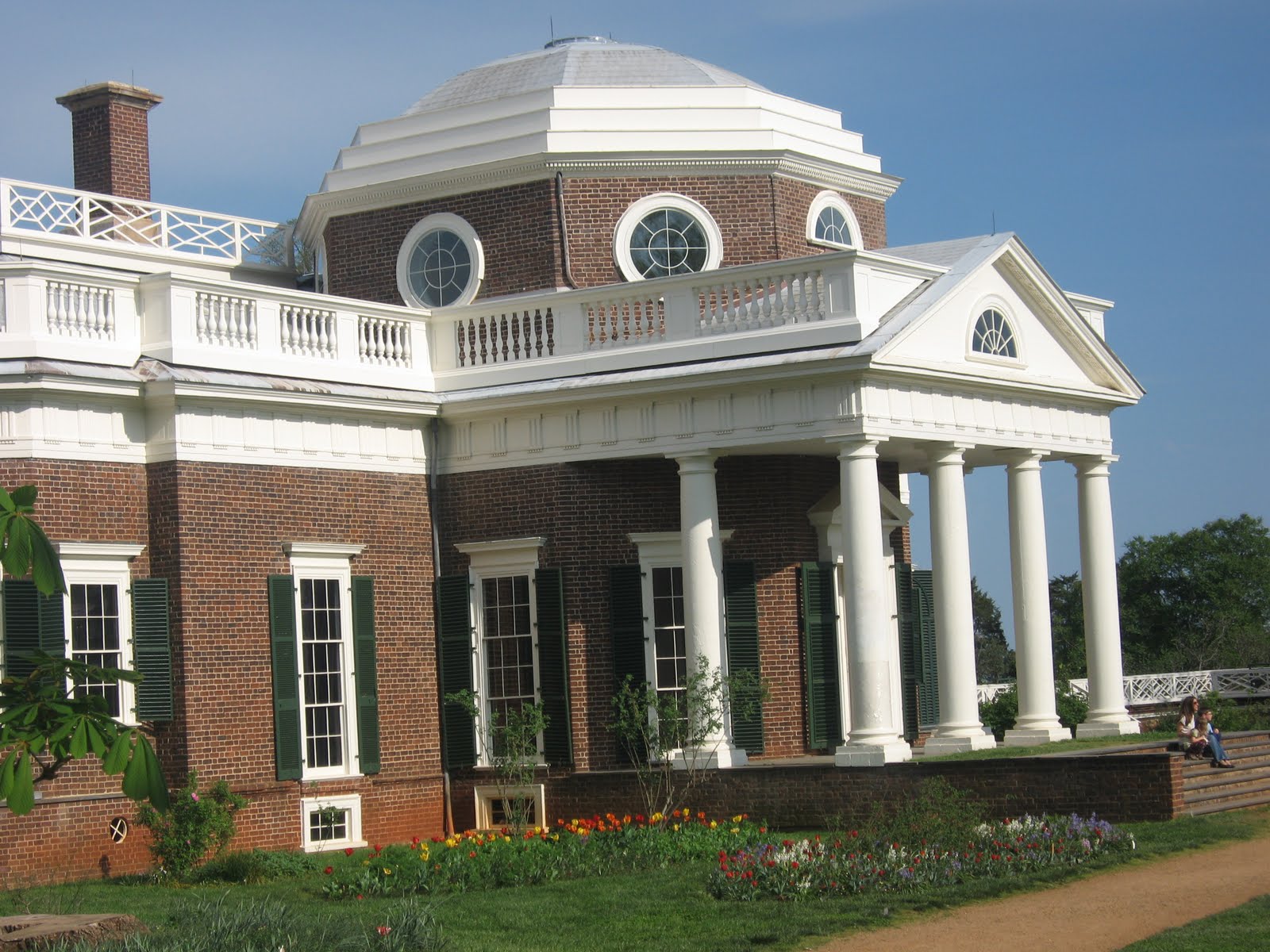


From the man who wrote the Declaration of Independence and founded one of the finest institutions of higher learning (and my alma mater):

I love college campuses, don’t you? A word nerd can find so much inspiration.
When I was picking my son up from “Camp Invention” at Radford University, I stumbled upon this quote from the great Henry David Thoreau in the Alumni Garden:
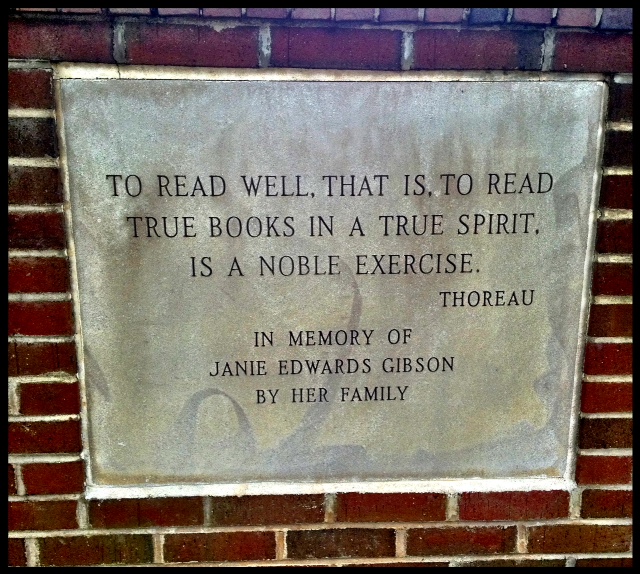
I hope you are spending plenty of time in this noble exercise.
Hmm. I wonder what he meant by “true books”? Perhaps not Fifty Shades of Gray?
Happy Reading!
Julia
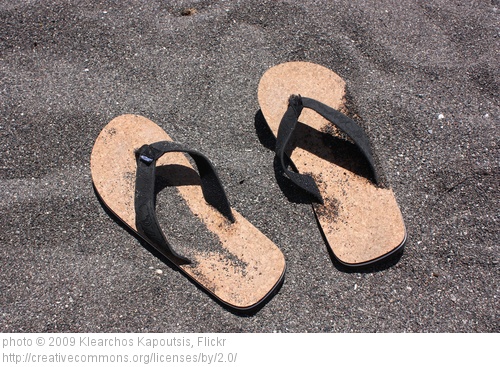 Today I embark on my annual trip to Lake Pleasant in the Adirondacks. Here’s to reconnecting with good friends, no cooking for a week, and plenty of activities to keep my family happy. Think putt-putt golf, white water rafting, and hiking. But the thing I look forward to the most: spending time on the beach and READING!
In years past I toted Pillars of the Earth and Great Expectations up to the lake. My traveling companions laughed at me. This summer, I want something more “beachy”.
Here are my criteria for a good vacation book; let me know if you agree.
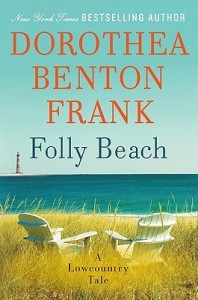
A few weeks ago, I finished Folly Beach by Dorothea Benton Frank. What conjures up a coastal breeze better than a novel set in South Carolina? The story: Cate Cooper returns to her childhood home after her husband’s suicide leaves her homeless, broke and emotionally shattered. Besides including lovely description of Folly Beach, Ms. Frank weaves in historical information about Dubose and Dorothy Heyward and their collaboration with the famous composer George Gershwin.
Folly Beach got me in the mood for summer and gave me a few laughs. Ms. Frank has a reputation for “saucy wit.” But the dialogue and tone seemed targeted for an “older” audience. Perhaps that’s just because I’m immersed in the world of YA these days.
 Although it breaks my “no non-fiction” rule, I’d also recommend Stories I Only Tell My Friends, Rob Lowe’s autobiography. In full disclosure, I haven’t read it myself, but my friend Kristen really enjoyed it on our trip a few years ago. And not just for the pictures. I loved hearing her say after dinner one night, “I’m gonna go crawl into bed with Rob Lowe.”
If you prefer audio books, Mr. Lowe read this one himself, and apparently he does a great Cary Grant impression.
 My choice for this summer is Looking for Alaska, by John Green. Mr. Green always delivers wit, but I’m also sure he’ll wow me with thoughtful prose. Hopefully nothing too deep.
What have been some of your favorite beach reads? What qualities do you look for in a vacation book?
Share your suggestions in the comments, and thanks for stopping by!
P.S. Since I’ll be at the lake, I’m taking a blog vacation as well. Look for new tips on vocabulary and reading starting July 17.
Julia
 Welcome to Wondrous Words Wednesday, a chance to learn a few more word nerdy words! Thanks to Kathy at bermudaonion.net for hosting this fun meme.
This five syllable gem popped up in my inbox a few weeks ago, thanks to the Merriam-Webster’s word of the day email. Say it five times fast; I dare you!
sesquipedalian \sess-kwuh-puh-
Supposedly the Roman poet Horace originally came up with this word to warn young poets against using exceptionally big words. Centuries later, English literary critics started using it to criticize verbose writing.
My eldest son, an avid reader, likes to use sesquipedalian words to impress his peers; usually they just think he’s weird.

Think of some sesquipedalian words and share them below. For example: indubitably, perfunctoriness, vituperation.
Thanks for working out your brain with me today!
Julia
Next week, big change will come to the Internet, and you should prepare now.
On July 1, Google Reader, the tool many word nerds use to follow blogs, will disappear. So will all of your feeds in Google Reader. But fortunately many alternative apps have emerged. You just have to pick one. Soon.
A few explanations: feeds, subscriptions, and RSS.
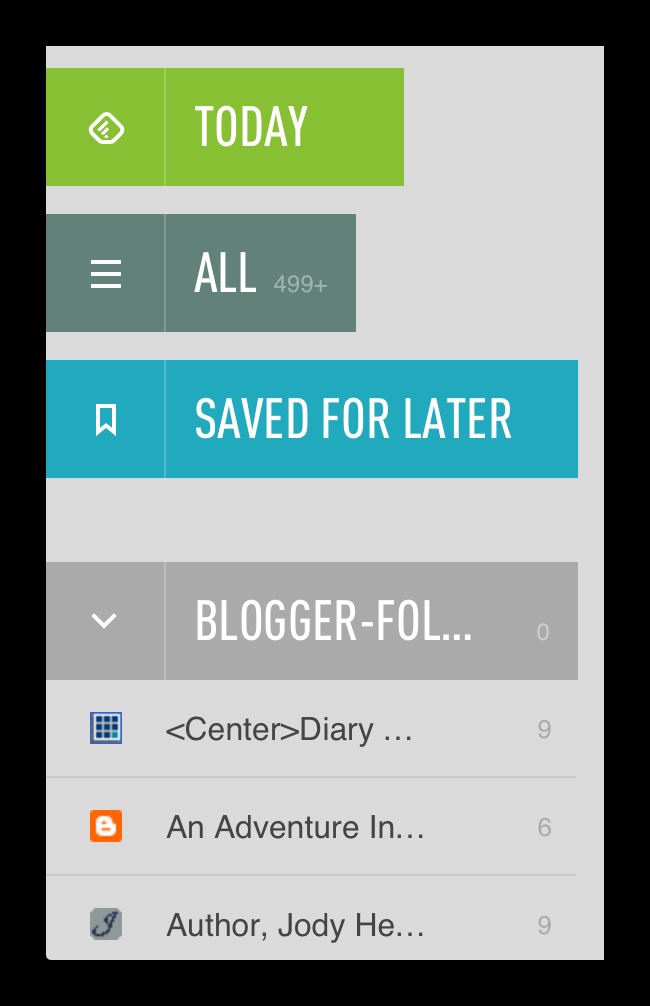
Essentially, a feed is like a channel for updates of new content on blogs and websites that you choose to follow. You can access and organize those feeds with a reader, such as Google Reader, Feedly, or Flipbook. This is a great way to keep up with new content without clogging up your inbox.
You subscribe to feeds using RSS: Real Simple Syndication. Word Nerd Note: syndicate (verb) means to sell for publication in many places at once. Thankfully, you don’t have to buy your subscription to most blogs. You simply sign up for new content by clicking on the RSS button and registering. Then, when you want some good reading material, you can scroll through new material without having to run all over the Internet.
If you have subscribed to feeds, you can transfer your subscriptions to another reading tool. There are plenty out there, but I recommend Feedly.
Several months ago, I switched to Feedly and have never looked back. Here’s why.
Feedly isn’t the only option. For other ideas, consult this helpful article, which includes a comparison chart of 14 different readers. (I love charts!)
The best way to ensure that you won’t miss new content would be to subscribe to blogs you love via email; any posts will come straight to your inbox. Look for a subscription form at blogs you like to visit. Mine is up there, in the right hand side bar, under my picture. See it? “Subscribe to Diary of a Word Nerd.”
Don’t be afraid to subscribe. I only post twice a week, so I won’t overwhelm you with emails. And then you will receive all of my crucial word nerd information, like the meaning of obfuscation.
How do you follow your favorite blogs? Can you recommend a Google Reader alternative?
Thanks for stopping by!
Julia
A few weeks ago, I cleared up some confusion about the word “erstwhile.” Apparently, I wasn’t the only one who didn’t know that it meant “former.” I’m here again, sharing a word that I thought meant commotion, but actually means something much different.
I subscribe to Merriam-Webster’s Word of the Day email, and when “milieu” popped up in my inbox, I said to myself, “Oh, I know that one. Commotion, a mess.”
Wrong! Good thing I read the entire email.
milieu \mel-‘yü\ noun, from the French mi– middle + lieu place; the physical or social setting in which something occurs or develops
For example,
A middle school dance provides the perfect milieu for embarrassing situations and gossip.
Do you remember middle school dances? Shudder. Soon, I’ll have to attend them again- as a chaperone!
Use milieu in a sentence.
If you’d like to learn more word nerdy words, check out Wondrous Words Wednesday at Bermudaonion.net for links to more interesting vocab!
Julia