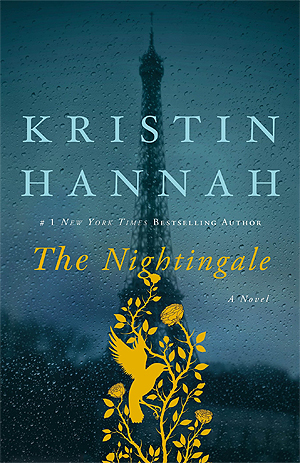
I know, you’ve read enough WWII novels, but The Nightingale takes an approach I haven’t seen before, showing how women resisted the Nazis in occupied France. It’s a good “girl power” story. 😉
Premise
Sisters Vianne and Isabelle approach life differently. When their mother dies, their father, emotionally devastated by WWI, abandons them to the care of a cheerless woman in the French countryside. Vianne falls in love and marries young, embracing a quiet rural life, while reckless Isabelle gets herself thrown out of multiple schools, always rebellious and desperate to find the love she didn’t get from her family. As WWII escalates and Nazis take over France, the sisters resist the evil growing around them in ways that fit best with their opposing personalities. The Nightingale is a story of family bonds, broken and reformed, and strength in the face of terrible loss.
 What I liked
The narrative alternates between the two sisters, and I liked the juxtaposition of their stories and the different ways they fought against the horrors of the war. Once the story takes off, this alternating narration adds pace and suspense. I also enjoyed reading about the courageous things women did, like leading groups of Allied pilots out of France over the Pyrenees mountains.
I’ve never read a novel about a country occupied by Germany, and it was interesting to learn about what life was like for the French living with German soldiers in their midst. Hannah shows how Nazis manipulated and bullied innocent people into their master plan. For example, French citizens were asked to name their Jewish countrymen before they knew why that would be dangerous. It made me thankful to live in a time when our omniscient social media would make it nearly impossible for hundreds of people to be bused out of Paris to an undisclosed location for unknown reasons.
German soldiers billet in Vianne’s house, one of them a sympathetic character and one of them a monster. I liked how the first one, despite his status as a Nazi officer, displays compassion and concern for Vianne and her family. It is a nice multidimensional depiction of a character in complicated circumstances.
What I didn’t like
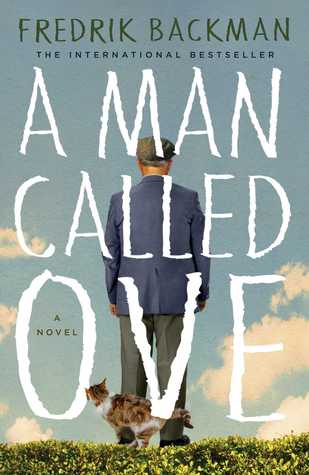
The opening chapters, which lay the groundwork for Vianne and Isabelle’s personalities and family dynamic, felt slow. (My fellow book club members suggest getting that early section done in one sitting). Also, as to be expected with a war novel, it was very sad, and things get increasingly worse for a long time before there is a flicker of hope at the end. Hannah’s writing style seems heavy on description and felt slow compared to the quirky and sparse voice of the last novel I read, A Man Called Ove.
Recommendation
For lovers of historical fiction and war stories, The Nightingale is a good pick. However, I prefer All the Light We Cannot See by Anthony Doerr for a WWII read. I liked the characters better, there is a more equal depiction of both sides of the war, and All the Light did a great job of detailing the brainwashing and bullying that went on in the Nazi regime. Also, All the Light culminates with riveting chapters from multiple perspectives that made it impossible for me to put the novel down.
Another favorite WWII novel of mine is The Book Thief, by Markus Zusak. It has an unusual style and narrator (Death) which I enjoyed but puts some readers off. I adore the overriding theme of The Book Thief: the power of words and books to bring hope and (literally) save lives.
Notes on content
Hannah does a good job of depicting the horrors of the war without getting too graphic.
If you have you read The Nightingale, what did you think? What are some other books about WWII or war that you would recommend?
Happy reading!


 Plurals and possessives are confusing, and apostrophes can cause mayhem. For example, my iPhone annoys me when auto-correct insists on adding ‘s to days of the week when I just want to indicate plural. When I type, “We will practice on Wednesdays”, iPhone always pops up “Wednesday’s”. 🙁