
What’s my generation and does it matter?

With all of the social unrest regarding race relations and our country’s response to the corona virus, I’ve been consuming lots of material to help me understand our country’s history and social structures. Frequently, articles and podcasts refer to generations and how the perceived characteristics of each generation influence their response to our current struggles. I know what a Baby Boomer is, but I get confused by terms like “Gen X”, “Millennial”, and “The Silent Generation”. (Ever heard that one before?)

If you, like me, don’t have your generations straight, here’s the low down on everyone born between 1928 and 2012. However, like Alfie Kohn, author of an article titled Gener(aliz)ations: News flash: All people in your age bracket aren’t necessarily similar, I think we should be cautious about making sweeping generalizations about groups made up of several million people based solely on age.

The Silent Generation: 1928-1945

These people were born between 1928 and 1945 and are in their 70s and 80s today. This generation is one of the smallest modern generations, as The Great Depression and World War II kept birthrates low. Time magazine first labeled this group “The Silent Generation” in 1951. Experts suggest that because of the McCarthy Era of the 1950’s and the social expectation that children should be seen and not heard, this generation of Americans is hesitant to speak out or disturb the social order. In general, people in The Silent Generation married and had children early. They also started the “divorce revolution” when they got older. They value hard work and saving money. Note: Bernie Sanders is a member of The Silent Generation, and obviously he has no fear of speaking out.

https://live.staticflickr.com/65535/48608243141_1f1762cb79_o.jpg
Photo credit: Gage Skidmore via flickr CC-BY-SA

Baby Boomers: 1946-1964

This generation has been one of the largest modern generations, thanks to increased birth rates after WWII. Baby Boomers led the Civil Rights Movement and Woodstock and fought in Vietnam, but they are also often characterized as being self-absorbed. (?) Although many Baby Boomers are now retired, when they were younger, they tended to put work first and inspired the term “workaholic”. Baby Boomers were the first generation to have a large number of women join the work force. Because they didn’t have as much technology growing up, Boomers are believed to have outstanding interpersonal skills. They have, however, adapted to modern technology and use it to improve productivity, while their younger counterparts use it more for connectivity.

Generation X: 1965-1980

That’s me! Generation X is often considered “the lost generation”, sandwiched in between Baby Boomers and Millennials. Gen Xers have waited longer to marry and start families, seeking to develop themselves first. They have also seen even more women enter the workforce than the Baby Boomers. Perhaps in response to their hard working, career focused parents, Generation Xers value work-life balance. They also are more likely to embrace change and fight to combat corruption. The women of Generation X were the first generation to outpace their male counterparts in education. (E.g. more women earned college degrees in their 20s and 30s than men.) I got married at 23 and opted to be a stay at home mom in my 30s, so I don’t fit the general descriptors for my generation, but I can see the trends.

Millennials: 1981-1996
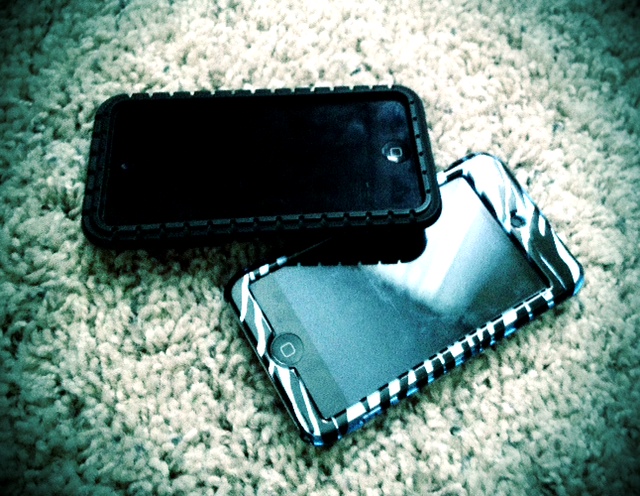
Do these devices = the enemy?

Whew, Millennials get a bad rap. They are often characterized as narcissistic, having been brought up by parents who wanted to befriend instead of discipline them. They are also described as confident, entitled, and the most depressed and anxious generation in modern history. They love technology, but some fear that engagement with tech has led to anxiety and poor social skills. They are more diverse and better educated than previous generations, however there is a sharp economic divide between those with a college degree and those without. Many graduated from college during The Great Recession, which hampered them financially. They carry a lot of student debt (double that of their Gen X counterparts) and have less accumulated wealth than previous generations did in their 20s and 30s. More have chosen to live with their parents and put off marriage compared to previous generations. More Millennial women than men have college degrees, and even more women in this generation are working compared to previous generations. Millennials, like Gen Xers, value change and reform. They also appreciate flexibility, and want to work smarter, not harder.

Generation Z: 1997-2012

Ah, my kids are Generation Z, on track to be the most diverse and best educated generation yet. Gen Z Americans lean liberal and think government should be more involved in solving major problems, like environmental change and economic disparity, and they believe the growing diversity in our country is good. They too have been highly influenced by technology, and have also been characterized as anxious. Not much data has been collected about them yet, as the oldest are just 23.

So there you have it, a basic explanation of 20th and 21st century generations. Again, while it’s interesting to look back on historical and social trends, I take issue with characterizing millions of people with a few adjectives. An interviewee on a recent podcast I listened to suggested that the Black Lives Matter movement doesn’t have any leaders because Millennials and Gen Z kids were coddled by their parents, are focused on earning money, and have no desire to serve. That didn’t sit well with me, since I know several people from both of those generations who do not fit that characterization.

Personality, education, race, socioeconomic status, age, and developmental maturity all play a role in how we respond to situations. While it’s easier to think of people in terms of one or two characteristics, we have to appreciate that we are much more complicated, and therefore, so are our issues.

What’s your generation and how do you compare to the description I shared?

If you’d like to learn more about generational trends, check out these articles (which also served as my sources):

Thanks for getting nerdy with me!
Great listening for your summer road trip

Four months into the pandemic, most people I know are itching to take a vacation. Even husband, a health care professional and extra cautious citizen in the time of corona, agrees that we need some time away from home. So soon we will travel to a safe place, and I’ll need good things to listen to while I drive! It’s amazing how a thought provoking podcast or an intriguing audio book can make the long hours on the interstate pass quickly.

If you are also planning for a summer road trip, here a few listening recommendations from The Word Nerd.

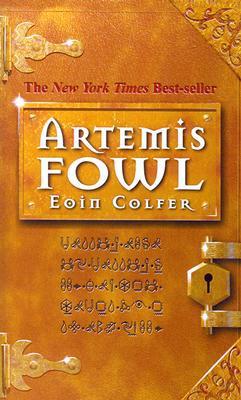
Artemis Fowl

Disney+ just released its movie adaptation of Eoin Colfer’s fantastic kid lit novel, Artemis Fowl, which chronicles the escapades of an teenage genius and his devious plots to preserve his family’s wealth. Do not watch the movie. The graphics are bad, the story is bad, the characters are wrong. Instead, spend your precious time listening to the audio books, read expertly by Nathaniel Parker. Colfer combines action, fairy magic, and humor to spin a story that will entertain kids and adults alike. Artemis Fowl, and the other books in the series, will make your road trip fly by.

The Most Fun We Ever Had

The Most Fun We Ever Had by Claire Lombardo is not for kids. It is, however, a thoughtful and complicated look at marriage and family dynamics. The structure flips between one year in present lives of a Chicago couple and their four adult daughters and flashes into their past, revealing rivalries, resentments, betrayals, and joys. If you like the TV show This is Us, (which I LOVE!), you will enjoy The Most Fun We Ever Had. Emily Rankin does a nice job narrating the audio book.

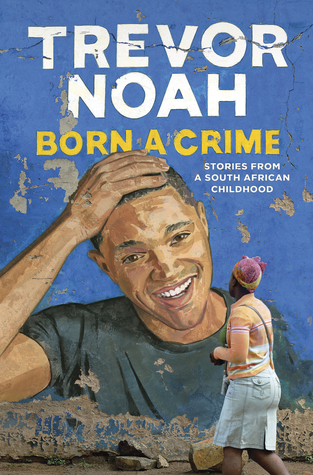
Born a Crime

This month, my book club is reading Born a Crime, Trevor Noah’s fascinating autobiography about growing up in post-apartheid South Africa. Noah reads the audio book version himself and does a fantastic job of emphasizing the humor and heartbreak in the stories of his childhood. It was also nice to have him pronounce words I surely would have butchered if I read it myself. It’s also a great way to learn about the destructive influence of prejudice and hostility, which seems especially relevant at this time.

Code Switch

I have recently discovered Code Switch, a podcast from NPR that explores the influence of race on all aspects of American society, which again seems particularly relevant in the wake of the #BlackLivesMatter movement. In a recent episode, “Why now, white people?”, the hosts, both journalists of color, debate why so many white people are now involved in #BlackLivesMatter protests, even though the issues have been around for decades. The podcast offers good things for me, a middle class white woman, to consider.

The Argument

The podcast The Argument, from The New York Times, appeals to me because it features columnists from opposing points of view, often at least one conservative and one liberal, respectfully discussing issues. There’s no name calling or ridiculous generalizations, just three people thoughtfully analyzing history and current events. It’s a refreshing change from the hostile rhetoric that fills my Twitter feed.

I realize these last two recommendations come from liberal media sources. If anyone has recommendations from conservative viewpoint, I welcome the suggestions!

What do you like to listen to on a road trip? Do you have any podcasts or audio books to add to this list?

Stay safe, either at home or on the road!

How to complete a summer reading challenge

Last week, my guest Isabel shared some ideas for how to get more creative. This week, my guest Elsie Weisskoff has some tips for encouraging a better reading habit in this summer of quarantine. She’s even got some printable challenges to keep you, or your kids, accountable! Take it away, Elsie!

Summer marks the halfway point of the year. It’s a good time to reflect on how the year has gone and what your goals are moving forward. This time in quarantine may have given you a new appreciation for reading. If this is the case, bring your new reading habits into the rest of the year with a reading challenge. 

Reading challenges are a fun way to diversify your reading list and motivate you to read titles you might not normally pick. There are many challenges to pick from, so you’ll be sure to find one that fits your style. If you’re interested in completing one this summer, here are some tips to keep in mind. 

1. Set your goal ahead of time

Consider why you want to complete this challenge? What do you hope to accomplish? Whether you’re trying to read more daily or would like to get through the stack of books on your bedside table, there is a challenge to help you.

photo of a reading habit trackers

2. Choose a challenge that fits your goal

Picking a challenge to complete a book each month might not be a challenge if you normally complete 5 each month. Be sure to pick one that matches your reading goal and challenges you

3. Hold yourself accountable

As time passes, it’s easy to let goals go forgotten. Be sure you’re holding yourself accountable by writing down the reading goal and telling your friends and family about it.

photo of a travel reading challenge

4. Reward yourself for a job well done

Add additional motivation to the challenge by rewarding yourself with an extra treat when it’s complete. This incentive could be a nice dinner or even a new book you’ve had your eye on. Reward yourself with something that motivates you. 

Now that you know how to complete a reading challenge, check out these printable reading challenges created by Redbubble. They each have a different theme that you can modify to fit your reading goals! Simply download and print them, then fill in the titles of the novels you intend to read. By the end of the summer you’ll have a whole new outlook on reading. 

Thanks for getting nerdy with me!

16 Ways to Unleash Your Creativity

Last week, I told you about niksen and why this practice of doing nothing is good for your creative energy. This week, a guest post from Isabel Cabrera of The Expert Editor on the importance of creativity and how to practice it.

According to a recent study, 25% of jobs in the US are at risk due to automation.

That’s the bad news.

The good news is that there are still millions of jobs that are safe. What types of jobs? The safest jobs in the market today are those that require genuine creativity.

We know that robots are good at doing repetitive tasks. But they aren’t equipped to come up with new and useful ideas. Only creative humans can do that.

A lot of people claim that they’re “not the creative type” or that they weren’t born with a lot of creativity.

However, you don’t need to write a best-selling series of books or paint the Mona Lisa to be creative and future proof your job. You just need to be able to perceive the world in new ways, make connections between things, and be a problem solver. 

The best thing about creativity is that it’s trainable. No one is necessarily born with creativity or without it. In fact, research shows that only 22% of creative variance in people is due to the influence of genes. Therefore 78% of creativity is learned in our everyday life.

The Expert Editor has come up with a great infographic about creativity, including the professions that are perfect for creatives as well as 16 habits we can all adopt to become more creative.

These 16 science-backed habits are little things you can do each day to ignite your imagination and learn to think outside the box. Check out the infographic below.

How do you like to get creative? Which of these habits will you try?

Thanks for getting creative with me!

What is Niksen and why is it good?

What is niksen?

We are now in our fourth month of the COVID-19 pandemic, and many people are getting frustrated with staying at home. I’ve had several friends complain about feeling bored and stuck.

But what if being bored is good for us?

Niksen means doing nothing

Enter the Dutch concept of niksen – which translates to doing nothing, to being idle, or doing something of no use. According to articles in The New York Times and Time Magazine, all of us could benefit from niksen as an antidote to the stress of our current style of living and a challenge to the idea the being busy gives us value.

In the Netherlands, niksen has long been dismissed as lazy and counterproductive, but as stress levels rise, and along with them, negative effects on our physical and mental health, more experts are touting niksen as a beneficial and necessary practice not just in the Netherlands, but around the world. If we embrace niksen, we all might be more calm and less exhausted. We could also boost our creativity and become better problem solvers!

I don’t know about you, but could use a little more creativity and calm in my life.

Tips for practicing niksen

We have been told for years that being busy means being successful, so making the time to do nothing could be a hard habit to embrace. Plan time in your day for niksen breaks. Figure out when you are most productive and when your energy starts to wane. At the first sign of sleepiness or mental fatigue, take a niksen break: take a walk (without listening to an audio book or podcast!), stare out the window, or find a comfy chair and day dream. And leave your device someplace else.

Set up your environment to practice niksen. Have chairs that face windows instead of TVs. Create a device free space. Identify areas in and near your home that support idleness.

Resist the culture of business, and don’t feel guilty about saying no or taking breaks. Your brain and your body need time to relax. If you practice niksen, you aren’t being lazy, you are taking good care of yourself, something we don’t do enough.

Ironically, these two articles, The Case for Doing Nothing and Niksen Is the Dutch Lifestyle Concept of Doing Nothing—And You’re About to See It Everywhere were published in spring of 2019, well before any of us anticipated The Great Corona Virus Quarantine of 2020. I know you are tired of laying low, but hopefully learning about niksen will help you turn “stuck at home” into “practicing good health”, in more ways than one. 😉

Sidebar: my dad is Dutch, and I can’t wait to hear if he’s familiar with this concept!

If you’re interested in other trends from foreign countries, check out my post on the Danish concept of hygge. Next week, I’ll share more ideas for boosting creativity.

Wondrous Words Wednesday

If you like to learn new words and the origins of their meanings, visit the Wondrous Words Wednesday meme at Bermuda Onion. Each Wednesday, bloggers share new words they’ve learned.

How are you managing your extended time “staying at home”?

Thanks for getting nerdy with me!

A demonstration of unity

Fear circulated through my little town earlier this week as word spread about a planned march for Black Lives Matter. The anxiety was fueled by news reports of violence and looting in cities across the country, and by concerns circulating on social media that outsiders might come to our town to cause disruption.

My daughter and a few of her friends are upset about the inequality and injustice they see in our country, and they wanted to attend the event. I figured nothing too awful could happen in our little Southwest Virginia town, and I went with her, clarifying that the minute we sensed things were getting out of control, we would bail.

We had nothing to worry about.

Photo credit: Millie Rothrock, The Wytheville Enterprise

The Peaceful March for Black Lives Matter in Wytheville, Virginia was not violent, disruptive, or hostile. It was an amazing testament to what can be accomplished when people come together for good.

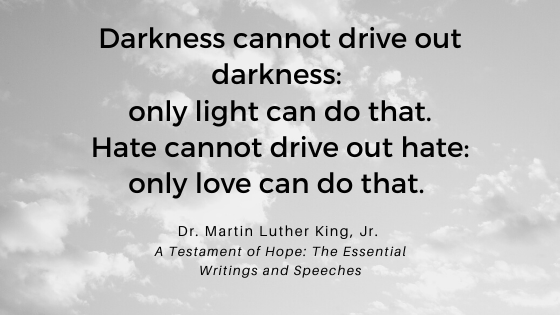
Before the March began, we bowed our heads in prayer, calling on a God of love to watch over the demonstration, to cover it in peace, and to enact change through the speech and actions of people present. The pastor leading the prayer reminded us of the powerful words of Dr. Martin Luther King Jr, Civil Rights Activist:

After the prayer, a few hundred people of various colors, ages, and backgrounds walked in solidarity along Main Street, in the company of uniformed police officers. The atmosphere reminded me of running a race, with everyone encouraging each other to strive toward a common goal. There were even people handing out water bottles and Gatorade!

The March was organized by an 18 year old African-American girl who wanted bring awareness to our town. She led the crowd up Main St with a bull horn in her hand, shouting George Floyd’s name and leading us in chants demanding change, like, “No justice, no peace.” and “Hands up, don’t shoot.” Her voice sometimes cracked with emotion and effort, and I was humbled and inspired by the stamina of this young woman, not only for her physical ability to shout continually during our 20 minute walk, but for the mental strength required to organize such an event in a small, predominately white town, and to carry it through with grace and poise. She demonstrated the good that is possible when people come together in light and love to overcome darkness and hate.

The event was covered by local media and found its way onto Facebook. While the overall tone of comments was positive, some people noted the lack of social distancing. Others asked if this gathering was allowed, why couldn’t churches start meeting again? Or why, if people could collect for this demonstration, couldn’t high schools hold regular graduation services? While these are valid questions, I hope they don’t detract from the message of the March.

We can be the light, and we can create change.

What are you doing today to help make change? How have you been inspired this tumultuous week?

Thanks for getting thoughtful with me,