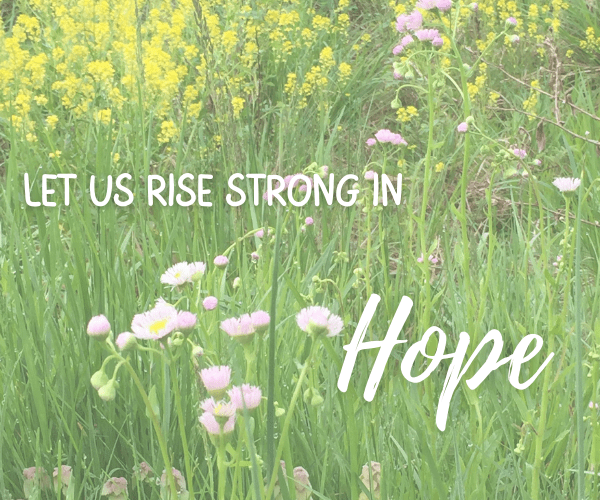
I’ve shared this poem before, but I love it so much, and desperately need it in these days of war reports and bitter divisions and struggles endured by family and friends. As the crocuses and daffodils bravely stretch out of the soil, let us also rise strong in hope.
Hope is the thing with feathers
Hope is the thing with feathers That perches in the soul, And sings the tune without the words, And never stops at all,
And sweetest in the gale is heard; And sore must be the storm That could abash the little bird That kept so many warm.
I’ve heard it in the chillest land, And on the strangest sea; Yet, never, in extremity, It asked a crumb of me.
Emily Dickinson
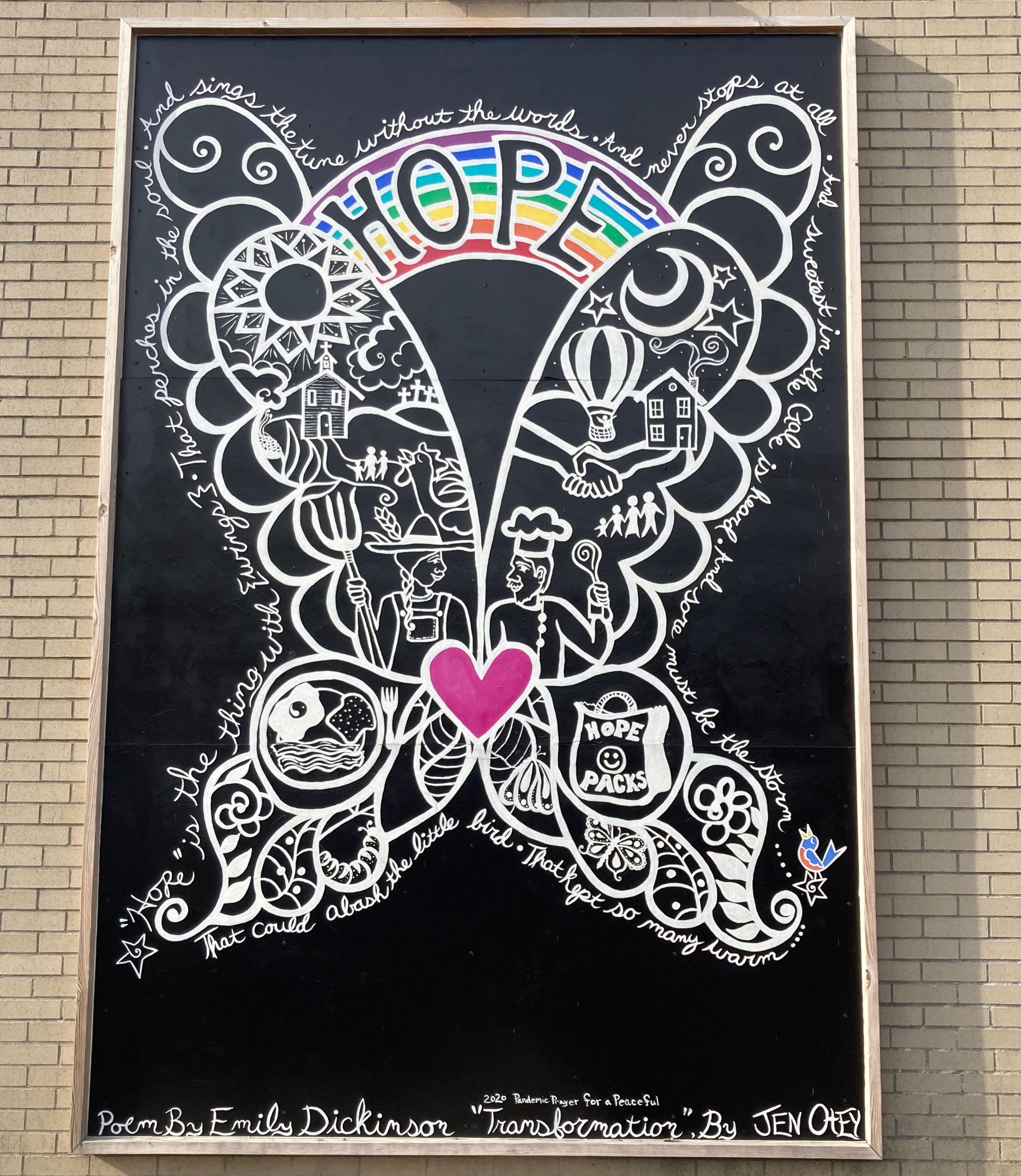
My friend Jen Otey, an artist and teacher, used Dickinson’s poem into a beautiful mural that now hangs outside of our local “Pay what you can” food cafe. The cafe offers lunch every weekday and customers can either pay what they can or volunteer in exchange for the meal. They work with local farmers and gardeners to use locally produced food. It’s a project of HOPE Ministries, an organization dedicated to Helping Overcome Poverty’s Existence. A grand example of HOPE in action.
Please note the blue bird in the bottom right corner.
What are some examples of HOPE in action that you can share to make us smile?
As Vladimir Putin drops bombs on major cities and military installations in Ukraine, we are once again hearing lots of loaded political words, like authoritarian, totalitarian, and oligarchy. This Word Nerd is concerned we might freely throw around these descriptors with a vague sense of their meaning, but without true understanding. So as tanks roll in to Eastern Ukraine, let’s take a look at a couple of words often used to describe Russia and its current president, Vladimir Putin.
Authoritarian
According to Britannica, authoritarian comes from the Latin root auctoritat, auctoritas, meaning opinion, decision, power. Authoritarian governments promote a blind submission to authority instead of individual freedom and choice. Such governments put power in the hands of one leader or a small elite who do not have their responsibilities outlined in a constitution or similar governing document.
Usually, authoritarian rulers exercise their power arbitrarily and the people they rule have no viable means of replacing them by fair elections. There is little to no power to create political opposition parties or organizations. Many scholars point to the military dictatorships of Latin America in the 20th century as good examples of authoritarian governments.
Authoritarianism could be considered the opposite of a democracy. It is often compared with totalitarianism, except there are a few key differences.
Totalitarianism
Totalitarianism was first used in the 1920s by Italian dictator Benito Mussolini to describe Italy as “all within the state, none outside the state, none against the state.” By the start of World War II, totalitarianism was associated with an oppressive single party government. Unlike authoritarianism, totalitarian regimes usually have a guiding ideology as well as the power to mobilize the entire population for a national goal. Think of Stalin’s Soviet Union or Germany under Adolf Hitler and the Nazis. (Thanks again, Britannica.)
Oligarchy
According to etymonline, an oligarchy is “a form of government in which supreme power is vested in a small exclusive class.” It comes from French oligarchie (14c.), from the Latinized form of Greek oligarkhia “government by the few,” from stem of oligos “few, small, little” (a word of uncertain origin) + -arkhia, from arkhein “to rule.” Merriam-Webster says that oligarchy carries the implication of corruption as well.
Muddy terms
Of course it’s hard to use just one word or term to describe something as complicated as a country and its government. Consider the May 2021 article “Russia’s Adaptive Authoritarianism” from Newlines Institute for Strategy and Policy. It says, among other things, that Russia isn’t a simple totalitarian regime. Putin is head of state, but he coordinates the desires of interest groups and elites. And the elite “doesn’t simply rule through blunt authoritarianism but has instead established a more nuanced, tightly controlled system of “managed democracy” that plays an important role in establishing legitimacy for the elite. This system effectively shares the trappings of both democracy and dictatorship.”
Yikes. Nuanced systems, managed democracy, and the active combining of democracy and dictatorship? This is exactly why we need to understand the terms we use and pay attention to the people in power.
I am by no means an expert in political science. I am just a concerned citizen trying to get a handle on world events and the best way to describe them. If you can add further clarification to the terms authoritarian, totalitarian, or oligarchy, please do so in the comments!
What political terms are you pondering these days?
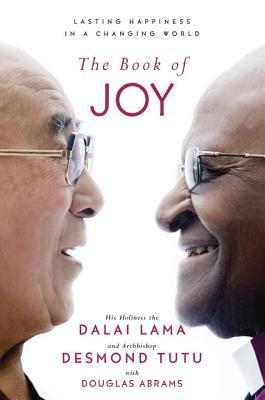
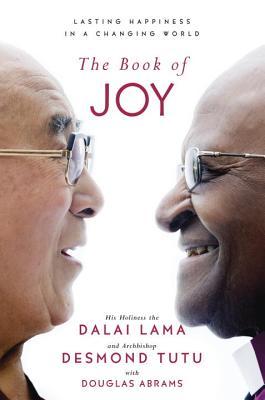
I’m desperately trying to figure out how to bring more happiness into this world. I’m looking everywhere- the Bible, Buddhism, Kelly Corrigan, Reasons to Be Cheerful, and books, including The Book of Joy: Lasting Happiness in a Changing World. This wonderful book is a collection of interviews between two spiritual giants, the current Dalai Lama, a Buddhist in exile from Tibet, and Archbishop Desmond Tutu, a Christian from South Africa. Both men have insightful things to say about happiness, suffering, loss, and what we need to do to get along better. I highly recommend. It’s not religious, it’s spiritual, and a much needed read at this time.
Regarding happiness, the Dalai Lama and the Archbishop agree we need to think less about ourselves and spend more time thinking about others. The Dalai Lama says:
The only thing that will bring happiness is affection and warmheartedness… We are social animals, and cooperation is necessary for our survival, but cooperation is entirely based on trust. When there is trust, people are brought together– whole nations are brought together. When you have a more compassionate mind and cultivate warmheartedness, the whole atmosphere around you becomes more positive and friendlier… With too much self-focus your vision becomes narrow, and with this even a small problem appears out of proportion and unbearable.
The Dalai Lama, The Book of Joy by Douglas Abrams
I feel like, at least in America, we are definitely thinking about ourselves A LOT. My social media posts, my freedoms, my rights, my sacrifices. Concern for others often falls low on the collective priority list. No wonder we are currently flooded with anxiety, anger, and distrust.
The etymology of kindness
The Dalai Lama is definitely onto something, especially when we look at the etymology of kindness. According to the Online Etymology Dictionary, kindness derives from the Old English word kyndnes which meant “nation,” also “produce, an increase.” It also has roots in the word kin, as in one’s family, race or relations, as in “friendly, deliberately doing good to others,” from Middle English kinde, from Old English (ge)cynde “natural, native, innate,” originally “with the feeling of relatives for each other.” By the 13th century, kindness came to mean “courtesy, noble deeds, kind feelings, and the quality or habit of being kind”.
Do you notice what I do here? The word kindness is rooted in our relationships with others (feeling of relatives for each other) and our nation. Happiness cannot be achieved by focusing merely on me. We need more we, less me. We will all enjoy more happiness when we all do a better job of thinking of the collective we, of embracing kind feelings, and exhibiting kind habits.
How do you see kindness around you, and what do you do to share it?
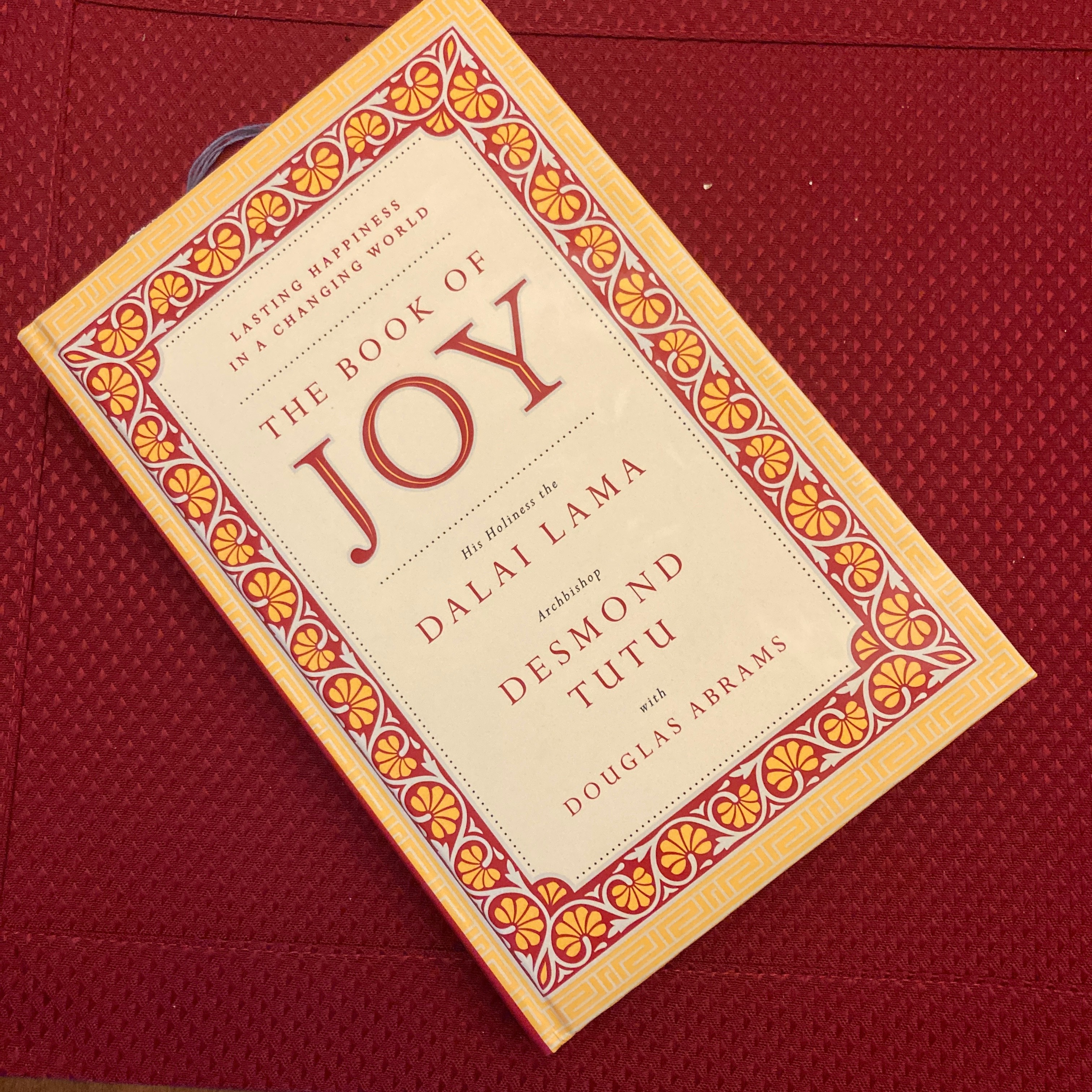
Honestly, I like the cover underneath the sleeve even better than the sleeve!
And please consider getting a copy of The Book of Joy. My friend Lynne says the audio book is done very well.
Yesterday, a guy flicked me off while I was driving home from my son’s high school. I was at a stop sign, at the end of a road that intersects at an odd angle with another curvy rural back road. While waiting for an oncoming truck to pass, I started to edge forward into the intersection. The truck approaching the intersection swerved a bit before passing by in front of me. As the truck drove through the intersection, its driver gave me a clear view of his middle finger.
“Well, that was unnecessary,” I said. Normal me would have had much more to say to the back end of that truck as it left the intersection. But lately, I’ve been re-evaluating normal me. Three things have caused some serious reflection lately.
First, it was a sermon from Dr. Scott Dudley, pastor at BelPres Church. Dudley said, “These days, Christians are just another special interest group, and they are angry like everyone else.” Ouch. That stuck with me. My faith shouldn’t just put me in a special interest category. It should influence the way I live. And anger is not a tenet of the Christian faith.
Tempering one’s anger or frustration matters. Each time we interact- by phone, by video, through a plastic screen or mask- the tone and tenor of our words and requests make a difference in the energy circulating throughout this country.
Megan
Wow. Isn’t that beautiful? Megan’s comment resonated with me and now is in the back of my mind every day as I shop for groceries and visit the post office. And as I respond to a man in a truck who flicks me off on Petunia Road.
Finally, I am currently reading The Book of Joy: Lasting Happiness in a Changing World. It’s a collection of conversations between two spiritual giants- the current Dalai Lama and the late Archbishop Desmond Tutu. These men have much to say on finding joy, living compassion, and managing adversity. All with immense peace, grace, and humility. They point out that anger usually stems from fear or pain or both, and that we could ease conflict in the world by remembering that more often. They believe we all need to do a better job of seeing the world from multiple perspectives and to think less of ourselves and more of the collective community.
What are ways that you‘ve seen orheard to create more kindness and less anger?
Wishing you a very happy weekend and more grace, humility, and kindness.
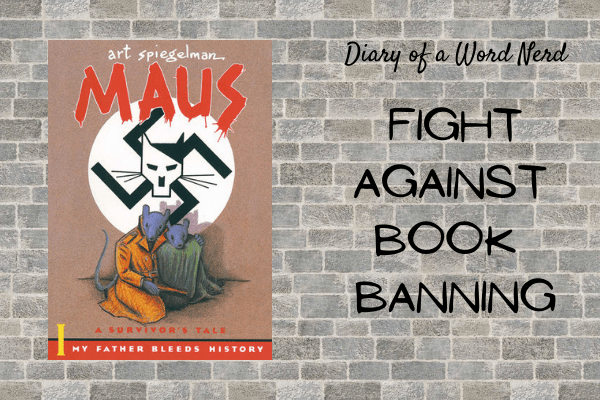
There’s a trend sweeping across our country: banning books. Of course, challenging books is nothing new. You can visit the American Library Association (ALA) website and find titles of books that have been banned or challenged over the years. However, in 2021, books were challenged at a rate not seen for decades.
ALA executive director Deborah Caldwell-Stone told The Guardian, “It’s a volume of challenges I’ve never seen in my time at the ALA – the last 20 years.” The Guardian reported that the ALA thinks viral posts on social media and conservative organizations are encouraging groups to get books removed from libraries, especially books dealing with LBGTQ issues or themes of racism.
This trend is concerning, but last week, a comic book store in Knoxville, TN fought back. (Shout out to my sister in law Julie for sharing this with me!)
A fight against book banning
Recently, the McMinn County School District in Tennessee banned the graphic novel Maus by Art Spiegleman because it contained strong language and graphic depictions of the Holocaust. In response, Nirvana Comics in Knoxville pledged to give a free copy to any student who wants to learn more about the Holocaust. As of January 31, 2022 the store had raised over $83, 000 for this project.
I understand explicit material might concern parents, but most books present that material in a deeper context that provides insight and information relevant to students. Through difficult but important books like The Kite Runner,The Bluest Eye, and Maus, students can learn about, and importantly, understand more about, historical events. They can also gain better appreciation for people from different backgrounds and cultures.
I’m a Word Nerd and a book lover, and my children have ready access to books in our home on everything from racism to Russian history to the Civil War. However, not every child has books so readily available. Schools are often the best place for students to explore, question, and broaden their understanding of the world. We should not limit education.
There are two interesting ironies here. First, the Nazis notoriously used their power to suppress independent thought by banning and burning books. Is that what we want to imitate in 21st century America? Second, the same groups that are staunchly defending their freedom to bear arms and not wear masks are the often the same ones demanding that students and parents NOT have the freedom to choose books for themselves.
It doesn’t sit right with me. And thankfully, it doesn’t sit right with Nirvana Comics. And they are doing something about it.
What ways have you seen books stories, schools, or communities fighting back against book banning?
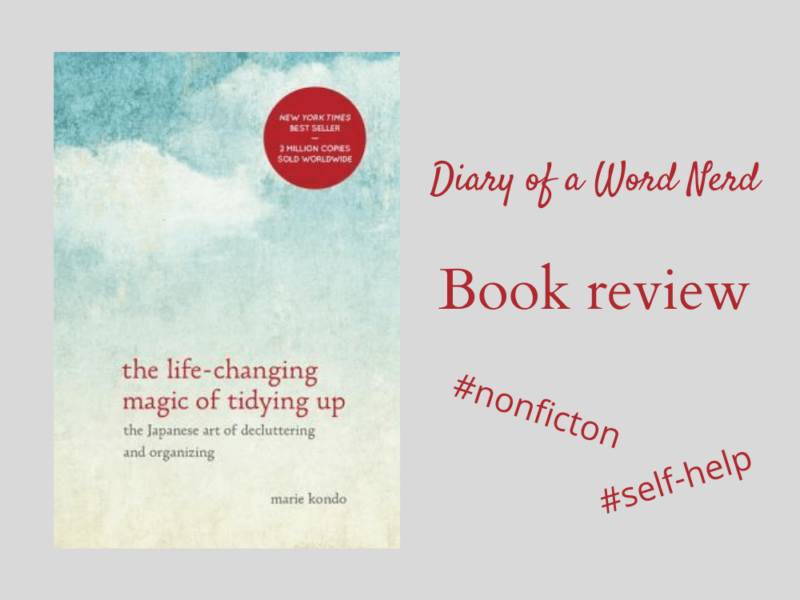
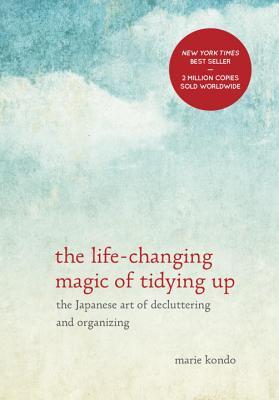
I love putting away holiday decorations each January and cleaning up my house. The beginning of a new year always feels like a fresh start, a time to clean out what encumbers to get on with new goals and endeavors. I always use January to thin out my files, de-clutter my counters, and get rid of the clothes I know I won’t wear. And this year, I’ve got extra motivation: The Life-Saving Magic of Tidying Up by Marie Kondo.
Tidying Up was published in 2014, but I didn’t pick it up until last spring after spending several weeks cleaning out my father’s cluttered house. The experience was difficult and eye opening. I found a box in my father’s study I’m sure he brought home from his last day at work with a government contractor in the late 1980s and never cleaned out. I also found Christmas napkins that screamed 1978 and too many expired jars of food in his pantry. The energy required to sort through his detritus of 45 years gave me the motivation to get a handle on my STUFF.
We’ve been living in our current home for over ten years, and the with four kids and three dogs, the STUFF has accumulated. And so, since child number one launches to his own home and career next month, and child number three prepares to head off to college this summer, I consulted Marie Kondo for some serious help with organization and minimization. She did not disappoint.
The premise
Kondo has a successful business in Tokyo helping people de-clutter their homes, and she built that business on a method she calls the KonMari method. It demands serious full scale commitment, evaluating items in the home by category and removing anything that doesn’t spark joy. Kondo believes instead of working room by room or little by little, or just finding a better way to organize and store things, people need to figure out what they truly need and junk the rest. Well, almost everything. (We can’t pitch tax paperwork after all.) I haven’t used her method fully, but I have gone through all of my clothes (from all places and closets in my house), and I’m already feeling better about the space I now have after giving many unwanted clothes away.
What I liked
Kondo blends a very precise, detailed method with consideration for wellness/ mental health / spiritual awareness. This, along with the “do it all at once” philosophy, separates it from other approaches to organization. For example, regarding clothes, Kondo says you must take everything out of your closet, actually touch each item of clothing, and see how it makes you feel. If it doesn’t immediately spark joy, you should get rid of it.
When I first told husband about clothes sparking joy, he scoffed. “Clothes can’t make you happy,” he said. However, a few weeks later, when he discovered his new favorite pants from an online retailer, and proceeded to wear the pants often and buy another pair in a different color, he admitted, “Okay, maybe they can spark joy.”
Kondo suggests setting up your closets and drawers so the arrangement of colors and fabrics pleases the eye, and so that you can see everything at once. (Nothing should be buried in piles). She also places emphasis on gratitude for your belongings. While thanking your purse for the service it did for you and cleaning it out at the end of each day is a bit over the top for me, I think Kondo’s focus on appreciating the things you have could lead to more contentment and less materialism.
I also liked Kondo’s method because it involves not just organizing and labeling, but truly downsizing. It’s not about finding better ways to store everything you have but figuring out what you really need and getting rid of the rest. This kind of minimalism appeals to me because clutter and disorganization give me anxiety.
What I didn’t like
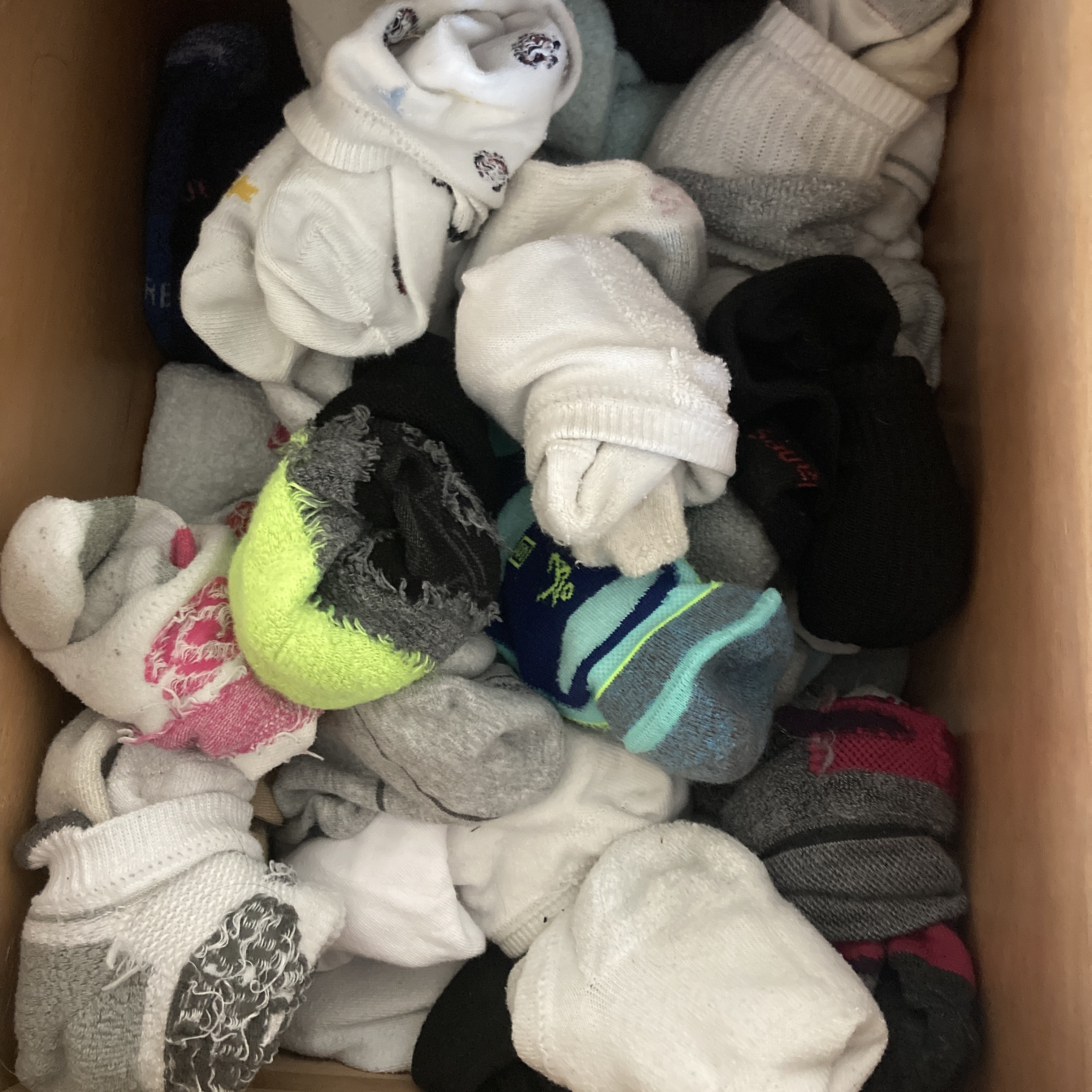
Look at how happy and colorful these socks look, even balled up. 🙂
Some things in The Life Saving Magic of Tidying Up didn’t sit right with me. For example, Kondo argues that balling up socks in a drawer is not the right way to treat socks. They serve an important purpose each day – providing feet comfort – and shouldn’t be stored stretched out of shape. However, I always have balled socks so that they stay together in pairs. Loose socks flying around the drawer drive me crazy.
Kondo also advocates storing all paperwork in one place (e.g. one file) (?!?) because you really don’t need a lot of it anyway. I must say, I was very grateful my father had a clearly identified and organized files for his paperwork. It helped immensely with paying bills and closing accounts. I’m a big fan of filing, so I will overlook that bit of KonMari magic.
Recommendation
In The Life Saving Magic of Tidying Up, Marie Kondo offers an insightful and unique approach to to cleaning out your home, and I recommend it. I enjoyed her suggestions for a spiritual approach and a structured framework for clearing out things you don’t need. While I must admit, I’ve only tackled my clothes, I plan to use the KonMari method as I clean out the rest of my house.
Have you read The Life Saving Magic of Tidying Up? What parts of KonMari did you find helpful or not so helpful? Can you recommend any other books to help with tidying?