
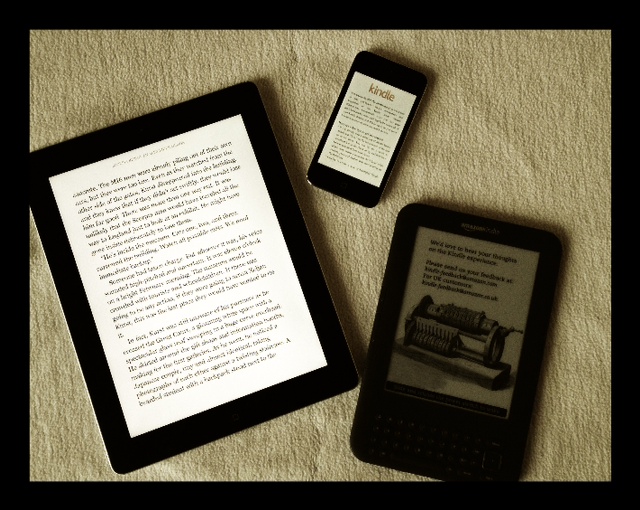
 Last year I bought my husband, a very non-English major type, a Kindle. He hardly ever read before that. Television used to be his entertainment of choice before bed.
Now, guess what? He reads every night before turning out the light. “Has to” so he can sleep. Of course, lately he’s been reading a borrowed set of Game of Thrones books not on his Kindle. But he’s reading.
And he’s got the Kindle app on his iPhone, so he can pull up an e-book anytime, anywhere. Like when he’s stuck waiting for soccer practice to finish.
I love that he’s reading more. But is he the norm? Or the exception?
According to study results posted by the Pew Internet and American Life Project in April of 2012, Americans are reading more with e-readers. Since you probably don’t have time to read the full report, let me sum up:
- people who used e-readers read more books in all formats (print, e-book, etc)
- 43% of those who used e-readers reported spending more time reading, especially men under age 50 (Ah ha! See note above about husband, who fits this demographic!)
- E-reader device owners were more likely to buy books, particularly e books (Good news for the industry, bad news for bookstores.)
- Readers preferred e-reading devices for convenience, but they liked printed books for reading to kids and sharing with others.
It looks like many Americans, and not just my hubby, are spending more time reading because of e readers. Yay!
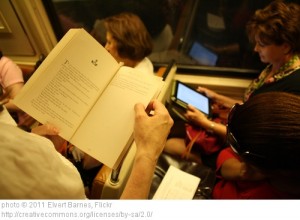
Now think about this. Amy Gahran, in a CNN article on the Pew Research made an interesting suggestion: e readers will ultimately make books more accessible to all Americans.
Huh? I’ve always worried about e readers preventing the poor or the disabled from having access to books.
But Ms. Gahran pointed out that e readers keep getting cheaper. They also allow users to change fonts (think enlarge) and utilize text to speech functions. E readers can break down the barriers of vision impairment, age, and illiteracy.
Pretty cool.
I saw a funny graphic on Facebook this morning- it said we’re going to have to come up with a new phrase for fast paced books. “A page turner” may soon sound archaic!
Do you think e readers will ultimately promote more literacy in our society?
How about kids and e -readers- do you think they read more because they can use the little electronic devices permanently attached to their hands?
I can’t wait to hear your thoughts! Thanks for stopping by, and happy reading!
Julia

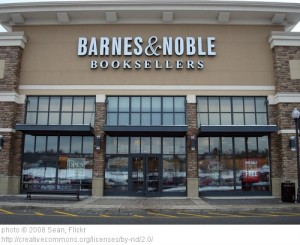 While running on the dreadmill earlier this week (no, that’s not a typo- it was eight degrees outside and the d-mill was my only option), I heard an interesting piece of news: Barnes and Noble will close about a third of its brick and mortar bookstores over the next decade.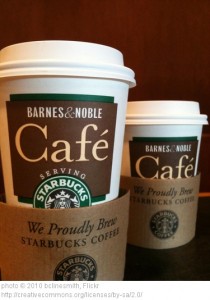
 reputation for terseness of speech: using or involving the use of a minimum of words; concise to the point of seeming rude
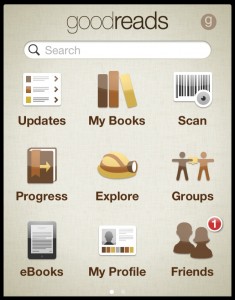
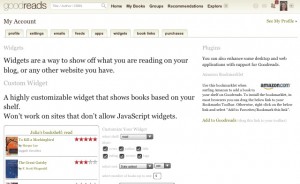
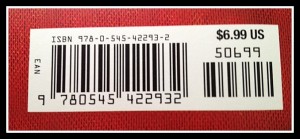 phone screen. Line up the ISBN code from the back of any book within the window. The phone will focus and an official sounding BEEP will tell you that the code has been successfully scanned. The title, author, and average rating for the book will appear on your phone.
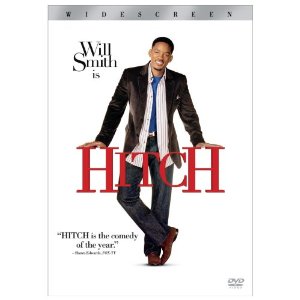 Now, please also recall the scene from Hitch when Hitch convinces his hapless friend Albert to practice the right approach to a goodnight kiss. Hitch says,