

Vocabulary from the Papal Conclave: Murmuratio

wondrous memeWelcome to Wondrous Words Wednesday, a meme hosted by Kathy at bermudaonion.net.  Join us each week to learn some great new words!

Today we’re going to see how one word can take us from the Pope to starlings.  Don’t see how?  Follow me!

In a report on the Papal Conclave, a journalist used an interesting Latin word to describe the informal, private conversations between the Cardinals as they prepare to vote for a new pope: mumuratio.

This word is the basis for the English word murmuration, which has two very different meanings.  I couldn’t find the word in Webster’s, so I consulted Dictionary.com:

murmuration \mur-muh-ra-shun\ noun, from Latin murmuratio; 

  1. a low, continuous sound; an act or instance of murmuring
  2. the movement of a flock of starlings, believed to help with self-defense

Yes, when a large flock of starlings in the sky moves in undulating formation, it’s called a murmuration.  Watch this video of murmuration from YouTube.

Murmuration

Word Nerd Workout

Try to think of a setting where you might hear murmuration- a constant, low babble of voices.  Then share a sentence about it.  For example,

The murmuration of his fellow classmates intimidated Stuart as he climbed the steps to the stage and prepared to give his speech.

Thanks for playing!

Julia

P.S.  If anyone can give me some technical assistance on how to actually embed the video into this post, I would greatly appreciate it! 🙂
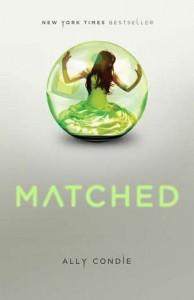
More on Dystopian Literature: Matched by Ally Condie

MatchedDystopian fiction gets a lot of attention these days, and yet, I’m still not sure people understand what it’s all about.

Several months ago, I wrote a post called What Does Dystopian Mean Anyway?  In it, I tried to clarify the genre.  Main points:

  • dystopian fiction is usually set in a society with at least one horrible, inherent flaw
  • dystopian fiction usually includes themes that explore the role of government, or the best rules for society, or the power of technology in our lives

If you’re ready to explore dystopian fiction, the Matched trilogy might be a safe place to start.

The premise

Matched opens with Cassia heading to her Matching Banquet, where she will learn who her husband will be.  In Cassia’s society, the government chooses what you wear, what you eat, who you will marry, and when you will die.  All in the name of efficiency and fairness.

But Cassia’s perfectly organized world gets rocked when she sees the image for one, and then a second young man on the screen at the matching ceremony.  The Society doesn’t make mistakes, but why does she have two matches?

Should you read it?

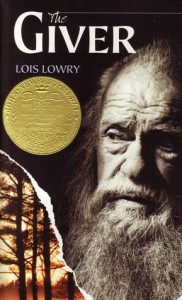
Matched often gets criticized as being a rip off of The Giver, by Lois Lowry.  Admittedly, theThe Giver cover two books have a lot in common:

  • a “perfect” world controlled by the government
  • a hidden history- in both books, we never learn how or why the society came about, and the people of the society have limited access to the past
  • the members of both societies take pills to suppress emotions
  • the protagonist slowly realizes that the society isn’t as wonderful as it seems and takes action to change it

Another complaint I often see, and agree with, is that Matched is kinda boring and bland compared to more exciting dystopian books like The Hunger Games or The Maze Runner.  The romance is tepid, and no violence livens up the plot.

Finally, Cassia is a quiet lead in Matched.  She doesn’t wield a bow and arrow or show any extraordinary talent.  But she does see the problems in her society, and she’s willing to risk change.

Matched, like The Giver, could be a great book to introduce the dystopian genre to younger readers, like my 11-year-old daughter.  It brings up great questions for discussion, like:

  • Which is more important, the society or the individual? 
  • How would life in our country be better if we had stringent rules to keep it running efficiently?  How would it be worse?
  • What would you do if you were in Cassia’s shoes?  How would you try to change things?   

The greatest value of dystopian literature is that it explores difficult issues from a safe distance.  It encourages readers to ask, “What if?” and seriously evaluate the consequences.

Matched isn’t bad, it’s just tame.  Which is fine for my 11-year-old.

Next week, I’ll post about a much less tame dystopian novel, The Maze Runner, which I encouraged my 12-year-old son to read.  Before I knew about the cannibalism and the monsters.  Yikes!

Have you read Matched or the other books in the trilogy?  What did you think?  What other dystopian novels have you enjoyed?

Thanks for stopping by!

Vocabulary from A Good American: Pugilistic

Wondrous Words Wednesday

wondrous memeWelcome to Wondrous Words Wednesday, a meme hosted by Kathy at bermudaonion.net.  Join us as we share new vocabulary from our reading.  Last week I learned a great word from Kathy: shambolic.  But I haven’t used that one in daily conversation yet.  Must fix that!

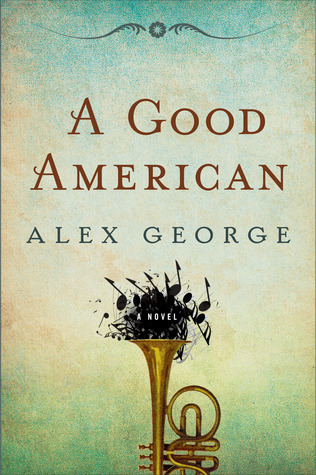
This week, I’m sharing another word from A Good Americana novel that explores, from an immigrant’s perspective, what it means to be a good American.  Here’s the excerpt.  Setting: a prize-fight:


“The man moved to the center of the ring and stretched his arms out toward the corners where the two fighters stood.  ‘Tonight we witness the glorious pugilistic traditions of these United States of America…'”

When I looked in Websters, I expected to find something about bravery or patriotism.  I did not.

pugilistic \,pyü-jə-‘lis-tik\adj, from Latin pugil boxer, akin to pugnus fist; having to do with boxing

That’s it.  Pugilism = Boxing.  And pardon me, but I hardly find it a glorious tradition.

You get it?  Pug?
You get it? Pug?

Word Nerd Workout

Share another book that somehow includes pugilistic themes.  I can think of a lot of movies, but books?  Enlighten me.

Thanks so much for stopping by!

Julia 


Another Suggestion for Reluctant Readers: Sports Illustrated Kids

Reading
I’m reading “Artemis Begins”. They liked it!

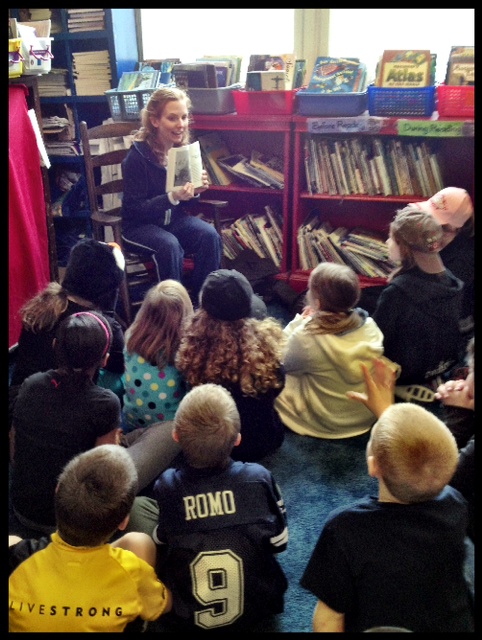
Obviously, I love to read.  And I want everyone else to love it too.  Here I am, at my son’s school on “Fit for Reading Day”, hoping to hook his classmates with Eoin Colfer’s wit and humor.

It worked.  While I read Colfer’s humorous short story, the kids, and their teacher, snickered and giggled at all the right spots.  When I finished, I told the kids about Artemis Fowl, the evil kid genius who plots to get rich by stealing gold from fairies.  One smiling boy said, “My sister has those books.  I think I’ll borrow them.”

Mission accomplished.


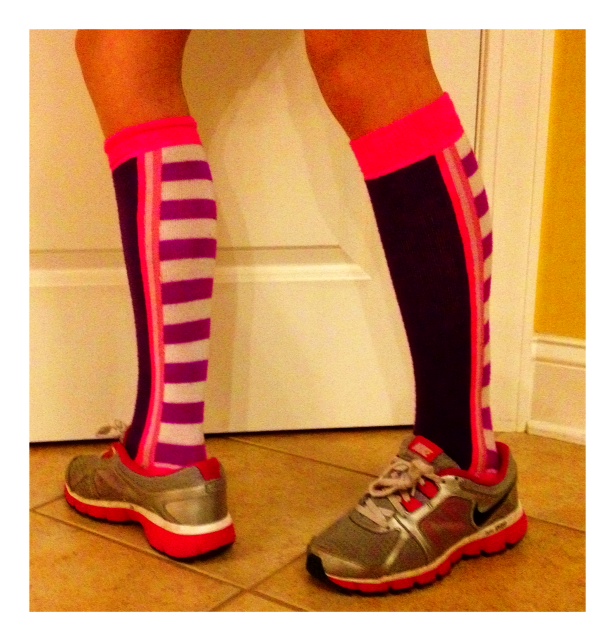
The school hosted reading activities all week to celebrate Read Across America day on March 1.  My daughter even wore these crazy socks, with shorts, in 30 degree weather, on Wacky Wednesday.

Wacky Socks

But wit, humor, and wackiness don’t always work.  Some kids cringe at books.  Often boys do, especially tweens and teens.  Maybe they’d rather play video games or toss a football.

That’s okay.  Reading doesn’t have to involve books.   How about sports?

Many guys (of any age) I know can’t remember to pick up dirty laundry, but they can cite every stat from Tom Brady’s career with the Patriots.  So why not capitalize on that interest?

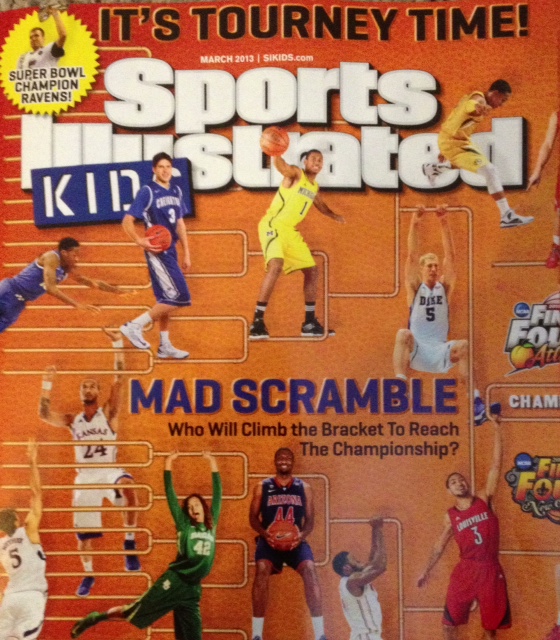
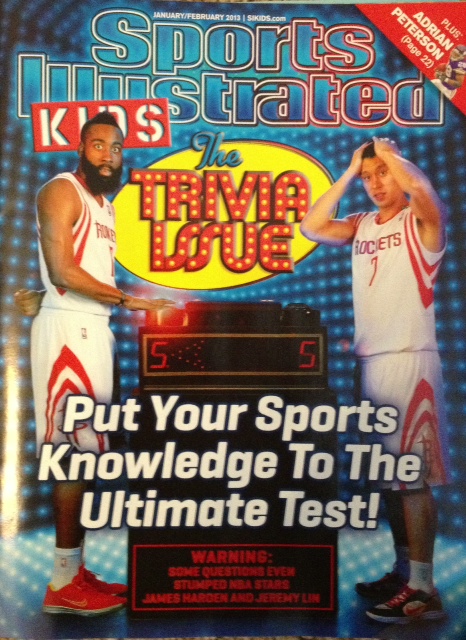
SI Kids 1The mailman delivers Sports Illustrated Kids to our house every month.   And the pages get worn out quickly.  Why?

  • lots of eye grabbing color photos 
  • short bits of copy instead of long, intimidating paragraphs
  • monthly features like “Freeze Frame” (cool sports pics), “Sports Gamer”, “Tips from the Pros”, and “What’s the Call?” to engage sports fans

The March 2013 issue has tons of stories about March Madness, aka the NCAA Basketball Tournament for those of you non-sports types.  I especially like a feature on Aaron Craft, the point guard from Ohio State.  Sure, the easy-to-read article comments on his skill with defense etc, etc, but what caught my eye was the blue side bar listing “Aaron’s Favorite Stuff.”

Guess what Aaron’s favorite hobby is?

Reading!

I love role models  (yes, Charles Barkley, athletes are role models) who love reading!

I’ll be cheering for you Aaron Craft!

Please note that girls like sports too.  I’m one of them.  SI Kids does a great job of coveringSI Kids 2 female athletes.

So the next time you need to get a gift for the not so enthusiastic reader in your life (of any gender or age), get him or her a few magazines, and see if they start reading.

And if they like sports, by all means give ’em SI Kids.

For other ideas on encouraging boys to read, visit GuysRead.com and see my post on Helping Guys Read.

What are some silly things you have done to encourage someone you know to read?  Can you recommend any other magazines?

Thanks for stopping by!

Julia

Vocabulary from A Good American: Rapacious

Wondrous Words Wednesday

wondrous memeWelcome to Wondrous Words Wednesday, hosted by Kathy at bermudaonion.net.  Every week, several word nerds and I get together to share new and/or interesting words from our reading or everyday life.  Come learn with us!

Today I’m highlighting another great word from The Good American, by Alex George, an epic story that begins at the turn of the 20th century with two German lovers who flee to America to pursue their dreams.  Here’s the context:


…with that humiliation came a new, unfamiliar suspicion of those around him- now he saw a rapacious glint in the eye of every native, an unscrupulous trick lurking up every foreign sleeve.

rapacious \rə-‘pā-shəs\ adj, from Latin rapere to seize; excessively grasping or covetous; GoodAmerican.inddravenous

I’m thinking wanting, with a predatory and sinister overtone.

Word Nerd Workout

Think of a character that you could describe as rapacious.  And if you’re really feeling smart today, give a synonym for rapacious too!

For example,

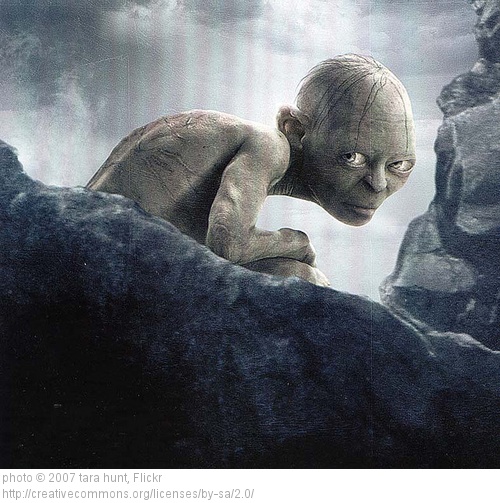
Gollum watched the ring around Frodo’s neck with rapacious eyes.Gollum

Other word nerdy words

Click on the words below to learn new vocabulary.

Thanks for stopping by!

Julia 

Doctors Prescribe Books to Help Their Patients!

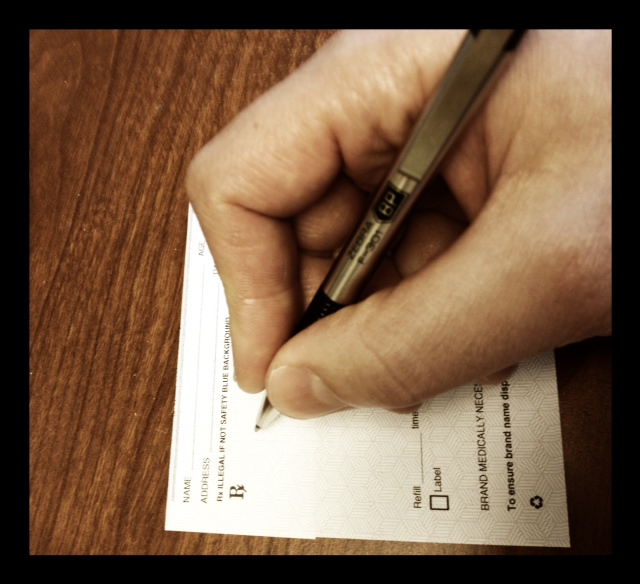
PrescriptionsA New Treatment Strategy in England

I’ve always believed in the power of books, and if you’re here reading, you probably do too.  We’re not alone.  Doctors in England will soon be “prescribing” books to their patients to treat mild to moderate mental illness!

According to a recent article in the The Guardiana British charity called The Reading Agency has developed a plan to link doctors, libraries, and books.  The program targets people who have mild to moderate problems with :

  • depression
  • anxiety
  • anger
  • eating disorders
  • panic attacks
  • phobias
  • self-esteem
  • worry
  • obsessions and compulsions

Organizers argue that with the plethora of self-help titles out there (Amazon sells over 250,000), it’s hard to find the right one.  Doctors will get a list of thirty books, including The Feeling Good Handbook and How to Stop Worrying, that they can recommend to patients.

Similar programs already exist in Wales, Denmark, and New Zealand.

Could bibliotherapy work in America?

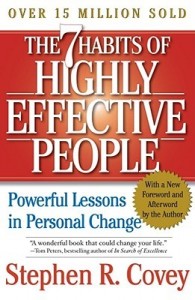
I’m all about self-help, and have read many such books.  My favorites: The Seven Habits of The Seven Habits of HighlyHighly Effective People, Simple Abundance, and Unglued.  I avoid taking medication, a habit I have picked up from my husband, a physician. Ironic, I know, but he’s seen first hand that every medicine has a side effect.  (Note, that new Jude Law movie takes this notion to the extreme).

So I applaud The Reading Agency, and think we should try a similar program here too.  It could decrease health care costs and get everyone reading more.  As a bonus, it could give libraries a crucial new role in society, thereby securing a necessary position in a world where printed media seems to be disappearing.

But a lot of Americans like quick fixes.  They want their problems solved with a pill.  Or better yet, a chocolate shake.  (Think Slim Fast)  What would happen to the doctor who suggested a book to his anxious patient seeking “a nerve pill”?  My guess?  That patient would walk out the door and find the next doctor willing to write a script for Xanax.

And of course The Guardian article, The Reading Agency, and I acknowledge that some patients need more than just a book for treatment.  But wouldn’t it be nice if reading could help lots of people?

How do you think a program like this would be received in America?  What self-help books have been beneficial to you?

Share your thoughts in the comments, and thanks for stopping by.

You can receive regular updates from my blog by signing up in the top right corner to receive posts via e-mail or RSS feed.

Julia