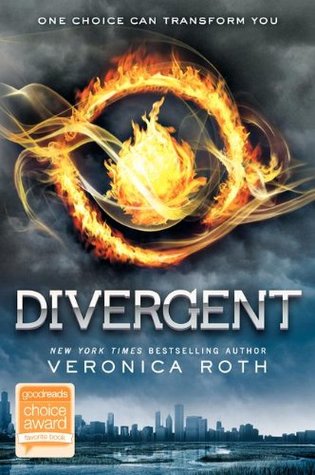
 Last week I shared my formula for what makes a great character. (Formula- yikes! I’ve spent too much time supervising science fair projects.)
Today, I’m pondering the importance of characters again.
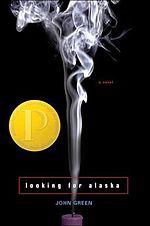
My idol, the YA author John Green, poses these questions at the back of his award-winning novel Looking for Alaska:
Do you like Alaska? Do you think it’s important to like the people you read about?
To question #1, I say “No!” I couldn’t stand Alaska. While complaining about the mistreatment of women, she used her body, adorned with tight tank tops, to string along the other main characters in the story (all 17-year-old boys, of course). I’ve known girls like her, which perhaps added to my ire.
To question #2, I proclaim an emphatic “YES!” I must like the characters to like the book. Perhaps Alaska is interesting, in a screwed up sort of way. But she’s also self-absorbed and unstable. I pick Hazel Grace over her any day, and, quite frankly, I’m glad Mr. Green wrote The Fault in Our Stars, or I wouldn’t like many of his female leads. (Margo Roth Spiegleman of Paper Towns also suffers from a severe case of self-absorption and attention seeking.)
Life is too brief, and my free time too limited, to bother spending hours with people I don’t like. That goes for the literary world as well as the real world.
Did I appreciate the value of Looking for Alaska? Indeed. Mr. Green masterfully tackles themes like suffering, mortality, and forgiveness. If you read any of his commentaries on his novels, you will appreciate exactly how much thought he puts into his work.
But I will never call Looking of Alaska one of my favorites. I couldn’t connect with it. And then there was the tube of toothpaste.
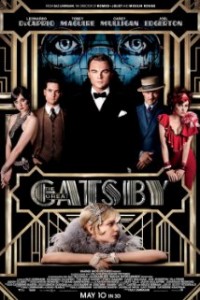 When the movie The Great Gatsby came out, I dragged my husband out to watch it. (I’ve loved Leo DiCaprio since What’s Eating Gilbert Grape, which was released before Titanic, btw.) But as the glittery story unfolded, I remembered, “Oh yeah, I don’t like any of the characters in this book.” I left the theater feeling empty, even though I’d consumed a half bucket of popcorn.
There are other award-winning and highly praised novels that I appreciate, but don’t like, because they don’t have a single character I enjoy. For example, Great Expectations, The Catcher in the Rye, and A Thousand Acres. The writing might be lovely, the themes sophisticated and relevant, but if a character doesn’t pull me in, the reading starts to feel like work.
How would you answer Mr. Green’s questions? Do you have to like the characters to like a book?
Thanks for adding to the discussion!
Julia


 Dare I say it? Spring is FINALLY here! (I’m afraid Mother Nature will drop a few more snow flakes now, just to scare me.)
 Visit Kathy at bermudaonion.net to learn more interesting words!