A beloved mom deserves something special for Mother’s Day. Give her a gift that will stimulate her brain and make her smile: a book, of course! But which one? I’ve invited some of my favorite blogging buddies to share micro-reviews of perfect books to give for Mother’s Day.
Lean In: Women, Work, and the Will to Lead by Sheryl Sandberg
Review by Amy Makechnie of Maisymak
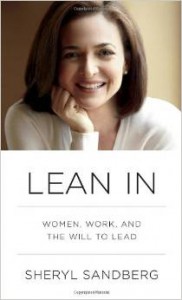 Have you heard? We’re not supposed to call girls “bossy” anymore. This idea comes from Lean In: Women, Work, and the Will to Lead by Sheryl Sandburg. Examining women’s progress in leadership, Lean In has great ideas like “sit at the table,” and “ask!” Sheryl is the COO for Facebook, a mother of two, and writes about her leaning in to education and careers instead backing away out of fear or the unknown future regarding children and marriage.
Strangely enough, I enjoyed this book immensely even though I am a stay-at-home mom and believe the best work women will ever do is within the walls of our own home. Lean In doesn’t exactly champion full-time motherhood, yet I felt more empowered to LEAN IN to my job as a full-time mother AND take opportunities to impact the greater world. Told in a personal, warm style, I found myself relating to, and greatly admiring the brilliant Sandberg.
P.S. Sometimes I still need to tell my girls to stop being bossy. Bossy is a gift 🙂
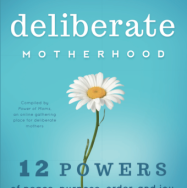
Deliberate Motherhood and Motherhood Realized from Power of Moms
Review by Amy Makechnie of Maisymak.
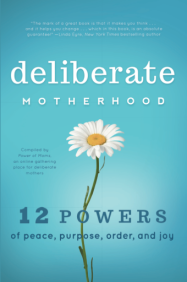 Power of Moms was created as a gathering place for deliberate mothers, and it’s not a site featuring the most amazing crafts you’ll never be able to make. Rather, the entire focus is on our potential as women doing “the hardest job we’ll ever love.” The first published book, Deliberate Motherhood, is authored by over 60 mothers who write about 12 core values such as joy, peace, and love. The follow-up book, Motherhood Realized is another fantastic compilation and features one of my favorite motherhood writers, Katrina Kenison. Great gifts for any woman, Motherhood Realized just hit #1 in Motherhood and #1 in Parenthood on Amazon. The best thing about reading both of these books? Peace and empowerment.
Suburban Haiku: Poetic Dispatches from Behind the Picket Fence by Peyton Price
Review by Dana Hemelt of Kiss My List
Suburban Haiku is Peyton Price’s take on suburban parenthood. On the outside, this book is adorable – perfect for an ottoman or coffee table. On the inside, the humor and wit had me giggling and nodding as I read it in one sitting. I could have written many of these haikus (because I can relate, not because I have poetic talent), but they will amuse any reader regardless of age, gender, or suburban-ness.
I interviewed Peyton about her book, completely in the form of haikus. Here’s a snippet:
 Me:
Me:
What inspires you
To write these little ditties
And why choose haikus?
Peyton:
People talk too much
about ridiculous things.
This is my revenge.
And one of my favorites from the book:
I do feel better
after those thirty crunches.
Chips are delicious.
-Suburban Haiku, page 25
The Mother of All Meltdowns by A Bunch of Hot Mamas Losing Their Cool
Review by Nicole Goodman of Work In Sweats Mama
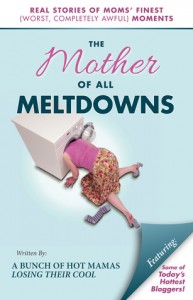 Hey mama. Are you carrying around a suitcase of mommy guilt in excess of the carry-on limit?
It’s time to lighten your load with hilarious, heartwarming, and heroic tales of motherhood from 30 mama bloggers and writers in The Mother of All Meltdowns. You’ll laugh until you cry. And maybe pee yourself a little bit.
But, more importantly, you’ll realize no mother is perfect, and pinterest-perfect moments pale in comparison to the silver linings found in every inevitable meltdown.
So, mamas, grandmamas, mamas-to-be, and everyone who knows a fabulous mama, grab a glass of wine, a bar of chocolate, or the biggest Fountain Coke on the planet and indulge in a little motherly mayhem.
Also, the Kindle version is only $0.99 through Mother’s Day!
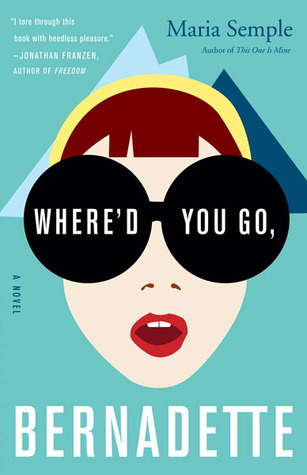
Where’d You Go, Bernadette by Maria Semple
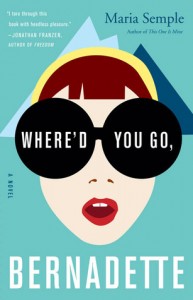 Review by The Word Nerd (me!)
When I read the first page of Where’d You Go, Bernadette, I burst out laughing, but Semple offers more than humor in this clever novel. Years ago, Bernadette Fox earned respect and admiration in world of architecture. But somewhere in the midst of marriage and motherhood, Bernadette has disappeared- literally and figuratively.
Her loving daughter Bee sets out to find her, collecting emails and letters as clues. (And making a large chunk of the book epistolary- or written in letters- a refreshing format.) Bernadette’s agoraphobia and wit give her the most unique and compelling voice I’ve read in awhile, and I missed her when she disappeared. A must read!
[Word Nerd Note: agoraphobia = abnormal fear of being helpless in an embarrassing or unescapable situation that leads to the avoidance of open or public places]
I hope this helps you find a great book to give (maybe even to yourself!)
Have you read any of these and do you have any books to add to my recommendations?
Thanks!
Julia
Tweetable: Mother’s Day gift ideas from the word nerd, @juliatomiak. Five great books to give!
 Welcome to Wondrous Words Wednesday, a weekly meme hosted by Kathy at Bermuda Onion. Visit Kathy’s blog for links to more word nerdy words.
 Here’s Nick again, speaking about his father’s Alzheimer’s: