Why do so many traditions revolve around food? Or is that just me? Birthday cake, birthday chocolate chip pancakes, cherry cheese pie at Thanksgiving, rum cake at Christmas. You can see why I love need to run. My traditions will shoot me up three sizes if I’m not careful.
Of all my foodie traditions, I cling to roll-out sugar cookies the tightest. Sure they’re yummy, but they also remind me of my Oma. As a child, I only had one living grandparent, my mother’s mother. I called her Oma since my father is Dutch and that’s the Dutch word for grandma.
I didn’t get to see Oma much while I was growing up. She lived in Wisconsin while we, because of my Dad’s career with the US Army, hit several locations in the US and finally settled in Virginia. However, she came to visit every Christmas, and her presence, along with her off key singing of “It’s beginning to look a lot like Christmas,” signaled the holiday.
Christmas 2012
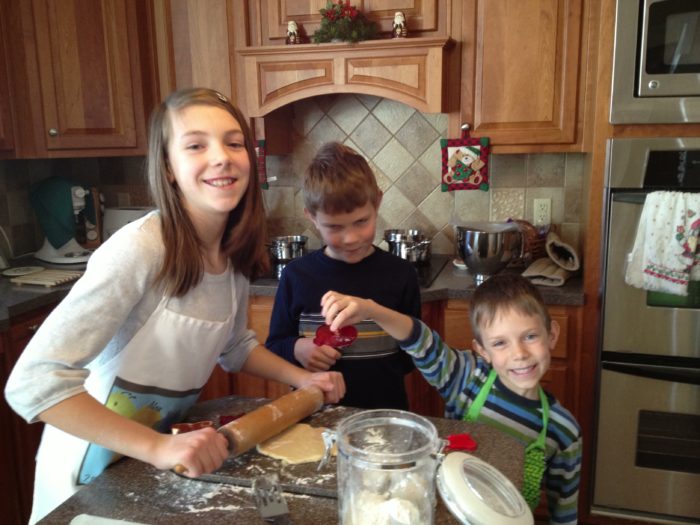
By the time I was in junior high (aka “middle school”) a neurological disease had confined my mother to a wheelchair. I learned to cook at a young age, and Oma tutored me in a challenging, but indispensable skill: rolling out sugar cookies.
She taught me several important aspects of a successful sugar cookie, including:
the right recipe (We liked the one from Mrs. Beatty, my kindergarten teacher. I believe Oma tracked her down in a grocery store to get it.)
the chill factor (the dough needs at least an hour in the fridge)
proper rolling technique (don’t push to hard, roll in several directions, flour the rolling pin, keep the dough about a quarter inch thick)
keep cookies of similar size on each baking sheet (don’t mix big Christmas trees with tiny bells- no one wants to smell burning bells)
Every year I looked forward to picking out cookie cutters and baking with her. Decorating them evolved into an art form similar to painting. Oma + cookies = Christmas.
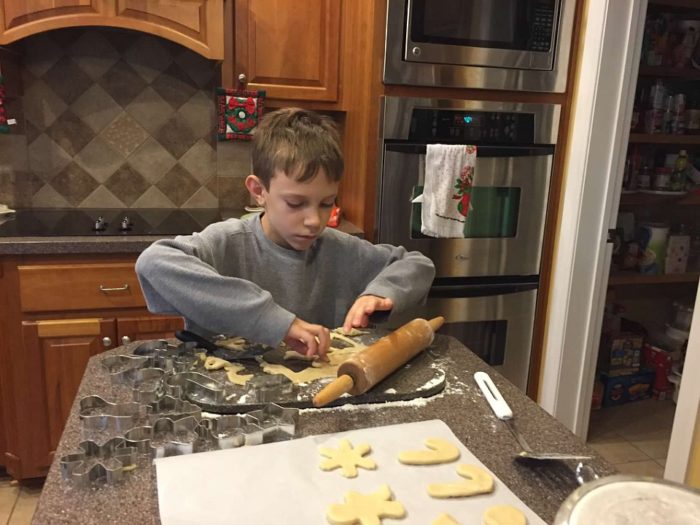
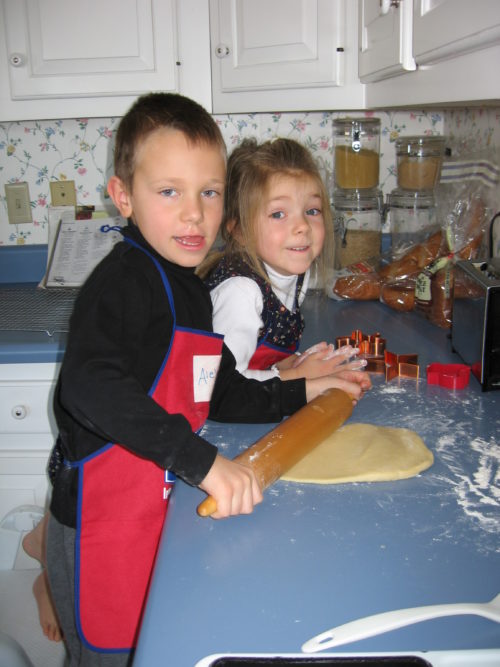
Um, how many cutters are you going to use there, son?
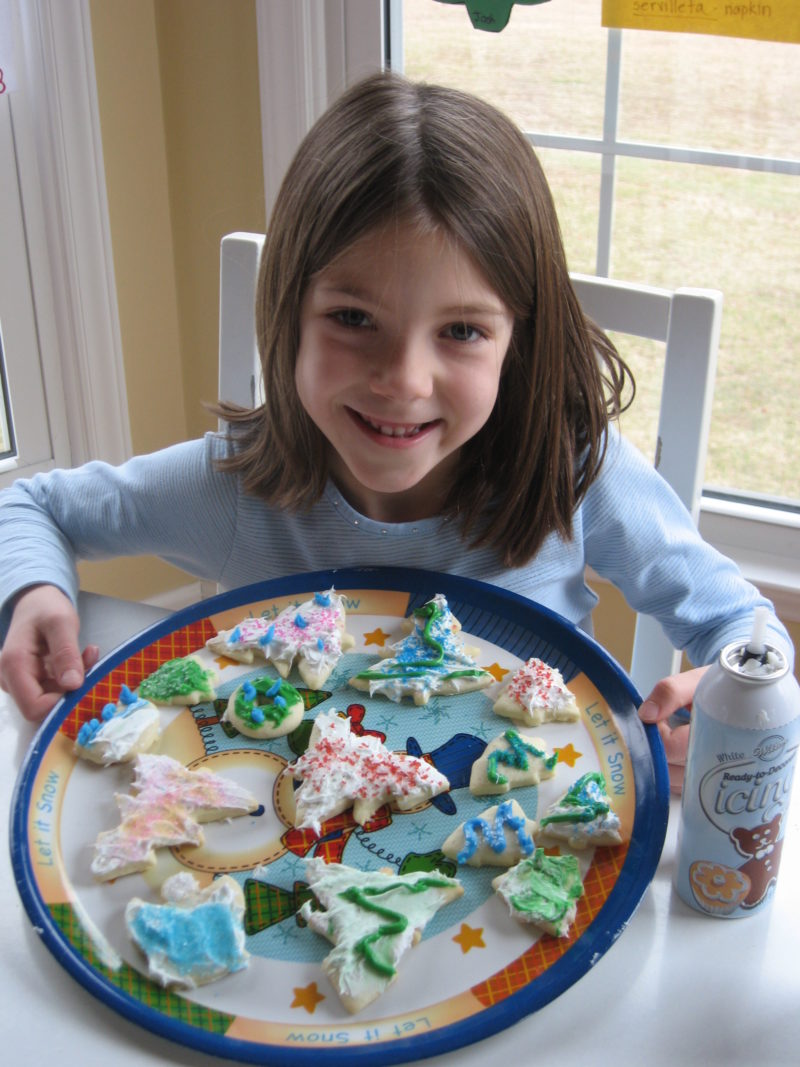
Oma died before my first child was born, but I kept up the tradition with my kids; we’ve rolled dough from early ages. I’m not going to pretend I’ve never snapped over spilled flour or dough dropped on the floor, but overall, we’ve had a good time. I finally figured out that it worked best to operate in shifts, one child at a time. Each child gets a ball of dough to roll out and cut, and he or she uses the remnants that can’t be rolled to form the first letter of his or her name. The oldest two are losing interest in cutting, although eating is still a passion. (This year we’ll have to find a vegan recipe for daughter.)
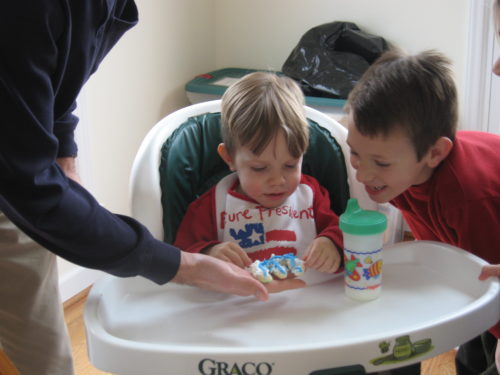
You are never too young to appreciate a good sugar cookie. Christmas 2008
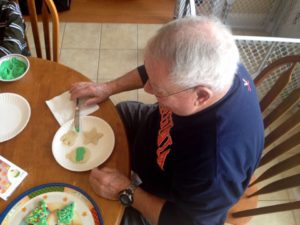
After all the cookies are baked, we sit down with frosting of multiple colors to decorate. Even my dad, who the kids call “Opa” (you guessed it, the Dutch word for Grandpa) pitches in … on the adorning and the eating. I still need to remind everyone not to lick their fingers while handling the cookies!
Cookie decorating- a holiday art
Even Opa helps out!
Do traditions in your family revolve around food as well? Tell us about one!
One more pic, because it’s just so adorable:
Once upon a time… Christmas 2005
Thanks for stopping by!
If you’d like to participate in the Who I Am project, visit Dana’s blog for details.
The setting for this weekend’s amazing discovery: I bounced along in a school bus in the pre-dawn hours of a wet Saturday morning. My middle school aged companions played music (can I tell you how much I hate “Turn Down for What?”) and their latest digital gaming obsession, something about cards and clans.
I wanted something to do.
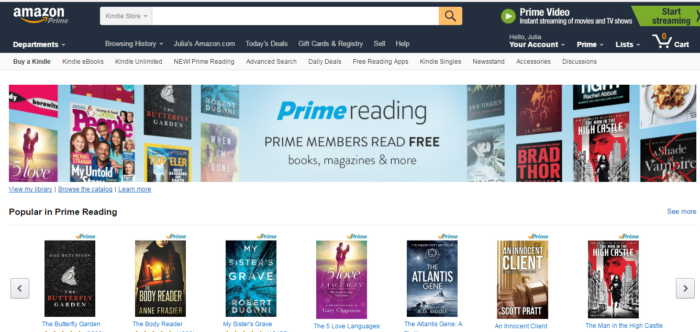
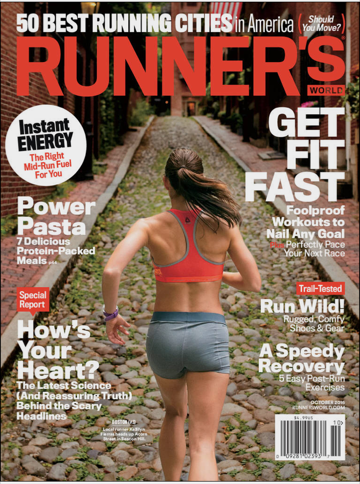
A quick clean up of my inbox brought me to Word Nerd heaven (thank you Amy Lynn Andrews): Amazon just launched Prime Reading! Prime members now have unlimited access to over 1,000 titles, including fiction, non-fiction, and my favorite, magazines. I downloaded the latest issue of Runner’s World and read about Steve Prefontaine to inspire me on the way to our cross country meet.
It’s pretty simple. If you have a Prime membership, you can access over 1,000 books, Kindle singles, and periodicals, as many as you want. You don’t need a Kindle, just the Kindle app so you can read what you download on pretty much any device.
We’ve had Kindles for years and have sometimes used the Kindle Lending Library. With that program, you can borrow one free Kindle book per month. The selection isn’t stellar, but we read The Hunger Games series through that program. Prime Reading should be even better.
The options in Prime Reading look decent. Here are some examples.
In Teens:
The Paper Magician by Charlie N. Holmberg, fantasy, 2015.
Half Way Home by Hugh Howey, science fiction, 2014.
Ella’s Twisted Senior Year by Amy Sparling, contemporary realistic, 2016.
In Popular:
The Five Love Languages by Gary Chapman, self-help, 2014.
Travel Guides for multiple countries by The Lonely Planet
The Monster That Ate My Socks by A.J. Cosmo, children’s, 2012
In Magazines, all the most recent issues of:
People
Sports Illustrated
Entertainment Weekly
Runner’s World
Shape
I’m definitely going to use this in the future – even if it’s just for the magazines. It will come in handy when my kids say, “Mom, I need something to read… now!”
Another Prime benefit…
As an aside, Prime Music has also been a big hit in our house the past few months. Daughter, a music fanatic, used to spend a ton at the iTunes store. Thank goodness her cousin introduced her to Prime Music. Since summer, she’s downloaded over 200 songs, all costs included in our annual fee. We can’t use the streaming part of the Amazon music app – that would kill our data, and we’ve got serious data issues – but the downloads aren’t too data costly, and Daughter often uses public wifi to get her tunes.
With Prime Music, and the Amazon music app, you can make playlists and even import other music (like iTunes songs) into Amazon music. I use bluetooth to play it in the van. Last week I downloaded Jesse’s Girl by Rick Springfield. Remember that one?
Like the books and movies available through Prime, you won’t be able to find everything, especially not recent releases (I had to suck it up and buy the new Shawn Mendes album), but you can still find a lot that meets your fancy.
Have you tried Prime Reading? What do you think? How about any of the other Prime benefits?
Perhaps my kids should pay part of the annual Prime fee… 😉
It’s fall. Leaves crackle underfoot, the air turns crisp at night, and, if you have anything to do with a high school, talk of Homecoming fills the air.
My oldest avoids all Homecoming festivities (except for the mandated Friday pep rally, which includes free hot dogs, so he’s okay with it). After enduring this year’s spirit week, he asked, “What is Homecoming, anyway? I mean, how did it start?”
Good question, my boy. What has prompted us to spend ridiculous amounts of time, money, and worry on spirit days and semi-formal dances? The Word Nerd, and mother of two teens, needed to know.
The History of Homecoming
The Homecoming tradition started in America as a college thing. Three schools claim credit for initiating Homecoming activities: Baylor, Illinois, and Missouri. [1]
In 1909, Baylor University invited alumni back to “catch the Baylor spirit again.” The celebration was originally called “Good Will Week” and included class reunions, concerts, a formal dance, and a football game. However, Baylor didn’t have another Homecoming until 1915, and the event didn’t become an annual tradition until 1934.
In 1910, two University of Illinois seniors, desperate to end the Illinois seven-year losing streak to the Chicago Maroons, conspired to boost school spirit. They invited alumni, students, faculty, and the local community to don blue and orange to support U of I and rally its football team. Apparently, it worked. Illinois won the game, and a tradition was born.
Many groups, including the NCAA, Jeopardy! And Trivial Pursuit, recognize University of Missouri as the true founder of Homecoming. In 1911, Chester Brewer, the Director of Athletics, invited alumni back for Missouri’s annual game against big time rival University of Kansas. For many years, this football game was played on “neutral soil”, but 1911 marked the first year Missou played Kansas on its home field, and Brewer wanted lots of fans to cheer on his team. He planned parties, parades, and a pep rally to generate excitement. Over 10,000 alumni and students attended the game, and colleges across the country followed Missou’s “Homecoming” example after that.
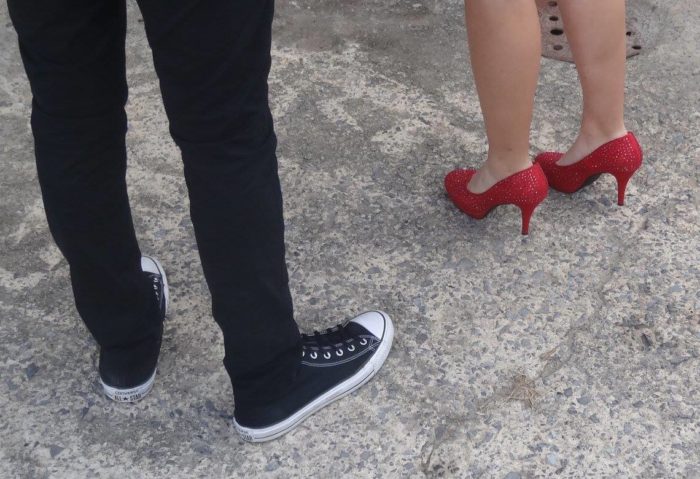
Homecoming footwear; stylish and eclectic.
Some other theories on Homecoming
According to Liana Whitehead of the Fresno State Collegian, [2], Homecoming came about to save college football. At the turn of the 20th century, football was in trouble. There were 18 football related deaths in 1910, and President Theodore Roosevelt threatened to shut the sport down. Colleges rallied, declaring football was central to their hometown gatherings and school spirit. Thus, Homecoming traditions might have gained traction as schools rallied around their football programs.
Another theory is that the name Homecoming comes from the time when a big school team (football, basketball, even ice hockey) returns to its home field/court/rink after playing a string of away games.
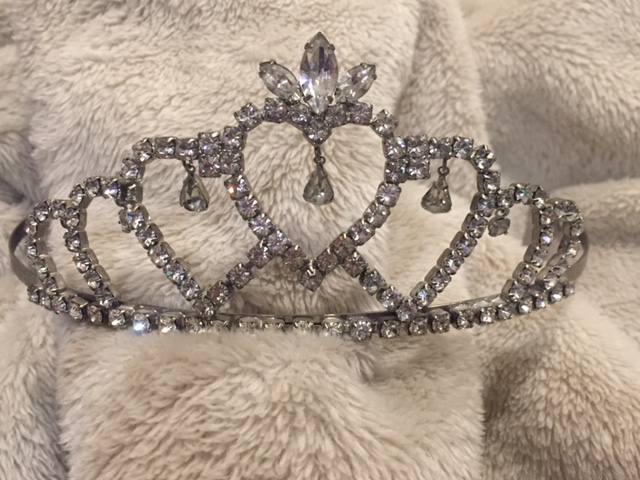
The coveted Homecoming Queen crown. I never wore one, but my friend Heather has two! She’s royalty! 😉
Sometime in the 20th century, Homecoming fervor trickled down to high schools. For secondary students, Homecoming is the first big school event after the summer break, a time when students and alumni “come home” and support their school. High schools usually celebrate Homecoming with parades, bon fires, pep rallies, and the election of a “Homecoming Court”. And don’t forget the dance.
In my small town, Homecoming has gotten rather fancy. Girls get their nails done, make hair appointments, and wear semi-formal dresses. The moms around here tell me they wore wool skirts and blazers to Homecoming 20-30 years ago. That would have been much simpler. (And cheaper!)
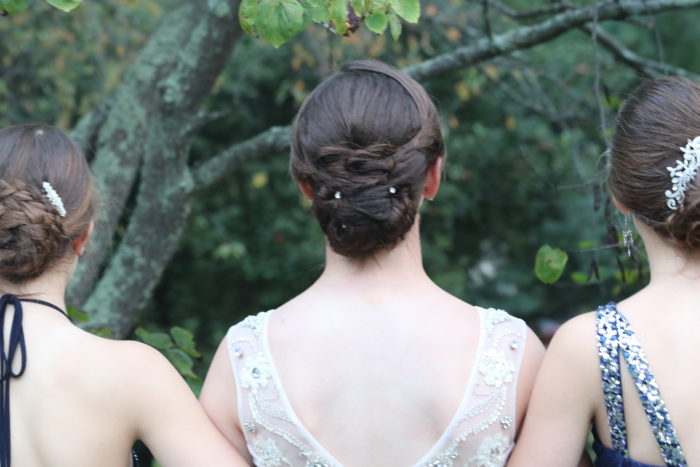
Homecoming hair… done by professionals or friends, it’s gotta be fancy!
What Homecoming traditions are celebrated in your home town? Please tell me blazers are the fashion! 😉
References:
The History of Homecoming, Michael Cramton, Active.com. No date listed on article.
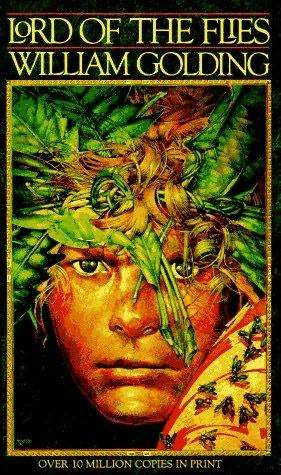
Lord of the Flies. Just the name of the book makes you shiver and think of savagery and cannibalism, doesn’t it? That’s a novel with impact. Sadly, this English major never read William Golding’s story of boys stranded on a deserted island. My oldest two have studied it, and it was time for the Word Nerd to catch up. Daughter suggested I read it during the summer, since the last chapter is “one of the most disturbing things” she’s ever read and would be too depressing during the winter.
Needless to say, I picked up the novel with more than a little trepidation.
Premise
William Golding published Lord of the Flies in 1954. The novel opens without much context; we find a group of boys of various ages stranded by a plane crash on a remote island. A few clues suggest the time is World War II and the castaways are English school boys, and although I’d like more background, that’s not the point of this allegorical story.
The boys quickly divide into factions. One named Ralph leads the group craving order and reason; he wants the boys to build shelters and keep a signal fire lit, always hoping for a rescue. His adversary, Jack, appeals to basic drives, like finding food and establishing dominance. He and his followers like to cover themselves in paint and hunt in the trees for food. Soon, conflict arises between competing priorities, and disaster strikes.
What I like
Lord of the Flies is a thoughtful, well-written study of human nature. It explores themes of survival, politics, power, and the ways humans establish order for themselves – or don’t. The boys struggle with balancing the needs of a few with the needs of a group, and they fight a fall into complete savagery while living in an unstructured, foreign environment.
Golding uses vivid symbolism and description to highlight the conflict among the boys. Two great symbols: the conch shell and the Lord of the Flies, a severed pig’s head mounted on a stick in the forest. Ralph and his companion Piggy use the conch shell to maintain order during group meetings. (One can only speak when one is holding the shell.) By the end of the novel, the conch shell shatters. As for the Lord of the Flies, Jack and his crew mount the pig’s head in an adrenaline driven celebration of their hunt. The head comes to represent everything base and sinful about the boys on the island.
In a year of a hotly contested, and disappointing, presidential election, Lord of the Flies seems particularly relevant. Who deserves to hold power and what are the requirements of a responsible leader? What’s more important, meeting basic needs now or working towards the long term stability of the community?
Here’s a quote that resonated with me:
They understood only too well the liberation into savagery that the concealing paint brought.
On the island, the paint symbolized savagery; behind its disguise, the boys did things to each other they never would have considered in a “civil” situation. In a similar way, people today are much more likely to say brutal things behind the concealment of a Twitter account than if they were directly speaking to an individual.
What I don’t like
The writing is a bit confusing at times, with dialogue not clearly attributed and some stream of consciousness passages that are hard to follow. Otherwise, great book.
Recommendation
A good friend once asked what makes a classic a classic. Perhaps it’s this: a book that still has relevance to society after 60 years have passed. Lord of the Flies is definitely a classic worth reading. And, it’s super short!
Notes on content
Lord of the Flies has been challenged several times over the years for various reasons, including:
demoralizing inasmuch as it implies that man is little more than an animal
excessive violence and bad language
statements defamatory to minorities, God, women and the disabled.
Some scenes are violent and disturbing (hint: boys die), but compared to what we read and see in the media these days, it’s nothing too scandalous. And, the kids wrestle with the moral implications of violence.
Have you read Lord of the Flies? What did you think? Can you recommend another classic or banned book?
It’s Banned Books Week, an annual celebration of the right to read sponsored by the American Library Association. Check out this amazing info graphic from Readers.com that highlights some important information about Banned Books. Please welcome Brian Vu from Readers.com…
Did you know Dr. Seuss’ Green Eggs and Ham was banned in China until 1991? Or that Of Mice and Men was one of the most challenged books during the early 2000s? Great pieces of literature are often lauded for their out of the box thinking, which can lead to not only best sellers but outrage from others. But the difference between a banned book and a challenged book is vast—most scandalous books in our history were never banned, rather challenged by a person or group to remove them for required reading lists. While many challenges are unsuccessful, Readers decided to document some of the most notable challenges and book banning in history. Some titles you may even recognize from your school year reading list!
Fascinating stuff! If you’d like to share this info graphic, please be sure to credit Readers.com and spread the word about Banned Books.
Did any of the books on the list surprise you?
I’ll be back on Friday with a review of Lord of the Flies, one of the most frequently banned classics of all time.
There’s a reason I call myself a “Word Nerd”. I am an unashamed lover of learning, books, and color-coded note cards. It’s a good thing, because I spent my first three decades in school, taking notes and fretting over tests. Now, here I am in my 40s, a stay-at-home-mom with two Master’s Degrees and but no career to speak of. But I finally see that all the stops on my convoluted educational journey contribute to where I am right now. And where I am is great. But first, the beginning…
Class of 1989
I went to high school in Fairfax County, a wealthy district in the Washington, D.C. suburbs. I had a fabulous secondary education to prepare me for college, and since Virginia has several excellent universities, I did not look far to find an undergraduate home. In fact, I only visited three schools and applied to one, UVA, early decision. While my friends freaked over applications during the winter of our senior year, I sat back and smiled. I was a Wahoo by November.
[Aside: My oldest child, a junior, is now looking at schools. He only has three on his radar, and I’d like him to explore a fourth. He’s like, “Mom, these schools have what I want, and I’m pretty sure I can get into two of them.” Perhaps I should let it rest. Everything worked out okay for me, right?]
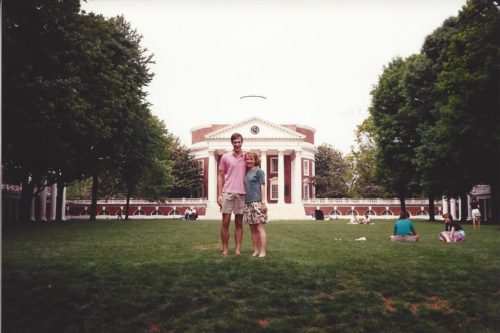
The Rotunda at The University of Virginia, spring 1990, with the boy who would become my husband.
When I started at UVA, I wanted to teach. The school of education had a great program: study five years and get a Bachelor’s Degree from the College and a Master’s in Teaching. I loved my classes, but as I spent more time in schools, I got the uncomfortable feeling that education wasn’t the right fit. What did capture my passion was teaching aerobics for the UVA rec department. I believed (and still do) that exercise has the power to change lives, and I loved getting people excited about fitness. Also, my mom had a few rounds of physical therapy for her chronic illness which spurred my interest. So I gobbled up information about anatomy, physiology, and kinesiology with thoughts of pursuing physical therapy. When I graduated from UVA, I had a fiance going to med school, so I decided I would teach and earn income while he was in school and look into PT when he finished. Ha! Enter reality here.
Um, I’m Going Back to School
I took a job teaching special ed in a public school, and although I loved the kids, the administration wore me down. I came home most nights crying over lack of support and programming, and I couldn’t handle the ten million different jobs a teacher has to do every day. After a year of spinning my legs in a system that didn’t help my students, I couldn’t teach anymore. Husband was already attending MCV’s med school, and all I (the English major) had to do was take chemistry, physics, statistics, and physiology to apply to MCV’s PT program. No sweat, right?
I’ll never forget my father’s reaction when I told him I wanted to go back to school:
“I thought we were done.”
Sorry Dad.
In May of 1995, I cleaned out my classroom and started prerequisite course work. A moment of insanity prompted me to take physics over the summer, so I had a full year’s worth of physics curriculum smashed into twelve weeks of classes. More crying ensued; physics rocked my world. With extensive help from hubby (the math & science guy), I survived physics, and my other classes, and went on to MCV’s PT program. Sadly, my mom died early in my prerequisite year and never knew that I went on to a career that enabled me to help people like her.
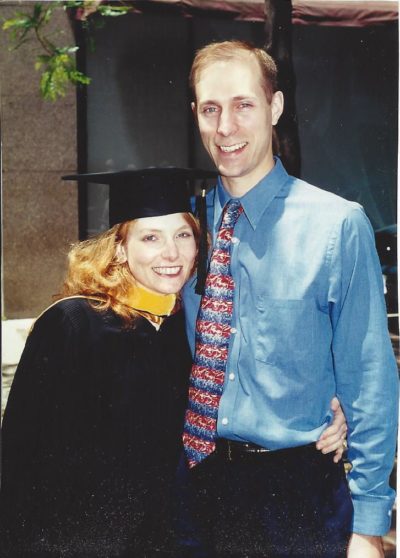
Graduation from Physical Therapy school, 1999. I couldn’t have done it without hubby.
Hubby and I spent our 20s learning about anatomy and health care reform. We scraped by financially with loans, coupon cutting, and generous help from our parents. PT school challenged me as nothing else had: I struggled with on the spot problem solving and had to will myself not to pass out while dissecting cadavers in anatomy lab.
On the day we cut the brains out of our cadavers for the following semester’s neuroanatomy class, I lost it. My mother’s death was fresh in my mind, along with the autopsy ordered of her central nervous system. As the saws revved in the lab, I imagined what the pathologists had done to get samples of my mother’s brain and spinal cord, and I couldn’t stay. My kind professor allowed a rare day off.
Life Since School
After graduation from PT school, I worked at a fabulous children’s hospital in Norfolk with brilliant people who taught me so much about pediatric physical therapy. A year in, I had my first child and switched to part-time. When hubby finished his medical training (a total of seven years for family practice), we moved to the mountains of southwest Virginia for a taste of life away from the suburbs. He also got loan repayment, a huge bonus. I worked part-time PT, doing home health and school visits, until my second child kept getting sick in day care, and I decided to stay home.
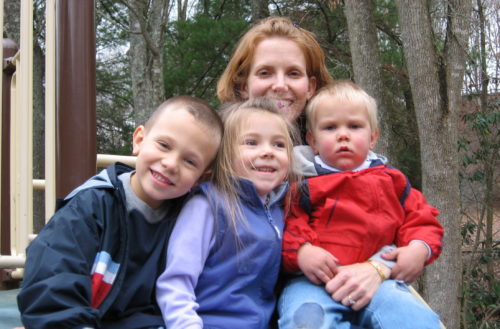
I stayed home for these guys. The one on the left is now 16.
Mommying consumed my attention until my youngest hit kindergarten. Once I had breathing space, an old interest popped up. When I learned that Stephenie Meyer wrote Twilight while waiting for her kids at swim practice, the English major in me awoke. Now I’m a student again, although on a much less rigorous program of study than I took in my 20s. I scour writing books and journals and attend conferences when I can, working around my primary role as mom. And of course, I write. Not every day, but enough.
I used to worry, and some careless remarks from others reinforced my fear, that I wasted all the time and money I spent on school. But finally, after years of feeling conflicted, I’m embracing my choice to stay at home and use my education in atypical ways. I’m a mom, a writer, and a coach, and my studies of English, Education, and Physical Therapy have informed my ability to do those jobs well.
You don’t have to be a student to learn, and you don’t have to have a career to be valuable.
Some closing thoughts on education:
It’s hard to know what you’re going to do with your life at age 20, so make the best choices you can and be open to change. (As long as you are actually pursuing a degree or career and not loafing on your parents’ couch).
Let your nerd flag fly and keep learning. (I’ve got highlighters and note cards in my back pack. Do you?)
Never stop seeking to apply the things you have learned.
What have you learned from your educational journey?
If you’d like to join the Who I Am project, visit Dana’s blog to learn more.


 Notes on content