
What does populism mean?

What is populism graphic

If I gave you two minutes to explain populism, what would you say?

Yeah, up until this week, I didn’t understand populism either. I’m no political science expert, but after reading about the subject, I have better understanding of populism and the controversy around it. To follow up on my post about the power of words, I’d like to try and explain this charged and complicated word.

A vague term

Populism first showed up in America in the late 1800s, when people frustrated with Big Business and the government formed the Populist Party. Its platform called for more economic regulations, nationalized railroads, and directly elected senators. The party had some success, but never cracked our two party system, and “populism” remained largely a term discussed by academics.

Starting in 2016, “populism” gained popularity as the media claimed that Brexit, the 2016 U.S. Presidential Election, and Viktor Obrbans’ takeover of Hungary showed a rise in worldwide populism. However, even though we are hearing the word more, it usually doesn’t come with a definition, so we are left with a vague term often used to evoke negative feelings.

Populism is frequently associated with charismatic politicians who appeal to the resentment of the “common man” and make promises to end their struggle. Mainstream media and politicians apply the term to political movements that don’t fit the mainstream. Populist leaders are characterized as using highly emotional and simplistic rhetoric and backing opportunistic policies to win support of voters. But couldn’t this last sentence apply to many politicians? And therein lies the problem of using a broad term.
Trying to define populism

In 2004, Dutch political scientist Cas Mudde published “The Populist Zeitgeist”, a paper explaining the two core values of populism. 1) Society exists in a tense, moral division between “the people” (who are good) and “the elite” (who are corrupt and out of touch). 2) Politics should represent the “general will” of the people, a common sense set of ideals shared by “ordinary people.”

This definition, used widely by journalists, is often referred to as the “thin ideology definition” because it rests on those two basic tenets. Mudde asserts that populism, because it is a thin ideology, often partners with another ideology to give it more depth. This explains why politicians as vastly different as Donald Trump and Bernie Sanders can both be considered populist. Each could be said to champion the will of “the people” over the self-serving “establishment. “

Different forms of populism dictate who belongs in the morally divided groups. “The people” can be made up of anything from an ethnic group feeling threatened or people facing economic hardship. For example, in right wing populism, “the people” are often those who resent an underclass and the elites who favor that underclass with policies to keep power away from “real people.”

However, some academics see populism as a political style, not a value based ideology. They argue that conflict is inherent in political life, and there will always be a “we” and a “they”. In democracy, the status quo shifts as people unite to create change. What we should expect as normal fluctuation often looks like populism, and therefore characterizing populism as negative can stifle the normal democratic process. Populism often raises valid questions about the status quo, but since many recent successful populist movements have come from the far right, populism has gotten a bad name.

Misconceptions about populism

Some common misconceptions about populism include:

  • any politician citing “the will of the people” is populist
  • populism and nationalism/ nativism (policies advocating ethnic purity) are always linked
  • anyone who deviates from the mainstream is populist

Why populism exists

Many who study politics believe that populism exists because reality doesn’t match the shining ideals of a government built by and for the people. As political parties have converged in recent years, there is a smaller range of options for representation, and people cannot identify with the people making policy decisions. Says Peter C. Baker in his article “We the people: the battle to define populism”,

It finds life in the cracks – or more lately, the chasms – between democracy’s promises and the impossibility of their full, permanent realisation.

Sounds to me like populism, as an ideology or a political style, will be around for a while. We should probably try to understand what it is and why its here.

If you’d like to learn more about populism, please check out these articles:

What is your understanding of populism? Are there other political terms you would like to learn more about?

Thanks for getting nerdy with me!

Why handwriting is good for you!

Eeek! The holidays are over, and it’s time to get back to studying. As you return to lectures, notes, and papers, The Word Nerd encourages you to seriously consider keeping good old fashioned pens and paper handy in your desk and backpack. And I’m not just saying that because I’m old. 😉 Writing things by hand stimulates more parts of your brain than typing does, and it helps you focus… all of which helps you retain information.

Not convinced? Check on my post on Handwriting vs. Typing, and then peruse the following infographic from IvyPanda that explains 20 Ways Handwriting Is Good for You and Your Studying. You might even want to grab a fun color pen (my favorites are Pilot Precise V5 and Paper Mate Ink Joy) and take a few notes. 😉 Thanks to James Corbyn of IvyPanda for sharing this information!

What are your thoughts on the benefits of handwriting? And… what are your favorite pens?

Thanks for getting nerdy with me!
Words for power in 2021

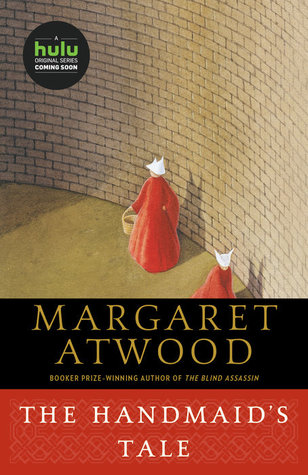
“A word after a word after a word is power,” author Margaret Atwood tells us, and the past several months, culminating in the events of January 6, 2021, have proven her right.

We can use words to inflame hate or inspire compassion. We can wield them to divide or utilize them to unite. We need to recognize the power of words and start using them more carefully if we want to heal from the challenges of 2020 and move forward productively.

Specifically, I suggest we send less words out into the world and think more about the words we absorb. In social media and news reports, people use simple terms for complex ideas, and I’m convinced half the time, we don’t really know what the words mean. When a protestor claims, “The democrats want socialism“, what does that even look like? When a pundit suggests “America is moving toward populism“, what does that say about our society?

We need to stop carelessly throwing words around and slow down to consider the meaning and influence of what we say. We must listen to the words of people we don’t agree with to appreciate why some are so upset and angry that they shatter windows and loot buildings, whether they do so in the streets of Portland or at the Capitol in D.C. We must use words to find understanding, to encourage cooperation, and to foster coexistence.

The words we tell ourselves and each other have incredible effect. We can use them to rehash old hurts and regurgitate old regrets, or we can employ them to build connection and inspire positive change.

At the turn of this new year, I’m planning on using words more intentionally, and I’ve chosen a few, from songs and Bible verses, to turn to when negativity threatens to break me down. My word for the year is “create”, and I originally chose it to remind me to nurture my own creativity, because I have learned indulging my creative side – by writing a novel, sketching a flower, or making a card- fills my spirit.

But now, after the events of January 6th, I realize I can’t just focus on me. People are hurting, and I must consider how my focus word, “create” can make this broken world better. I can, and must, create bridges, and safe places for dialogue, and trust, and understanding. It’s a heavy goal, but one I believe is necessary.

The Handmaid's Tale

Word nerd note: In her acclaimed novel The Handmaids Tale, Margaret Atwood describes life in the oppressive republic of Gilead, a nation formed in the United States after insurgents storm the Capitol and take over Congress. Does that scare you a little? It should.

In 2021, let’s use words for better things: building, empathizing, understanding. Because as Atwood so wisely reminds us, “A word after a word after a word is power.”

What words will you focus on in 2021?

Thanks for getting thoughtful with me!

What to do with those Christmas cards

New Year, new hope, hooray!

Christmas cards
Christmas cards always bring me joy.

But first we have to put away Christmas. Not the sentiment of the holiday- we need all the peace on earth we can get right now- but the decorations. Cleaning up is one thing about Christmas I don’t like (add it to the “extra work” category), but this year I purchased ornament storage containers, so I’m hoping the excitement of organizing our ornaments into neatly arranged compartments will carry me through the less thrilling tasks, like lugging our nine foot tree back down to the basement.

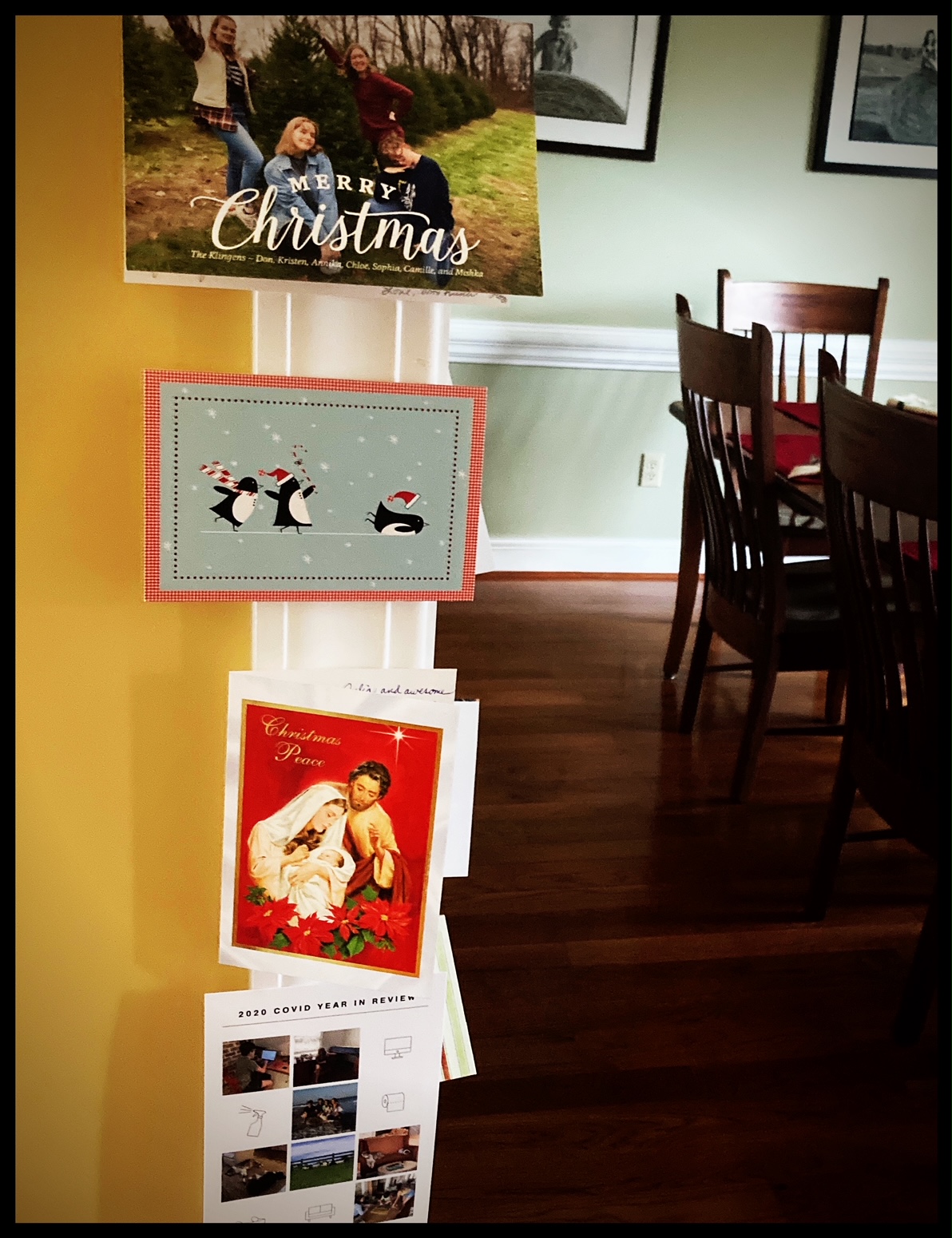
And then, there are the Christmas cards. Every year, I hang the cards we receive around the entrance to our dining room, and the smiles and holiday illustrations bring me joy. They are the last decorations I take down, and even then I’m not done with them. I like to do a few things with my Christmas cards to help me carry the joy and hope of the season into the New Year. Maybe these ideas will be helpful to you too.

Send cards to anyone you missed

Life happens. Sometimes you get cards from people you haven’t heard from in a while. Sometimes things like health issues and family emergencies prevent you from mailing your cards in time. No worries. Christmas is a season, not a day, and we all need to strive to connect with the people we care about in this COVID dominated, politically polarized world. So, if there is someone that you missed or feel compelled to reach out to, send that card. It’s not too late.

Use Christmas cards as reminders

In her Christmas letter this year, my mom’s cousin shared that she kept all of the Christmas cards she received last year. Each week during 2020, she pulled some out and reread them and prayed for the family or person who sent her the card. What a wonderful way to remember the people we care about, not just in December, but throughout the year. I’m stealing this idea for 2021. If you aren’t religious, you could send a quick note to the person who sent you the card. (If you are religious, you could pray AND send a note!) A handwritten note is a beautiful, thoughtful way to show concern and build connection.

Reuse and recycle

A few years ago, my environmentally mindful sister-in-law told me she cuts up Christmas cards she receives to use as gift tags the following year. I loved this idea and stole it as well. In 2021, I will read a card or two a week, pray for the people who sent them, and then use what I can from the cards to make gift tags.

How do you carry the holiday spirit forward, and what do you like to do with your cards?

Thanks for sharing, and Happy New Year! Here’s to a great 2021!

Permission to simplify Christmas

If I’m honest, Christmas is a difficult holiday for me. I find the gaudy decorations and the pressure to buy gifts for friends and family overwhelming. I’m a mom of four, so Christmas means extra work, mentally and physically. It also means a flood of difficult memories, including putting my mother into a nursing home in December of 1995. She died a few weeks later, and to this day, I cannot listen to O Holy Night, her favorite carol, without crying. 

The Christmas season, we’re constantly told, is about joy, however for some of us, especially this year, Christmas reminds us of loss. We feel pressure to feel happy when we really feel stress or pain. Don’t get me wrong, I love that my college aged children will be home, and we will enjoy family time playing games, sharing meals, and reconnecting. I look forward to pulling Christmas cards and letters out of the PO Box to see how family and friends have changed over the year. And of course I cherish that my God cared enough to send a savior down into this complicated world. Christmas, like so many other aspects of this life, is neither all good nor all bad, but a confusing mix of both.

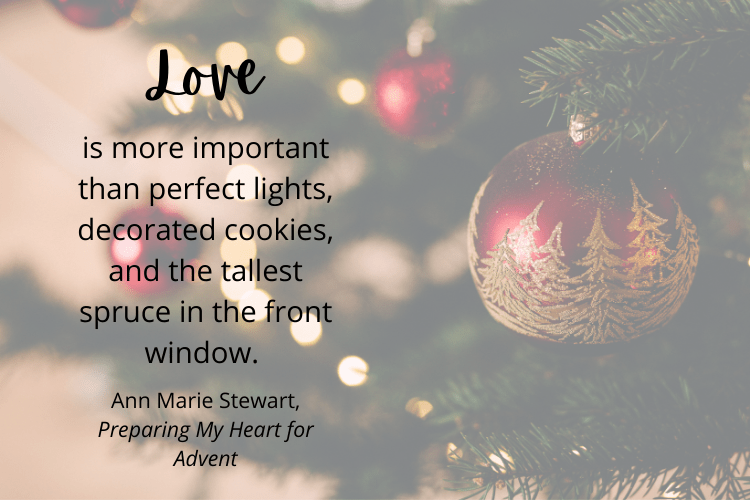
This year, I’m doing my best to focus on the things about the holiday that bring me joy and to worry less about the stuff that stresses me out. I can’t eliminate gift giving or other essential features of the Christmas, but I can do my best to simplify. In her devotional Preparing My Heart for Advent, author Ann Marie Stewart wisely points out, “Love is more important that perfect lights, decorated cookies, and the tallest spruce in the front window. This Christmas, give yourself permission to simplify with a nativity set and a few votive candles. Simplification may add more peaceful quality time and help you celebrate the heart and soul of Christmas.” I’m trying to apply her advice.

Despite what Walmart, Target, and Amazon try to sell us, Christmas doesn’t have to be about MORE or THINGS or MORE THINGS. It can be about quiet. It should be about peace. Figure out what troubles you the most and get rid of it or minimize it. Lower your standards on what doesn’t matter and save your precious time, energy, and money for things that bring you joy. If that means you don’t decorate much this year, fine. Choose to bake fewer cookies? Also good! Forgo the annual Christmas card and letter? Whatever works to help you get through a complicated season at the end of an exhausting year. 

If you, like me, find Christmas challenging, first, know that you are not alone, and second, give yourself permission to embrace what brings you joy and forget about the rest. Christmas started out simple, and it’s okay to keep it that way.

Merry Christmas!

Thanks for getting simple with me.

Word Nerd Gift Recommendations 2020

One of the things I love about the holidays: sending and receiving cards! Are you surprised? 😉 Hand written notes are one of my favorite things to give and receive- they convey thoughtfulness and caring, and I find great joy in sending them out into the world. I talk more about that love, and the origin of the Christmas card, in this post about the Christmas card tradition.

However, one of the things I like least about the holidays: finding gifts. I have a big family, and I don’t like stuff, or shopping, so I struggle to generate enthusiasm to buy more stuff for all of the people on my Christmas gift list spreadsheet. (Oh yes, I am a HUGE fan of spreadsheets, especially color coded ones.)

If you, like me, are a Word Nerd who struggles with gift ideas, here are some suggestions for people who love words, reading, and/or writing. These are all things I’ve used or read myself!

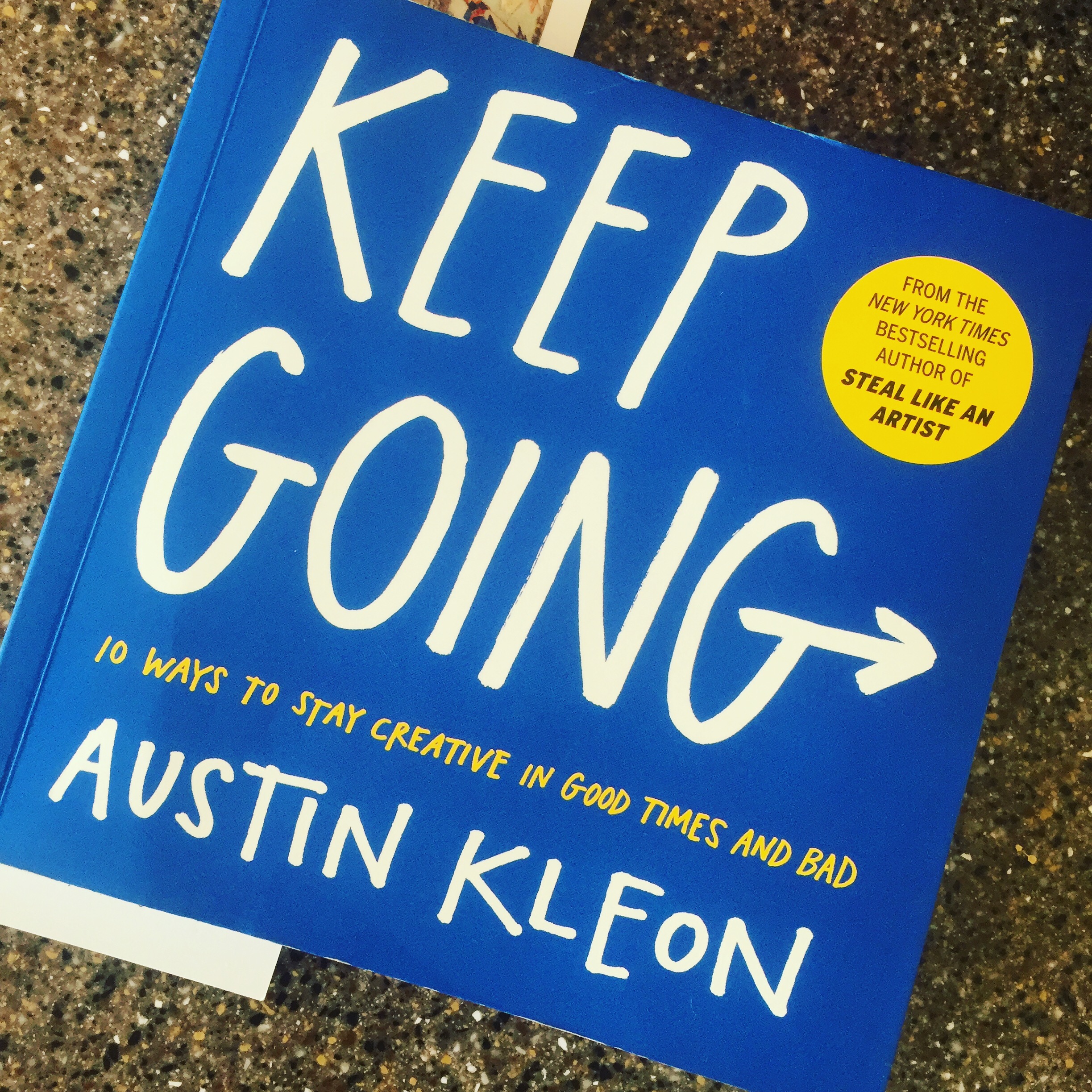
Keep Going by Austin Kleon

Keep going cover

This is a great little book to encourage your creative side. Filled with quotes, diagrams, and inspiring snippets of text, it doesn’t take long to read and is perfect to flip through when you need a mental boost. I got myself Steal Like an Artist and the Steal Like and Artist Journal, also by Kleon, to rekindle some creativity in 2021. After this crazy year, we all need to practice some nourishing creative habits.

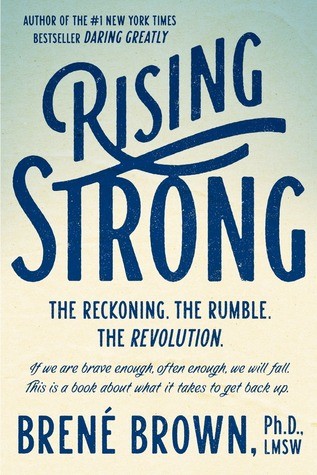
Rising Strong by Brene Brown

Rising Strong book cover

This is the third book by Brown that I’ve read, and it is by far my favorite. Rising Strong is about choosing to be vulnerable enough to uncover and understand our emotions. Brown, a social worker and researcher, uses data and personal anecdotes to explain how to rise from failure, disappointment, and heartbreak. I listened to the audio, which Brown reads herself, and next I need to make note cards, so the next time I’m overcome by a strong emotion, I will have the Rising Strong tools ready to deal with it.

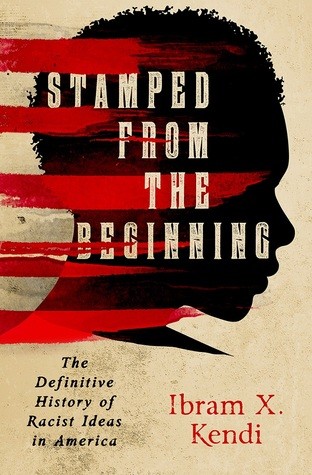
Stamped from the Beginning: The Definitive History of Racist Ideas in America by Ibram Kendi

Cover of Stamped by Ibram Kendi

This book is heavy- physically and mentally- but it’s a very important read. It’s at least three inches thick and has lots of well researched information about the history of racism in the Western world, starting before our country was even founded. Stamped covers aspects of history that my high school courses never did. I’ve learned about Jefferson and Lincoln’s ideas on slavery and racism, the complicated path of W.E.B. DuBois’s activism, and how Angela Davis influenced politics and feminism in the U.S. There is a YA version of this book, co-authored by the talented Jason Reynolds, that I have given to my son and family friends. This is a great time to explore the origins and influence of racism. Stamped is a great place to start.

A journal

I started keeping a daily journal a few years ago, under the influence of Austin Kleon. (Yeah, that guy I mentioned two gift ideas ago.) I use a basic Moleskin daily planner to record the events, ideas, accomplishments, compliments, or frustrations of each day. It’s been especially interesting to record and process 2020 with my journal. I’m sure 2021 will be another interesting, transformative year, and a journal will give your friend or loved one a permanent place to record thoughts and reactions. Who knows where Twitter and Instagram will be in 10 or 20 years, but that journal could be fun and instructive to look back on. Choose soft leather or fun, vibrant colors, whatever suits the recipient best.

Goodreads Choice Awards

I always scan the winners and nominees of the annual Goodreads Choice Awards to help me find potential gifts. These awards are given by every day readers, and I often enjoy what I find on this list.

Final recommendation

I’m growing more and more suspicious and unhappy with Amazon’s business model, so this year, I purchased all my Word Nerd gifts from either BarnesandNoble.com or independent bookstores. Book No Further, in Roanoke, VA, has great shipping service, and I feel good knowing I’m supporting a local, independent bookstore. Search independent bookstores near you to help out a local small business.

All of my recommendations are fairly serious. Do you have a “fun”, “escapist” book or gift to recommend? Or any other ideas to add?

Thanks for getting nerdy with me!