
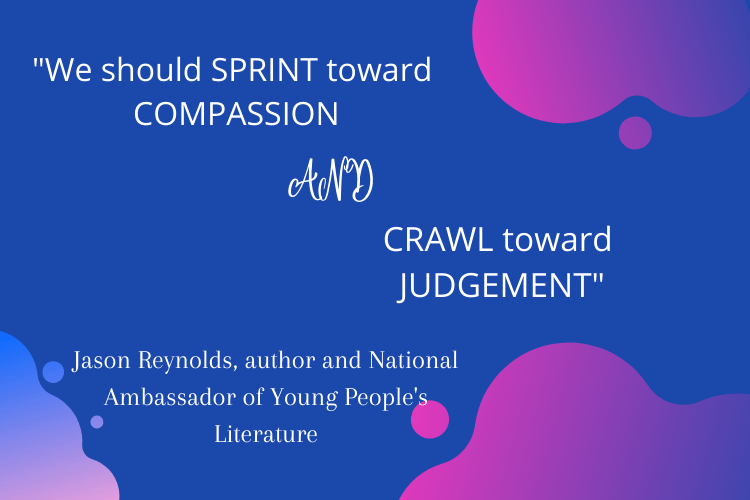

You know someone has said something amazing when you have to stop walking the puppy, make the puppy sit, and jot down a quote in your notes app. That happened to me this morning while I listened to the TED Radio Hour podcast featuring Jason Reynolds talking about “The Antidote to Hopelessness.” This man LOVES kids, and he has some pretty profound things to say about them.
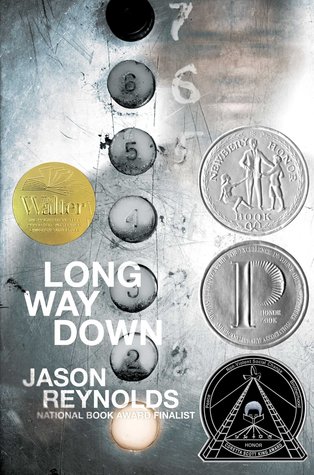
Wait, do you know who Jason Reynolds is? He’s just been appointed the National Ambassador for Young People’s Literature for the THIRD time in a row. He’s the author of many award winning books for kids and young adults, including All American Boys, (which I LOVED) Ghost, and Long Way Down (a story told in verse about a ten minute elevator ride, which I also LOVED).
He is a 6’3″ black man, sporting dreadlocks, who visits children in schools not just to get them excited about reading but to assure them he understands them, he hears them, he sees them. He also has an awesome voice – literally and figuratively. Let me share some of the awesome things he says with that voice.
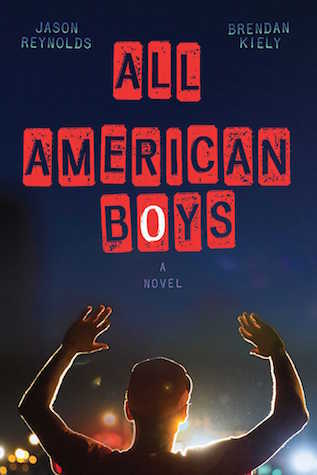
Reynolds started writing books at a young age. He self-published some books in his teens, and after college, he took off for New York to break into the publishing world. But it wasn’t until his late 20s, with the publication of When I Was the Greatest in 2014 and then All American Boys in 2015, that Reynolds’ work got noticed.
During the TED Radio Hour interview with host Manuosh Zomorodi , Reynolds talked about how kids handle the challenges of life. He said they move on not because, like adults, they have responsibilities like paying the bills or taking care of family. They move on because they appreciate life and humor. “They are always willing to make a joke,” he said, noting that was an important lesson for the rest of us. “I love jokes, I love laughing. Kids always make time for laughing, and we adults should do the same.” Reynolds said he can’t be “childish”, but he strives to be “childlike”.
Sage advice.
One of my favorite quotes from the podcast, the one that I had to write down, was,
We should sprint toward compassion and crawl toward judgement.”
Jason Reynolds, on the TED Radio Hour
The podcast also shared a clip of Reynolds talking to kids during a school visit, and he said,
Excellence is a habit, not something you turn on and turn off. You will either be excellent or you won’t. Remember that.”
Jason Reynolds
I’m thankful and happy Jason Reynolds is using his amazing voice to connect with kids of all kinds and get them excited about reading. I’m also glad he’s sharing his wisdom with the rest of us. We need more voices like his. Learn more about Jason Reynolds at his website. There is also a video of a conversation with him featured during this week’s National Book Festival sponsored by the Library of Congress.
Have you read any of Jason Reynolds’ books or heard him speak? What did you think?
Thanks for getting nerdy with me!