Why you should read The Henna Artist

Are you interested in a book that exposes you to other cultures? Or helps you understand the challenges women face in other countries? Or has beautiful story telling and characters you can relate to, even though they are set in a different time and place? I have just the book for you!

The Premise
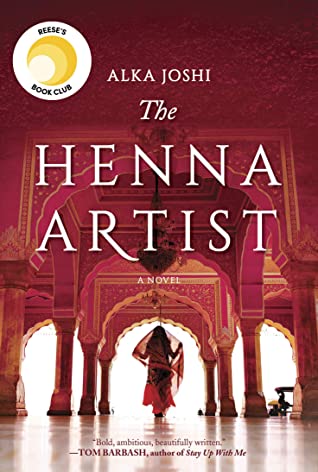
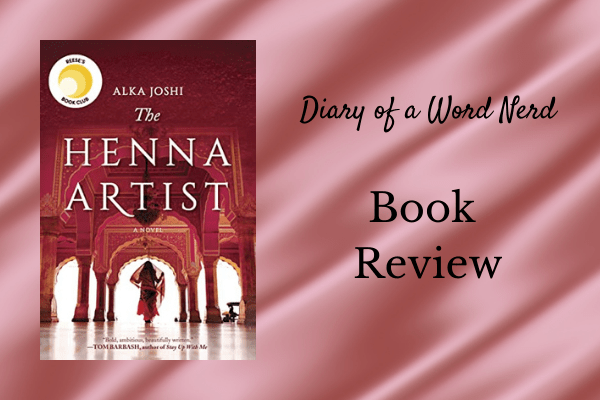
The Henna Artist, by Alka Joshi, tells the story of Lakshmi, who escaped an abusive marriage when she was 17 years old to start a new life in the city of Jaipur. There, she gains respect, some independence, and a good income working as a henna artist for the wealthy women of the city. However, her business depends on the good graces of men and the women she serves, and when multiple event threaten to ruin her reputation, her livelihood hangs in the balance.

What I liked

Joshi expertly weaves information about Indian culture into her plot. She also includes a glossary of terms and a name index in the back of the book to help readers understand Indian words and follow relationships between characters. I never felt lost or overwhelmed by the world she creates, nor did I perceive an “info dump.”

Joshi’s characters are interesting and complex. Lakshmi, the main character, is smart and talented, and I couldn’t help but root for her as she negotiates class, caste, and misogyny in 1950s India. While her world is so different from my own, I could relate to her feelings of frustration in multiple areas, especially in mentoring her younger sister. (They have more of a mother-daughter relationship than a sibling relationship.)

Although Lakshmi faces challenges, she has some true friends and a resourceful young helper to support her. I especially like that by the end of the novel, Lakshmi must reassess if the things she thought would give her power – a house, a job, the favor of the wealthy – actually bring her happiness.

What I didn’t like

The frequency of Indian words confused me at first… until I found the glossary. Then I started to enjoy learning the different words and being able to understand context better. I also questioned whether a woman in India in the 1950s would have as much independence as portrayed in The Henna Artist, but I suppose we can give the author artistic license. In her author’s notes, Joshi says part of the reason why she wrote the novel was to explore how her mother’s life might have been if she had more independence.

Recommendation

If you enjoy historical fiction, women’s fiction, or learning about other cultures, The Henna Artist is a good choice for you. A few members of my book club listened to the audio book said it was well done and helped with pronunciation of the Indian words.

Have you read The Henna Artist? What did you think? Can you recommend other books about foreign cultures? I think The Kite Runner is excellent for learning about Afghanistan.

World reading habits in 2021

Happy New Year! Please welcome my guest Isabel Cabrera as she shares an infographic and highlights on reading habits across the world, collected by Global English Editing.

How did the second year of the pandemic affect our reading habits?

Well, according to editing and proofreading company Global English Editing, the world is reading more books than ever before.

They have recently released a great new infographic about world reading habits in 2021, and some of their findings may surprise you. 

The infographic shows which countries read the most, what they read, and how the ongoing pandemic has impacted reading habits worldwide.

Some of the highlights of their research include:

  • India, Thailand, and China read more than any other country.
  • US readers prefer romance novels
  • Millennials are the most avid readers of all generations
  • Europe’s biggest bookworms are Finns, Poles, and Estonians
  • In China, audiobooks are becoming increasingly popular

Curious to know more about what the world was reading in 2021? Then check out the infographic below.

Word Nerd Note: I was sad to see that the pandemic has caused a decrease in the literacy rate in developing countries, and that children are falling behind in literacy skills because of school closings. I was happy to see more adults are reading, that ebook sales have leveled off, and that Liane Moriarty has more books out! 🙂 Happy reading!

World Reading Habits infographic

Notice what’s good in 2022

You get more of what you notice.

Too often, we notice and grumble about things that aren’t going well and people who annoy us. There are so many challenges in the world right now, I’m not going to bother to list them here. You already know them, and notice them, too readily. And unfortunately, the more we notice them, the grumpier we get. It’s a self-perpetuating cycle, but one we have the power to stop.

I recently read an opinion piece in The Washington Post entitled “21 Good things that happened in 2021.” Each year, The Post publishes a piece like this, increasing the list of good things according to the number of the year. A challenging exercise, but a worthwhile one. Because perhaps if we spend more time focusing on the good things happening out there, we won’t be as discouraged by the bad things.

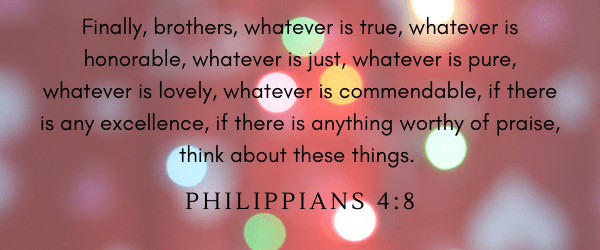
Whether or not you are a Christian, this verse from Philippians offers useful advice:

Looking back on 2021

So let’s start by looking back at 2021 and taking notice of good things that happened. I won’t bore you with 21 good things from my life, but I will list a few for inspiration.

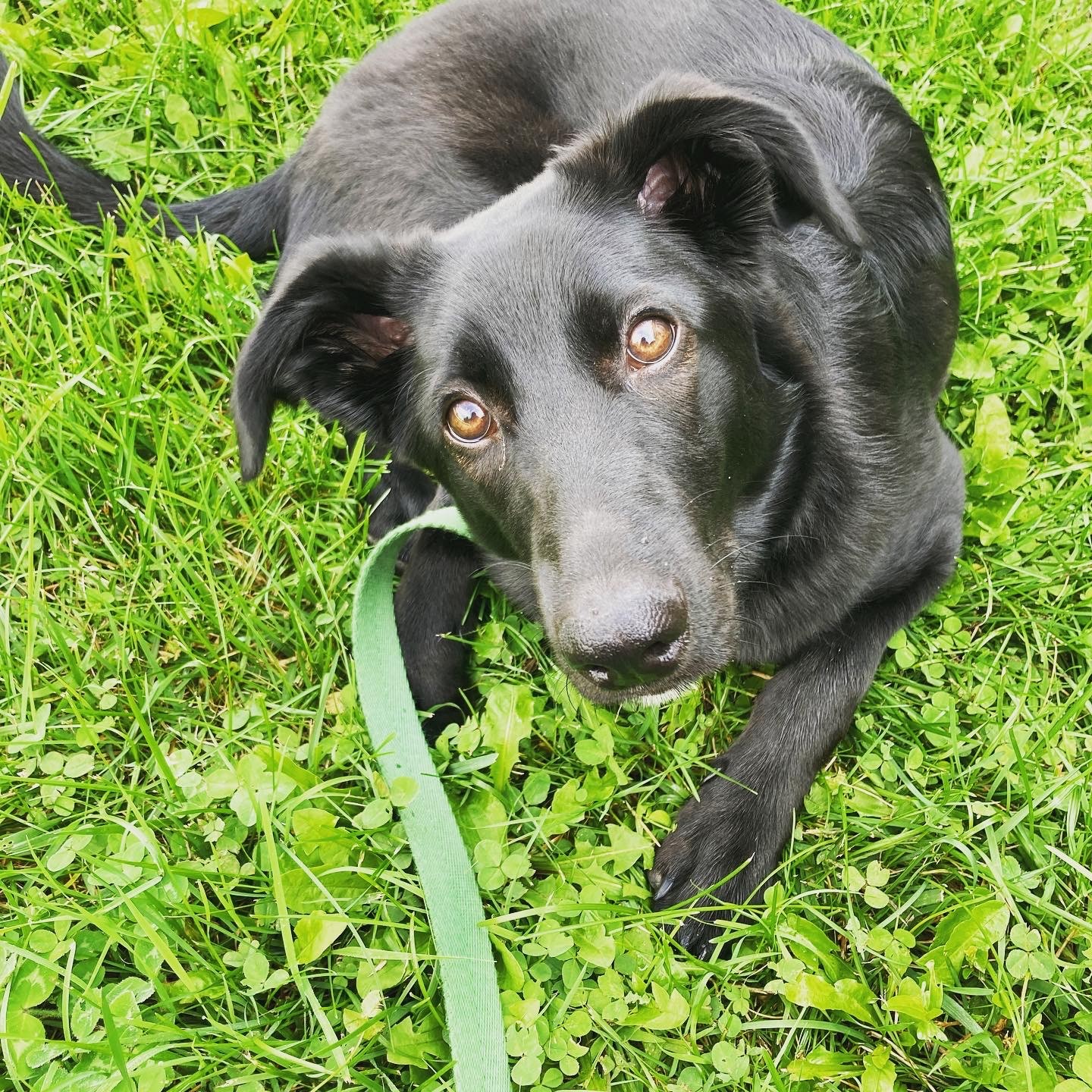
Good thing #1:  My new puppy, who is energetic and curious and forces me to stay focused on the present. When I take her for a walk, if I sink into spiraling thoughts, my puppy invariably starts pulling on her leash or eating something disgusting, as if she knows I need the cue to escape my unhelpful musings.

My puppy, Scout.
  • Good thing #2:  A true family vacation in July after months of limited travel and contact during the pandemic.
  • Good thing #3: Love and support from family and friends while I took care of my dying father.
  • Good thing #4: Finding jeans that fit. (Thank you, Stitch Fix!)

Prepping for 2022

Now it’s your turn. Think of 21 things from 2021, however big or small, that were good. I dare you to write them down. (Writing often helps me process and solidify ideas; it might do the same for you.) Perhaps this could be a New Year’s Eve activity to enjoy with friends and family, or a quiet meditation you practice by yourself. Just do it.

That’s the first step. Next, plan to make it a habit to notice the good in 2022. Think about the stories and media you consume, and commit to making sure you get plenty of positive news to balance out the snarky, sensational, and shocking. Find publications, websites, and influencers that focus on good and will guide you to do the same.

One suggestion: Reasons to Be Cheerful, a website founded by former Talking Heads lead man David Byrne. According to the site’s About page, “Reasons to be Cheerful is a non-profit editorial project that is tonic for tumultuous times. We tell stories that reveal that there are, in fact, a surprising number of reasons to feel cheerful. Many of these reasons come in the form of smart, proven, replicable solutions to the world’s most pressing problems. We’re here to tell you about some of them.”

I have signed up for the “Reasons to be Cheerful” newsletter so I can get positive stories about solutions in my inbox each week. I guard my email inbox like a Doberman, but I think this is a worthwhile addition.

Wishing you the very best for 2022, and most especially, encouraging you pay attention to what you notice, and make sure you notice the good.

Happy New Year!

Thanks for getting positive with me!

Rejoice in an imperfect holiday

I admit it, I’m a bit of a Scrooge. The holidays usually cause me more stress than joy, and I’ve been known to get cranky while wrapping. However, this year, I have a new December mantra:

Commercials, social media ads, and, quite frankly, the posts of our friends and loved ones, make us feel like our hearth should also have perfectly twinkling lights with fresh green garland winding between them.

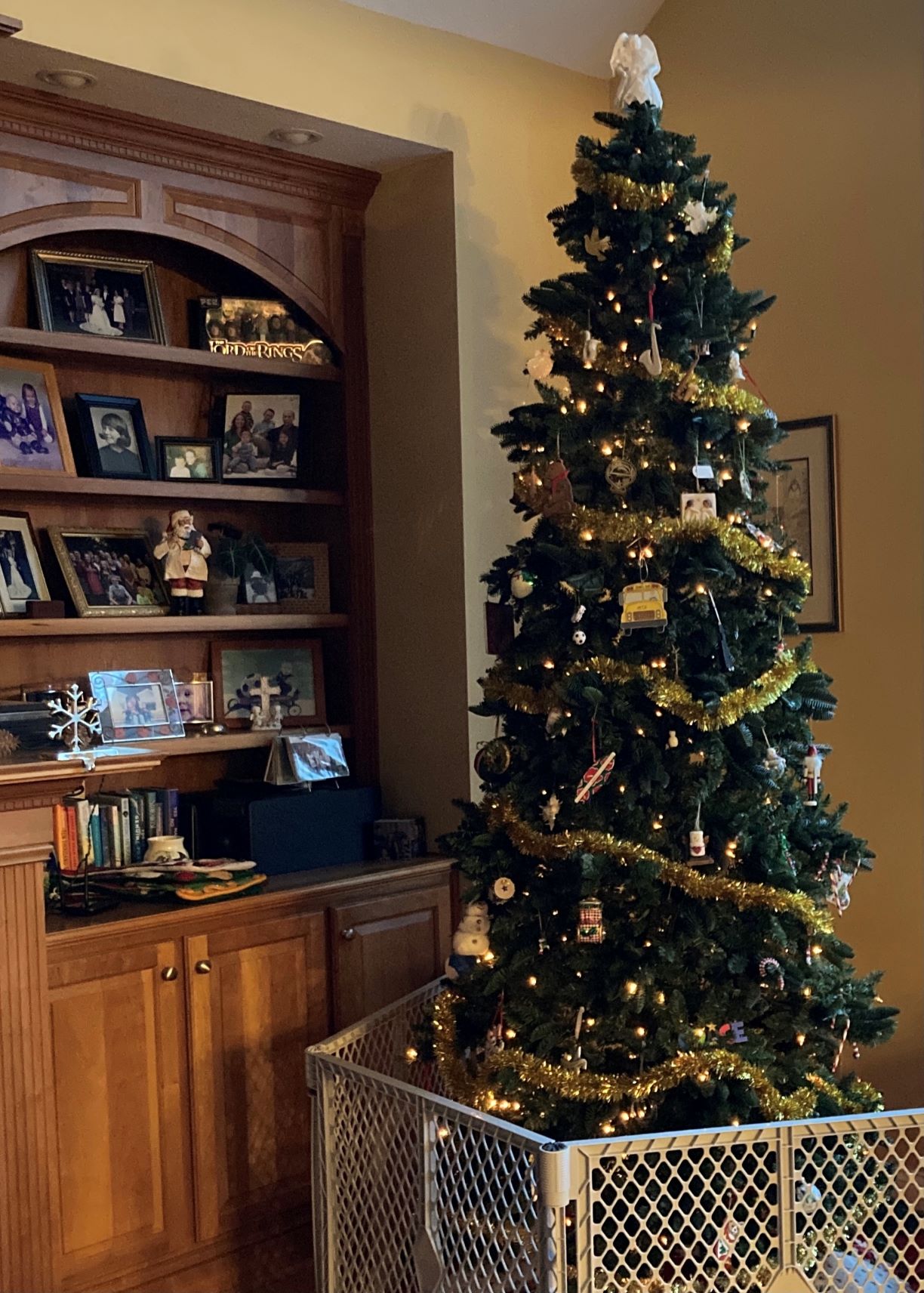
Image of Christmas tree
Our puppy protected tree

However, at my house, we’ve had our fair share of burned out light strands, a left leaning Christmas tree, and stacks of junk mail sitting next to Nativity Scenes. Currently, our tree is protected by a 2 foot tall plastic doggie fence to keep our exuberant and curious puppy from taste testing the ornaments. Not the stuff of HGTV, but definitely the Tomiak reality right now. I could give hundreds of personal examples of holiday imperfection, but to keep this piece short, let’s focus on what’s really important to me and my family: food. So here we will examine culinary mishaps.

Every year at Thanksgiving and Christmas, our family makes Cherry Cheese Pie, a dessert my husband apparently loved as a child. His mother has passed down the recipe, a delectable concoction of graham cracker crust, fluffy white “goo”, and cherry pie filling (with vanilla and almond extract mixed in). We make the goo from Dream Whip, powdered sugar, and cream cheese. You’re getting the idea now.

Also every year, we manage to mess up this basic recipe. (I mean, you don’t even bake the pie! Just the crust for 8 minutes). One year, we used too many graham cracker crumbs, and the crust crumbled at serving. Another time, I forgot to put the powdered sugar in the “goo”, so it was disappointingly NOT sweet. This year, my daughter whipped up the best goo I’ve ever tasted, but she put so much in the pie crust, when she poured the cherry filling on top, the sticky garnet cherries and their syrup cascaded over the side of the pie dish and onto the counter. This made for a somewhat unattractive pie (no clean white goo border around the cherries) and complicated storage.

Cooking mishaps aren’t limited to cherry pie in my family. One Christmas, my mom attempted to make a grasshopper pie totally from scratch. She put Oreo cookies in the blender to crush for the chocolate crust, but sadly forgot to put the lid on the blender before hitting the power button. I was too young when this happened to remember the incident, but family lore says cookie crumbs flew throughout the kitchen and were still found weeks later. (Luckily, my current blender will not start unless the lid is on.)

My friend Rohna humbly shared some of her cooking catastrophes with me. Like the time she was pulling the aluminum foil pan of green bean casserole out of the oven. The pan had gotten flimsy with cooking, and the green beans and their sauce ended up all over the door of the oven and, unfortunately, in its hinges. Or when her mother dropped a glass dish of stuffing onto the floor.

My guess is you could add your own story, and I’d love to hear it. I’d also like to remind you that culinary disasters don’t matter. Life isn’t perfect, and anyone telling you otherwise is trying to sell something. My late father liked to say, “It all goes to the same stomach.” He said that when I complained about food on my dinner plate, but I’d like to repurpose the phrase here: No matter what the food we choose to make for our friends and loved ones looks like or tastes like, or even if you don’t get to eat it at all (no dressing with glass shards for me, thanks), the effort and love that go into creating the dish matter more than the final product. The time spent together matters more than cherry tinted goo.

So bring out your lopsided cakes and flat cookies, the smeared frosting and the burnt edges. We shouldn’t let stress or pie crust steal our joy this holiday season. As my pastor, Lon Tobin, said wisely last Sunday, “The first Christmas wasn’t perfect, and we shouldn’t expect ours to be either.”

Rejoice in the imperfections.

Tell me about YOUR culinary disasters in the comments. 🙂

Thanks for getting nerdy with me!

Five fabulous Word Nerd gift ideas for 2021

Gifts cause me the most stress at Christmas. The idea of finding things to make so many different people happy taxes my already busy brain. This year, I’m trying a new strategy. I fully acknowledge, to myself and my family, that gifts cause me anxiety, and I’m just not going to give them too much significance. If I find a great gift for someone on my list, fantastic! If not, well that’s just how it’s going to be. Celebrating the birth of a savior should not make me panic.

If you, like me, struggle with the gift giving aspect of the holidays, here are five of my bookish and not so bookish favorite things from 2021 that might help you with your gift list!

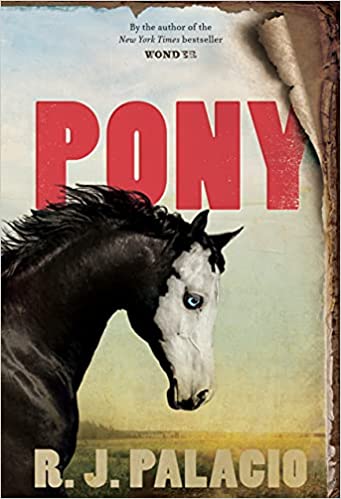
Pony by RJ Palacio

Palacio wrote the lovely kidlit book Wonder, and this year she has published another gem. Here’s the blurb: Twelve-year-old Silas is awoken in the dead of night by three menacing horsemen who take his father away. Silas is left shaken, scared, and alone, except for the presence of his companion, Mittenwool . . . who happens to be a ghost. When a pony shows up at his door, Silas makes the courageous decision to leave his home and embark on a perilous journey to find his father. Along the way, he will face his fears to unlock the secrets of his past and explore the unfathomable mysteries of the world around him.

Pony is a fantastic quest story set in 1860 with suspense and supernatural elements. Silas is an unusual boy, and his story explores the delicate line between belief in the truth and acceptance of the unknown. It’s targeted at middle grade readers (8-12 years old), but I think anyone would enjoy this well written novel. I listened to the audiobook, which is done well, and I’m gifting several copies of this book.

Ten Thousand Tries by Amy Makechnie

Ten Thousand Tries by Amy Makechnie is another wonderful kidlit novel. The blurb: Twelve-year-old Golden Maroni is determined to channel his hero, soccer superstar Lionel Messi, and become captain of his soccer team and master of his eighth grade universe…especially since his home universe is spiraling out of orbit. Off the field, Golden’s dad, once a pro soccer player himself, is now battling ALS, a disease that attacks his muscles, leaving him less and less physically able to control his body every day. And while Mom says there’s no cure, Golden is convinced that his dad can beat this, just like any opponent, they just have to try. See my full review here.

The Guncle by Steven Rowley

If you are looking for something more on the adult side, I really enjoyed The Guncle by Steven Rowley. The blurb: From the bestselling author of Lily and the Octopus and The Editor comes a warm and deeply funny novel about a once-famous gay sitcom star whose unexpected family tragedy leaves him with his niece and nephew for the summer. The Guncle is a funny, thoughtful, and not too serious look at the grief process that includes a lot of ice cream. My full review is here.

Back and neck massager

Nope, this has nothing to do with words or books, but I LOVE my massager, the Resteck electric shiatsu back and neck massager. I can place it over any sore muscle, and the rotating knobs deliver much needed heat and relief to my trigger points and tight spots. This particular model comes with a travel bag and car charger! (After I demonstrated the glory of my massager at a book club meeting, several members purchased one.) Thank you Caroline for recommending this awesome tool!

Instant Pot

My mother in law gave me an Instant Pot for my birthday, and it is the best thing for a busy chef. You can use it as a slow cooker or a pressure cooker, and it’s a great way to cook up tasty one pot meals. When using the pressure cooker mode, the unit takes a while to build up pressure, so cooking time isn’t that much shorter than normal cooking. However cooking meat in the pressure cooker produces more tender and moist results compared to a crock pot. There is a safety valve on the top to let you know when all of the pressure is released, so I have never had any safety concerns. You can check out Instant Pot recipes I have tried on my Pinterest Instant Pot board.

Goodreads Choice Awards

The Goodreads Choice award winners are out for 2021, and this list is always a great place to find more book ideas. I was happy to see Andy Weir’s Project Hail Mary on the list – my boys, who love sci fi, enjoyed this book.

How about you? What have been some of your favorite things in 2021 that you would recommend gifting to others? Leave your suggestions in the comments.

Thanks for getting nerdy with me!

How to say “omicron”

Well, we’ve been wrestling with it all week – how to say “omicron”, the name given by the World Health Organization to the latest COVID “variant of concern“. The Word Nerd is here to tell you your options, as well as why the WHO chose this particular Greek letter.

Pronunciation of omicron

According to Merriam-Webster, omicron is the 15th letter in the Greek alphabet and can be pronounced one of two ways. Either ah-macron (which is supposedly the American pronunciation) or “oh-macron” which is supposedly the British. If you’d like to hear it for yourself, check out this You Tube video:

I think the British version sounds more fancy and refined, so I’m going with that, and leading with an “oh” sound. (I’m also the girl who has her SIRI voice set to a British man who I like to refer to as Watson, so take that into account.) The look of the letter is nothing special – your basic o.

Why is this variant named omicron?

The other thing I’ve been wondering is why the WHO chose omicron. As new variants have emerged, the WHO has worked its way through the Greek alphabet, starting with alpha and moving down the list. However, after Mu, the next two letters are Nu and Xi. According to the New York Times, WHO officials thought that Nu would be too easily confused with “new” and “Xi” is a common name in many countries and could create problems. For example, the top leader of China is Xi Jinping. So, they skipped to omicron.

What we know about omicron

We don’t know much yet except that the omicron variant is here and spreading. As of Dec 2, 2021, two cases have been found in the US and cases have also been found in several European countries and Australia. And of course South Africa. Scientists will need some time and data before they can make definitive statements. In the meantime, you can read about what is currently known in this NYT article, “Omicron: What Is Known — and Still Unknown“, posted Dec 2, 2021.

How do you choose to pronounce omicron, and how do you keep up to date on the science of COVID? I like to listen to podcasts like The Daily and read articles from reliable sources, however, as the media tends to emphasize negative news, I’m trying to keep myself informed without getting sucked into too much pessimistic reporting.

Thanks for getting nerdy with me!