

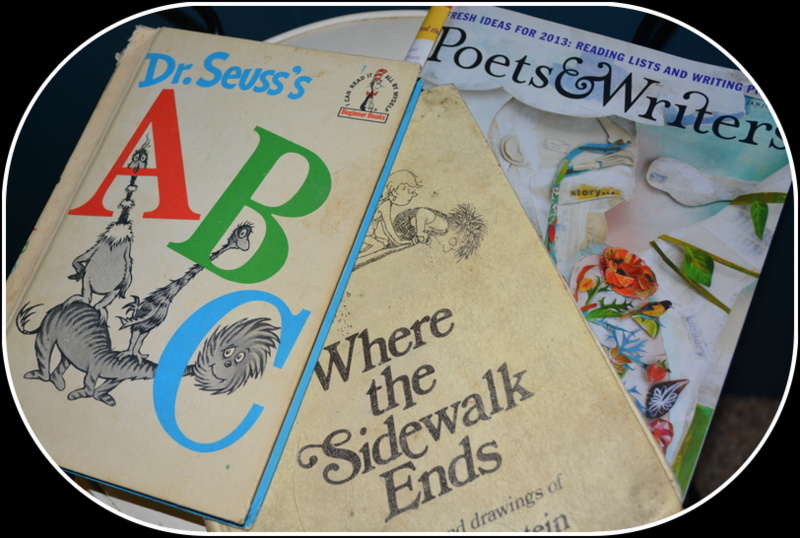
 Do you have a mini-me poet on your hands, or a budding writer, or are you just hoping your child can be one of the learned ones? Whatever your reasons, I can help entice your child into loving poetry.
Age may play a factor in which approach you take, but these are all tried and true ways to get your child on board with poems:
- Start early, with the best poet of them all: one Dr. Seuss aka Theodor Geisel. Who can resist the nonsensical rhymes and fabulous illustrations?
- If you’re past the Seuss stage, but still ready for some fun, be sure to read Shel Silverstein or Jack Prelutsky at bedtime. Both offer quality humor and rhyming for any age, but getting an ingrained love of reading early on age always helps out later in life!
- If you’ve already hit the less-than-receptive years, don’t worry. Try out some verse novels.
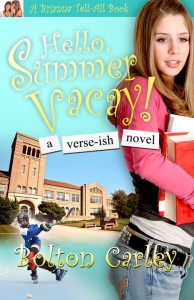 They are perfect for reluctant readers. Poems that tell a story are a quick read. No kid can resist easy AR points when the book looks short and easy. Check out Shakespeare Bats Cleanup, Love That Dog, or even my own Hello, Summer Vacay! If you put it on their phones for easy access, I bet they’ll pick it up (probably at a sibling’s boring sporting event or sitting in the car while you run errands, lol).
- But if the struggle is even getting them to open a book, I still have answers. First off, wait till they’re singing loudly in the car to a song on the radio. Politely ask how they feel about poetry, to which the standard answer will be “ew” and then point out their vocal prowess suggests otherwise because they are listening to lyrical poetry. Print off some lyrics to their fave songs (the appropriate ones of course) like Natasha Bettingfield, Taylor Swift, or even Bieber if you must, to show how the words make a poem on paper.
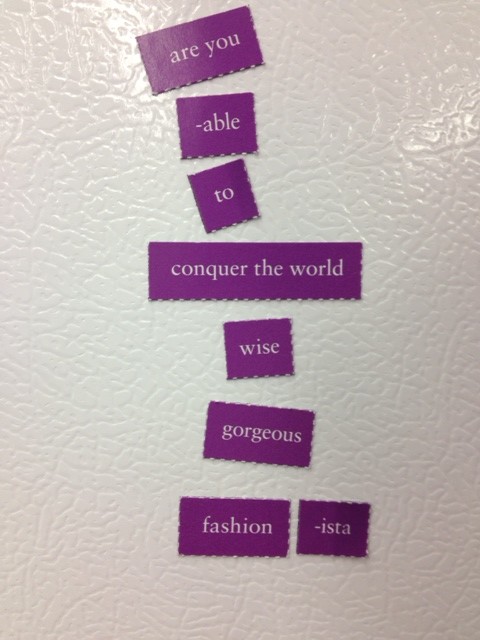
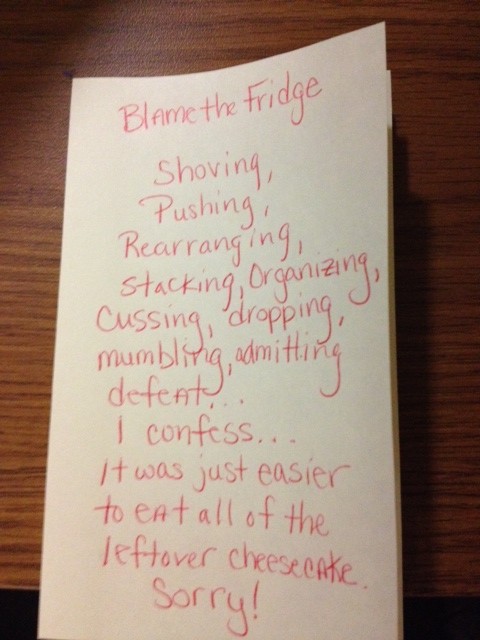
- Not sure that will work? Sneak the poems into their daily grind. Try loading up on some refrigerator magnet poetry. Leave messages on the fridge in poem form. Get the rest of the family to join in with funny verses, instructions for chores, or appointment times in haiku form. A new note everyday leaves kids wanting to check out the fridge and makes them feel included. If a kid assigns a warm, cozy feeling to poetry they are more likely to keep it close to their heart.
- Afraid your kids won’t find the fridge fun? No worries. What about texting them pictures of post-it note poetry or random poems you find that sound exactly like them? Perhaps they are the epitome of Sara Cynthia Stout who refused to take the garbage out (Silverstein). Maybe they just went through a horrible break-up or got their first zit. Just check the internet for poems about any topic or send them to YouTube. You can never go wrong with a text, nor with words that flatter them. Trust me.
- Think your son or daughter needs motivation to play the poetry game? Well, show ‘em the money, scholarships, and places on the internet they can submit their poems. Nothing like money and press to get kids involved.
- When all else fails, find some poems with innuendo or foul words and be sure to insist they don’t read it. They’ll be on it for sure.
And if none of that works, you can always go back to the tried and true “Do it because I said so!!” lol.
What methods can you recommend to encourage a love of poetry?
 As a self-proclaimed herder of kids, cattle, and words, Bolton Carley is a blogger, writer, teacher, and farmer’s daughter keen on finding the humorous side of life. Residing in Bellevue, Nebraska, Bolton Carley lives with her fabulous husband and laptop. She teaches middle school, enjoys photography, and loves all types of writing including chick lit, poetry, blogging, flash fiction.
Visit Bolton at her funny slice-of-life lessons blog, her poetry and photography blog, or her e-vice column. Readers can purchase her young adult verse novel, Hello, Summer Vacay! at www.amazon.com. Or catch all of her activities on Facebook or Twitter.