Welcome to Wondrous Words Wednesday, a great meme for learning vocabulary. Visit Kathy at bermudaonion.net to find more interesting words.
Today I’m guest posting at my friend Nicole’s blog, Work In Sweats Mama. Nicole is an avid runner and reader like me, but there’s one big way we differ.
She’s a Hokie. I’m a ‘Hoo.
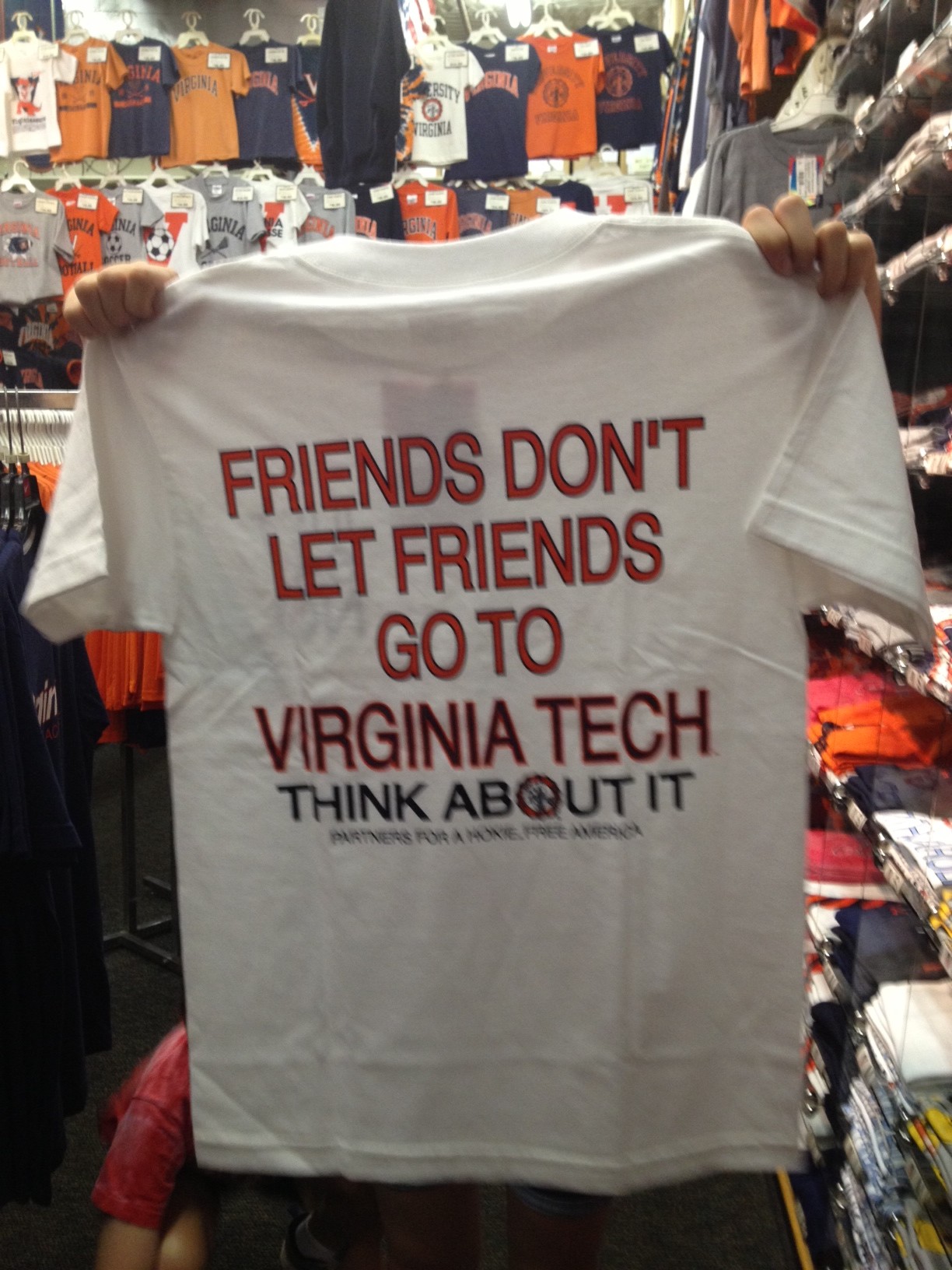
For those of you outside of Virginia, let me just say that the rivalry between the Hokies of Virginia Tech and the ‘Hoos of the University of Virginia is intense. Don’t believe me? Look at this:
I’m sure there are anti-Hoo t-shirts on the Tech campus, probably pegging all UVA students as snobby and stuck up. (Not true!)
For Wondrous Words, I did some research on Virginia mascots.
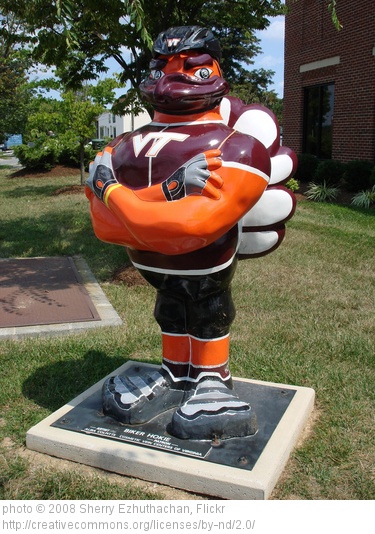
Hokie: a loyal Virginia Tech fan and the official mascot of Virginia Tech. Although the Hokie is now embodied as a turkey, the term originally came from a cheer written by senior O.M. Stull in 1896. The school was changing its name from Virginia Agricultural and Mechanical College to Virginia Polytechnic Institute and needed a new cheer, mascot, etc. Mr. Stull’s cheer began:
Hokie, Hokie, Hokie, Hy!
Tech, Tech, VPI
According to Tech’s website, the word Hokie had no significance other than to draw attention to the cheer.
‘Hoo: Short for “Wahoo”, the unofficial mascot for UVA. (Our official mascot is the Cavalier.) Some say that a Wahoo is a fish that can drink twice its own weight, a nod to our “party school” reputation. 😉 Another story says that Washington and Lee baseball fans dubbed the Virginia players “Wahoos” during the fiercely contested rivalry between the two in-state schools in the 1890s. Like “Hokie”, “Wahoo” is also part of an old school cheer:
Wahoowa Wahoowa
Uni-v Vir-gin-i-a!
I’m happy to say that I’ve overcome my aversion to all things Hokie. This is a good thing, since I live in southwest Virginia, the heart of Hokie Nation. My son plays soccer on a VT field, my daughter swims for H2okies (although she claims the claw on her suit gives her a rash 😉 ), and best of all, I’ve met wonderful Hokies like Kathy (our meme hostess) and Nicole.
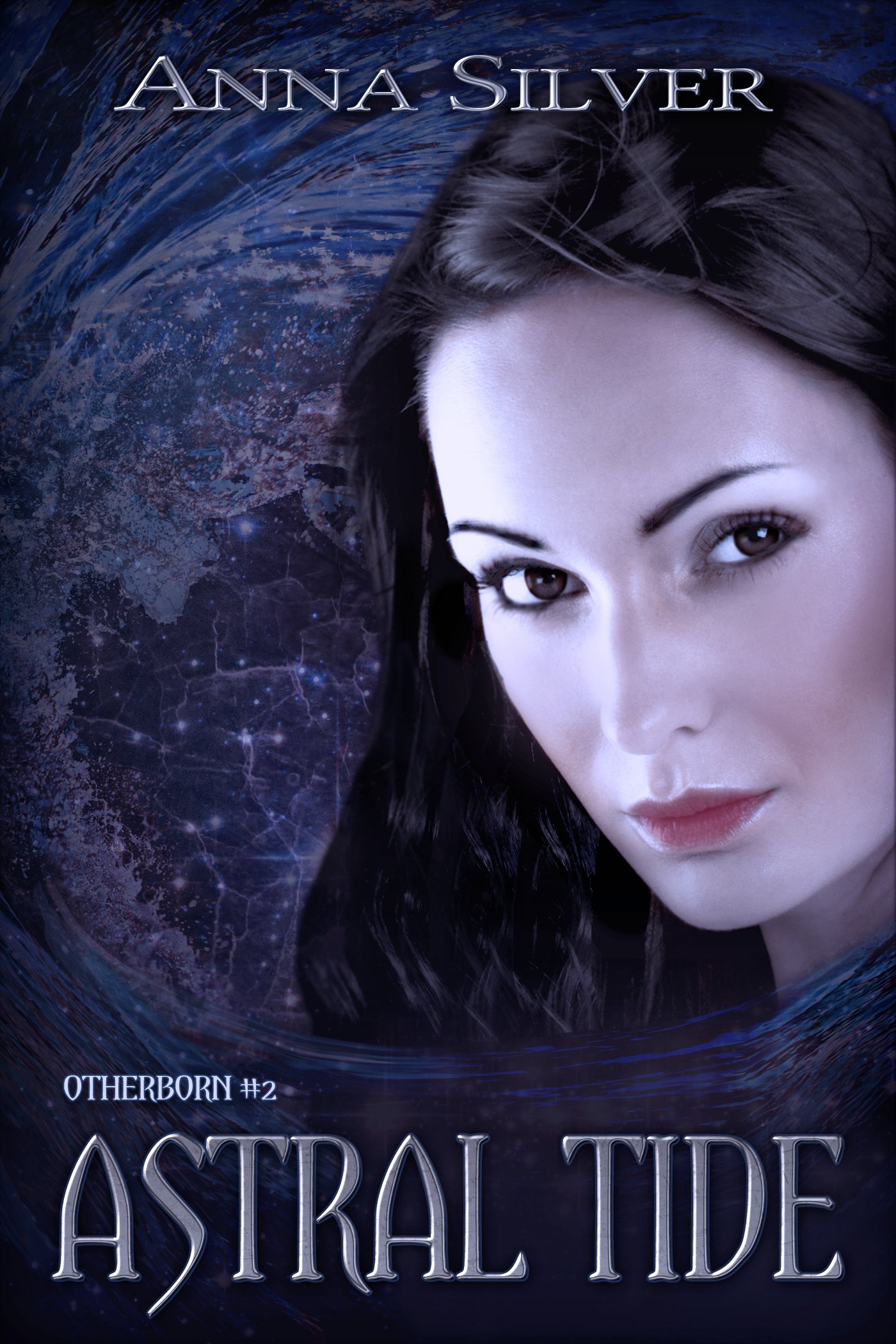
A few weeks ago, author Anna Silver visited my blog to explain how her young adult series Otherborn compares to other dystopian novels. Anna combines fantasy, science fiction, and dystopian elements to create a truly original world in the Otherborn series. (Actually, it’s two worlds!) I’m excited to announce that the second book in the series, Astral Tide, releases TODAY, February 28, 2014.
To give you a refresher on the Otherborn series, here’s a look into the story:
London and her friends are fugitives in a reprocessed world where anything New is illegal. But as Otherborn, they’re different. They can dream and create, which hasn’t gone unnoticed. After fleeing CapitalCity with an assassin on their heels, the Otherborn found nothing went according to plan. Now, they are down by two and on the run in the Outroads, but the Tycoons keep mysteriously gaining on them. And seven months later, London is no closer to her promise to go back for Rye, if there is anything left to go back for. But Zen is teaching London that there may be more to her heart than the pieces she left behind, and London can’t help but feel guilty about not looking back since they fled New Eden. Should she hold on to hope that Rye is more than just a memory, or embrace a new life and love with Zen?
Anna has shared an excerpt of AstralTide with us today. In this scene, London has returned to the Astral plane in a dream as her Other. As her powers to use the Astral grow, she struggles to come to terms with how it is changing her and blurring the lines between her waking self, London, and her dream self, Si’dah.
Around her, the green blades of grass began to run together, melting into a watery landscape to reflect her mood. The Astral was sulking like a scolded pet. If she didn’t watch it, she’d sink straight through to the Lowplane and have to wade her way through the marshes. These were setbacks she didn’t need.
In the time they’d recovered their memories and taken up training with Hantu-Degan, she’d become so intertwined with the Astral itself that she impacted it often when she didn’t want to. Hantu called it “warping”. It was a show of power, but also a display of how little control she had. What she needed to learn was how to help London pull the Astral into their world and shape it to fit their needs. Not how to warp the Astral planes like wet paint.
“I see something is on your mind.” Her teacher’s kind voice floated to her.
Si’dah looked up to see Hantu at her side. She never noticed his approach. He was good at that. “How can you tell?” she asked facetiously. This was London’s dour humor coming out in her.
Hantu smiled. “You are so much like one another now. It’s funny to think you were ever apart from her.”
Si’dah squinted into the distance where great walls of rock were springing up on the horizon, a spontaneous mountain range. “It gets harder to keep myself separate,” she said, and the mountains plummeted back into the ground of the Midplane, a cloud of dust rising in their stead.
Hantu was untroubled by this. “So don’t. Surrender to her, Si’dah. You are one now. Accept it.”
Si’dah sighed and looked at Hantu. His proud lines were forever changed by the Other’s presence. He no longer looked like the Hantu she knew, nor the Degan London had known, but an eerie combination of both. “As you have?”
“Yes,” he said. “You know that’s what’s holding you back. You must open yourself fully to London as she must open herself fully to you. For all your power here, for all your learning, you cannot bring that into her world until you drop the barriers you keep erecting.”
“I don’t want to lose myself…again.” It was the truth. Waking up to remember after sixteen years of forgetting was too hard on both of them. If she let go, would she slip away again? Disappear?
“You won’t,” Hantu assured her. “You can’t lose yourself in London because you are London. Just as you can’t lose yourself in the Astral, because you are the Astral. It is the fabric you are stitched from, understand?”She didn’t understand, but she was trying. She looked down to see her once stick-straight hair bunch into rippling waves. Si’dah gasped and they relaxed— some. Soon she would be like Hantu-Degan, a seamless blend of London and herself. Who knew where one began and the other ended?
Anna Silver is an author and artist living in the greater Houston area with her family, pets, and overactive imagination. She studied English Writing & Rhetoric at St. Edward’s University. Otherborn, her first published novel, has been featured on two of Amazon’s “Bestsellers” lists. She is represented by Rebecca Podos and Nicole LaBombard of Rees Literary Agency.
Welcome to Wondrous Words Wednesday! Get ready to learn something new, and perhaps get a little hungry. Visit Kathy at bermudaonion.net for more fun words.
This word nerd word was so interesting, my ten-year-old insisted on visiting the library to find it. He read Rebecca Stead’s middle grade novel Liar and Spy several months ago, and he couldn’t remember the word introduced in book for a special sense, a fifth taste. After a few seconds of hasty flipping in the juvenile fiction aisle, he found it: umami.
umami \ü-mā-mē\ noun; Japanese; a taste sensation that is meaty or savory and is produced by several amino acids and nucleotides
I’d never heard about this taste until reading Rebecca Stead’s novel. How about you?
Word Nerd Workout
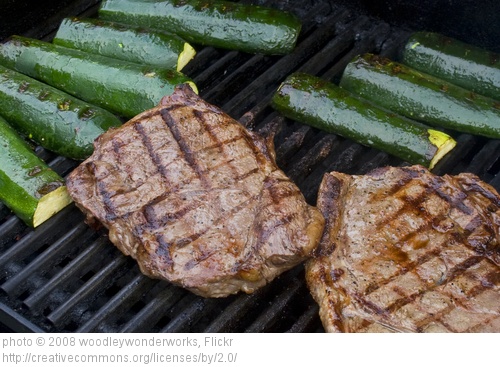
Can you think of food that fits this taste? I’m imagining grilled steak marinated in soy sauce. Hmm. Too bad it’s too cold to grill these days. Hopefully soon!
My book club is reading And the Mountains Echoed by Khaled Hosseini this month. I haven’t started yet, and I wanted a quick and economical way to get my hands on this book! So I browsed the e-book collection at my local library.
Sigh. The listings didn’t even include The Kite Runner, much less Hosseini’s newest book. In defense of my library, it is limited by dwindling funds from the state and restrictions from publishers. (See my post on the tenuous relationship between publishers and libraries.)
Most of the people I know get their e-books from Amazon, B & N, or the library. The library is obviously the cheapest option, but book selection can be dreadful. And e-books for Kindle or Nook cost at least $5 (Except for the classics! They’re a bargain!) The idea of having access to an UNLIMITED number of e-books for a reasonable monthly fee sounds tempting, doesn’t it?
Enter Scribd. It started in 2007 as a self-publishing site for professional papers that eventually included creative writing. In October 2013, Scribd partnered with HarperCollins Publishing to offer an e-book lending subscription service. The the developers of the updated Scribd site want it to be what Pandora is to music, or what Netflix is for movies and T.V. shows.
What you need to know about Scribd
Readers can start with a one month free trial.
A subscription costs $8.99 per month.
A subscription gives you access to an unlimited number of e-books, including books from the HarperCollins back list and “thousands” of best-sellers.
Scribd is compatable with any device that has a web browser, including computers, smart phones, and tablets. (This includes the Kindle Fire, since it is basically a tablet.)
It is NOT compatable with regular Kindles or Nooks.
Scribd offers you personalized suggestions to help you find new books and authors.
Sounds great, right? Well, I think it could be, if you don’t want new releases. When I browsed the site, I saw books like Bridge to Terebithia and Water for Elephants. These are wonderful novels, but not new releases.
I didn’t register for the free trial; something told me that I wouldn’t find And the Mountains Echoed at Scribd.
Where do you get your e-books? Have you ever tried a subscription service like Scribd? How did it work for you?
Click the link below to spread the word about Scribd:
Welcome to Wondrous Words Wednesday, an awesome meme for word nerds hosted by Kathy at Bermudaonion.net. Join the fun- share a new word you learned this week.
My entry isn’t exactly a word. But after I heard my 13-year-old son use “uber” for the hundredth time, I decided we needed to clarify the meaning.
“My hair is ubershort now,” my son said upon leaving the barber shop.
“Do you even know what that word means?” I asked.
“It’s not a word, it’s a prefix,” he said.
What an ubernerd. 😉
Uber \’ü-bər\ German, from über, meaning over or beyond; being a superlative example of its kind or class; to an extreme or excessive degree; super
My ubercool photo of uberimpressive lava rock formations on Maui.
Word Nerd Workout
Use uber in a sentence. Or, if you’re like my friend Kristen and you’re sick of hearing this prefix, share a more creative or original way to describe something as “superlative or extreme.”
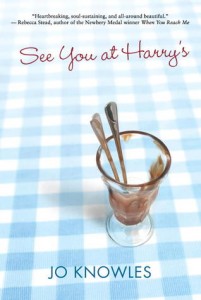
When I find a beautifully written piece of kid lit, I have to share it. And Valentine’s Day is the perfect time to tell you about the bittersweet middle grade novel, See You At Harry’s, by Jo Knowles.
My daughter actually suggested See You At Harry’s. She found it at her middle school book fair and read it to me during our swim meet road trips. That’s right, she read to me. It was a great way to enjoy a book together, except she kept rolling her eyes when I cried, because See You At Harry’s has some very sad spots.
The Premise
Twelve year old Fern feels lost in her “crazy” family. Her father spends all his energy on the family restaurant business, and her mother often disappears to meditate.
Fern’s older sister, Sara, is distant, while her older brother Holden struggles with his sexual identity. And then there’s Fern’s baby brother Charlie, always ready to poke her with a sticky finger.
Fern laments her status this way:
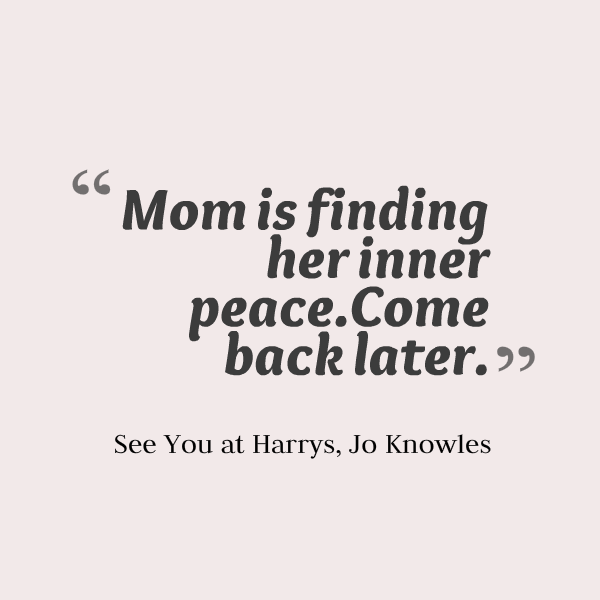
For someone who is invisible, why am I the only one in this family who can’t seem to master the art of disappearing?
Doesn’t every twelve-year-old feel like this sometimes?
When tragedy strikes, Fern and her family must learn how to pull together in the face of a terrible loss.
What I love about See You at Harry’s
Jo Knowles skillfully and sensitively tackles lots of “coming of age” issues in her novel: grief, loss, insecurity, and love. She shows Fern’s emotions with simple yet vivid detail, and there were several passages where I had to sigh with admiration at the beauty of her writing. Like this one:
[Mom} holds me against her chest and rocks me back and forth. It feels so strange at first. She doesn’t smell like I remember. And my face doesn’t reach the part of her body it used to when she would hold me like this. I know it’s because I’m bigger now, but to me it feels like she is smaller.
What a beautiful way to describe how Fern has “grown up”, without using tired cliché and symbolism. This passage made me sniffle; my children are all starting to get taller than me, and it signifies so much more than height. My daughter heaved an exasperated sigh when she saw the tears on my cheeks.
“Really mom, this isn’t even the sad part.”
But she doesn’t know what I know.
Another great thing about the novel are the characters. Fern has a great bond with her brother Holden, but their relationship gets tested as he explores adult issues. Fern also has a wonderful best friend, Ran, a boy who was bullied in elementary school and who calms Fern with the motto “All will be well.” Because of his experiences, Ran likes to figure out the “why” behind people’s actions, even when they are mean.
More of us need to be like Ran.
A few caveats
See You at Harry’s deals with some mature issues, including death and homosexuality. These were great discussion points for my daughter and I as we covered the miles to Knoxville and D.C., but might not be suitable for younger readers.
If you liked the novel Wonder, by R.J. Palacio, I think you’ll enjoy See You at Harry’s.
Have you read See You at Harry’s? What did you think? Can you recommend another middle grade novel in the spirit of Harry’s or Wonder?
 Welcome to Wondrous Words Wednesday, a great meme for learning vocabulary. Visit Kathy at bermudaonion.net to find more interesting words.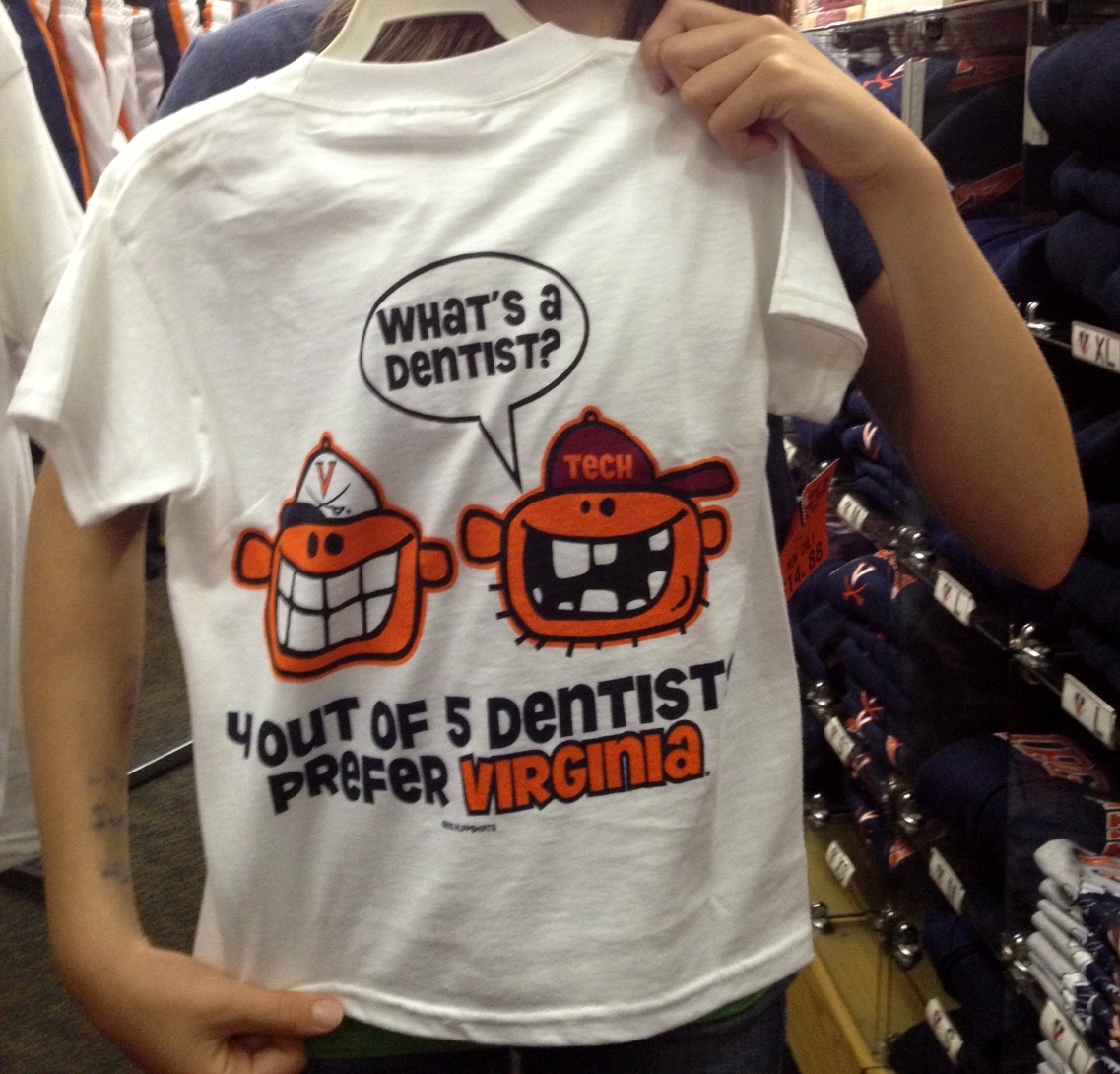
 Hokie: a loyal Virginia Tech fan and the official mascot of Virginia Tech. Although the Hokie is now embodied as a turkey, the term originally came from a cheer written by senior O.M. Stull in 1896. The school was changing its name from Virginia Agricultural and Mechanical College to Virginia Polytechnic Institute and needed a new cheer, mascot, etc. Mr. Stull’s cheer began: