Why you should try the new Connections game from the NYT

It’s been a sad and scary week. News out of the Middle East has everyone concerned. So today I’d like to help you focus on something small that you have control over: a new way to exercise your mind with the Connections game.

Daughter and I gave up on Wordle months ago. We agreed it relied more on probability than word or language skills. So we’ve been focusing any brain game time we have on the NYT mini crossword. Short, fun, and yet still stimulating. (I did the regular crossword once while I was stuck in bed with COVID. Whew, that’s a 45 minute time commitment I won’t make on normal days.)

While daughter was home last week for fall break, she showed me the newest game on the NYT site- Connections. I love it! And I thought my fellow word nerds might too

How to play Connections
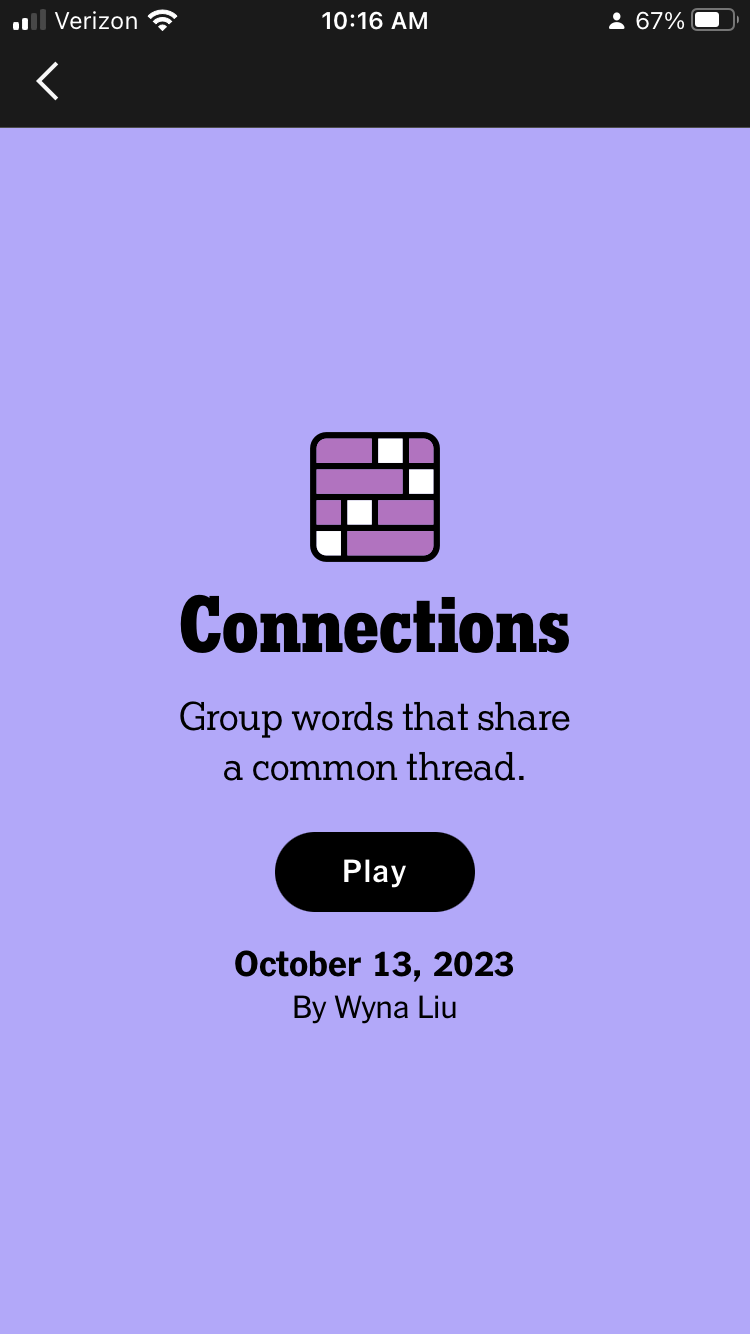
You can find the game in the “play” section of the NYT website or the mobile app. Upon opening the game, you will see a matrix of 16 words. To play, you select four words that you think are related. Sometimes it can be about their meaning, (ways to conceal something: hide, cover, block, etc. Sometimes it has to do with the letters in the word, like palindromes (e.g. Otto, Hannah, Nan.)

After you submit your four words, the game will let you know if you’ve found an appropriate group. Sometimes it gives you hints like , “one off.” It will label the group for you; you don’t have to submit that par. Usually I find three that fit a group I’ve determined in my head, but not a fourth, and that’s when the flexible thinking has to start. I have to move beyond my first guesses and assumptions and brainstorm other ways these random words might be connected.

Why it’s important

Sure, my favorite color is purple, but that’s not why I like this game. I love it because it encourages creative thinking and imagination beyond quick solutions. It’s a perfect micro practice for asking “what am I missing here?” and “what am I not thinking about?” Lately, I’ve been trying to do that more often IRL, striving to see the connections between people and their opinions and actions, and challenging myself to explore what might not be obvious at first.

We all could use a little practice in making connections. This simple, yet often challenging, word game is good practice for something to generalize to more important situations.

By the way, I also like Spelling Bee.

My mother in law plays a lot of word games, including full sized crosswords. Daughter and I marvel at skills in coming up with words. Nana likes to play these games to keep her mind sharp, and we think she’s doing an awesome job.

What apps/ puzzles do you use to exercise your mind? Please share. (Word nerdy ideas are of course preferred, but we will be open to math based puzzles. 😉 )

Thanks for getting nerdy with me!
Scary trend: Book challenges causing more self-censorship  

Banned Books Week graphic

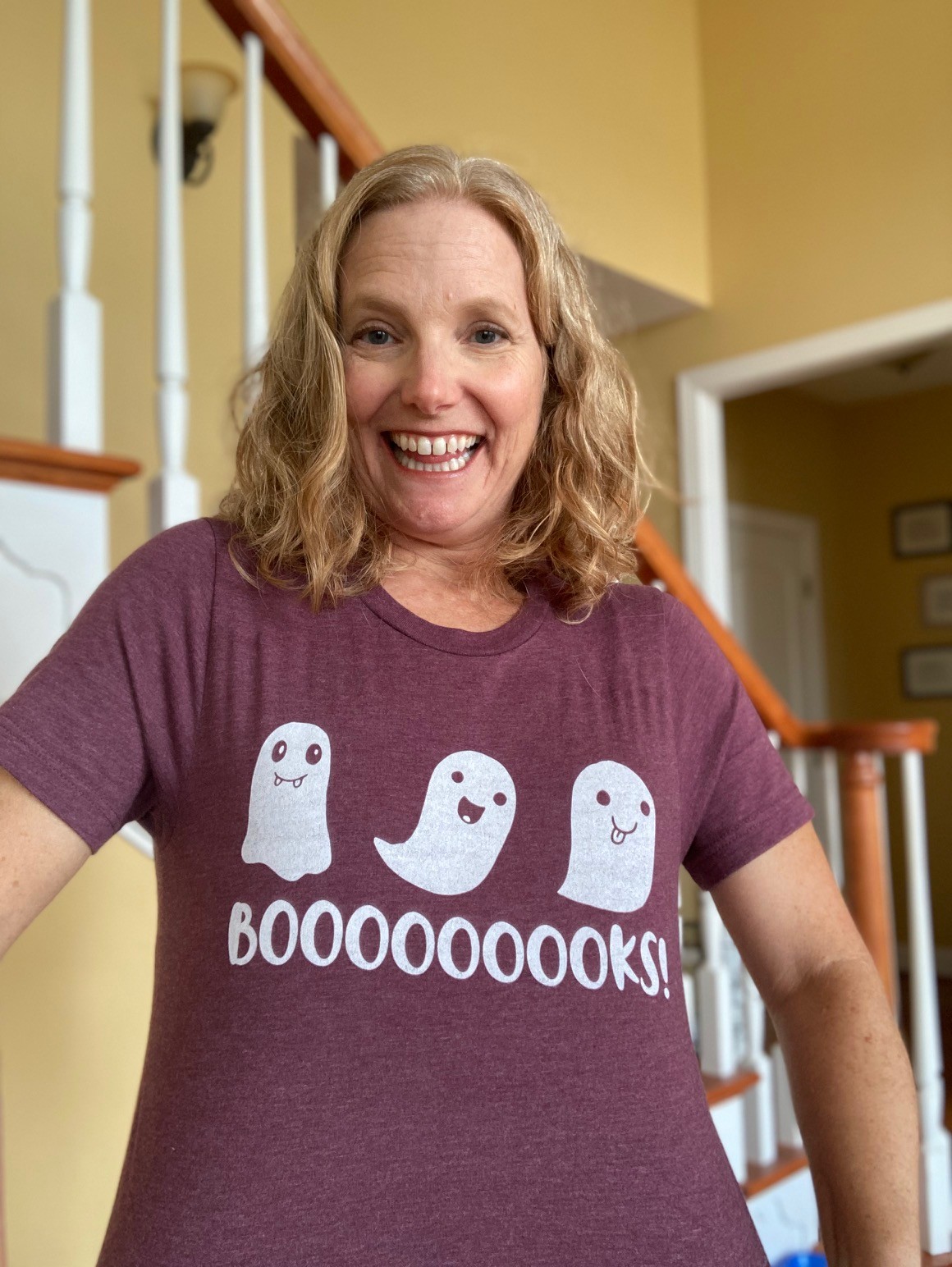
My fav new fall t-shirt is from Piper and Ivy. It’s comfy, comes in warm autumn shades, and sports a great logo for October… a subtle nod to Banned Books Week.

This fall t-shirt was made for the Word Nerd! 🙂

Across the country, people are talking more about books, which should make this Word Nerd happy. Except, much of the talk centers around banning and challenging books, and librarians are getting uncomfortable. This makes me sad.

Some data on book challenges

In September, 2023, the American Library Association (ALA) Office of Intellectual Freedom (OIA) released challenge numbers for January through August 2023. In just eight months, there were 695 attempts to censor library materials and 1915 challenges to unique titles. That challenge number is up 20% from the same eight months in 2022.

The ALA is also seeing more challenges to multiple titles at once. In 2022 and 2023, nine out of ten books challenged were part of an effort to remove multiple books at once. Instances of challenges to 100 or more titles at the same time was reported in 11 states between January and August 2023. Such instances only occurred in six states in 2022 and in ZERO states in 2021.

The School Library Journal’s 2023 Controversial Books Survey also reveals concerning trends. Over 700 school librarians in the US responded to the survey, and according to the results, challenges aren’t just happening in school libraries. Forty-seven percent of documented challenges were for books in PUBLIC LIBRARIES, up from just 16% in the 2022 survey.

Self-censorship: : the act or action of refraining from expressing something (such as a thought, point of view, or belief) that others could deem objectionable

Merriam-Webster

The survey also exposes increasing tendencies toward self-censorship. Thirty percent of challenges in 2023 led to the removal of materials from libraries, up from 19% in 2022. Librarians who responded to the survey said the choose not to buy controversial materials because they don’t want trouble. One quarter of respondents reported getting harassed either online or in person. One was accosted by a parent in the school library without school administration’s knowledge. Another librarian was called a pedophile on social media. Please note, a pedophile is one who engages in sexual acts with a prepubescent child. This has nothing to do with books. This label is used carelessly these days, and it’s harming the lives of innocent people and chipping away at our freedoms.

So far in 2023, 1 in 4 librarians have reported being harassed

What I’m experiencing in Virginia

Challenges to books are up in my home state of Virginia. Last year, a state senator introduced a bill which required the Virginia Department of Education to develop model policies regarding instructional material with sexually explicit content. Because of that, a new system is in place to notify parents of about class materials and give them the option to choose alternative assignments for their children.

I’m shocked to say, my little school division was ahead of the curve on this. Six years ago, when my son’s 8th grade English teacher taught a unit on Flowers for Algernon, the teacher sent home a letter explaining that the book contained sexually explicit scenes. She gave parents the option to have their students study a different story. This approach, allowing opt outs for classroom materials, seems reasonable to me.

However, problems exist even with these guidelines. For example, in an article Kaiana Lee wrote for the Capital News Service, the president of the Virginia Association of School Librarians, Nathan Sekinger, said the standards for sexually explicit content include sexual arousal or interest in dating. That would eliminate any book with romance. As one who has drafted two young adult manuscripts, I can tell you romance is essential to many books for teens.  

A good friend serves as the librarian for one of our local middle schools. Last spring, because of the rise in book challenges, her principal asked her to read and review all 7000+ titles in her library. Over 7000 books! As an already overworked educator, my friend was saddened and frustrated by this requirement. There was also no way she could actually meet it.  

According the article by Lee, Sekinger said that libraries already have VDOE guidelines to determine if books are age appropriate for school libraries. Systems exist to protect children, and librarians deserve more respect.

On the positive side, I learned some school districts in my state are revamping guidelines to challenge books. New requirements indicate that a person challenging a book must read the book they are challenging, and they must also have a child in the school system.

My thoughts as a parent

I recently served as a parent member of a book review committee for my child’s high school. A single member of the community, who does not have children in our schools, challenged ten books. The committee divided up the books and read them to prepare for a discussion. During the meeting, it was obvious that the challenger had not read a single one of the books. She had pages of notes from websites citing objectionable phrases or scenes but no knowledge of the plot, themes, characters, or messages of the books she was complaining about.

All of the books stayed in the high school library, with the assurance from the librarian that she would address controversial material with students upon check out. The sad fact was not many of the contested books contested had even been checked out in that school year.

Here’s the thing. I am/ was a strict parent. I had voracious readers who were capable of reading content well beyond their age levels, and I paid close attention to what they read. There were books I made them wait to read until they were older because I was concerned about violence and sexual content. My kids still laugh at me for making them wait to read the later Harry Potter books until they were out of second grade. When they did read controversial books, we discussed them.

I fully believe it’s a parent’s right, and responsibility, to know what their kids are reading. It’s also a parent’s right to limit what content their children consume. I was more strict than most. But I would never, ever, tell another person how to parent their child or what to allow them to read.  That’s an individual choice. That’s freedom to parent.

How are you experiencing book challenges and bans where you live?

Happy Banned Books Week! Learn more about frequently challenged books at the American Library Association site!

How to pronounce Appalachia, from one who lives here

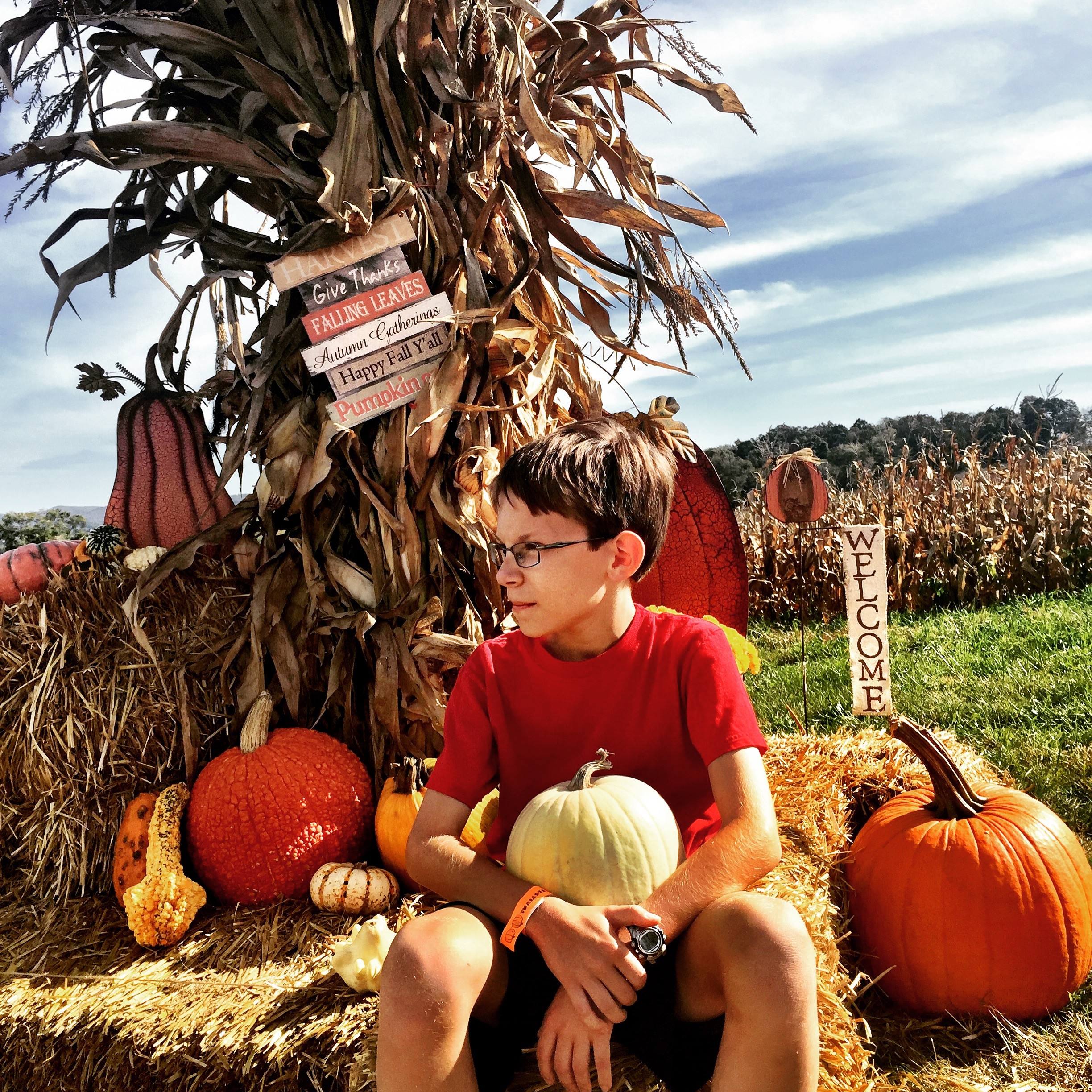
I’ve lived in Appalachia for over 20 years. As the fall season begins, I’d like to share some pictures, descriptions, and most importantly, the correct way to pronounce the name for this special part of the United States.

The Appalachian Region

According to the Appalachian Regional Commission, the Appalachian region follows the Appalachian Mountains over 13 states. It extends from southern New York state down to northern Mississippi. I live smack in the middle of that range, in southwest Virginia, close to the borders of West Virginia, Kentucky, Tennessee, and North Carolina. My county hovers right on the tip of the area the ARC describes as “economically distressed.”

While I realize the official designation of “Appalachia” covers 13 states, I think of Appalachian culture as centered closest to me, in this intersection of KY, NC, TN, and VA, where coal mines once prospered and the mountains add beauty and texture to the region.

What you should know about Appalachia

Appalachia gets a lot of negative press. People from the region are often characterized as simple, poor, and backwards. Jokes about inter-family marriage and mingling abound. Unfortunately, poverty runs rampant, evident in dilapidated trailer homes and crumbling clapboard houses tucked inside mountain hollows. (Or, “hollers,” as they say around here. At a recent school board meeting, the assistant superintendent noted that based on data from the 2021 Census, the number of economically disadvantaged students in Wythe County jumped from 55% to 87%. All school lunches are free here, because the number of kids who qualify is so high. I see a lot of need, every day.

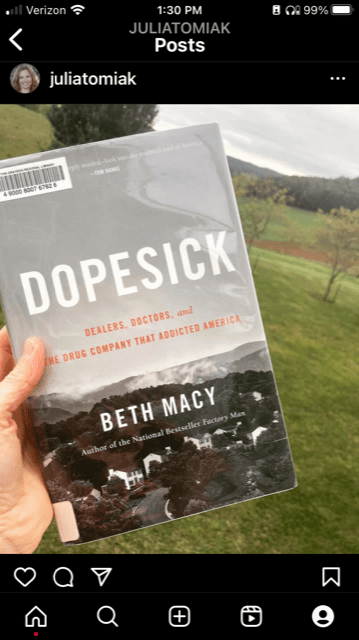
In Dopesick, Beth Macy shares horrifying insights about the opioid epidemic, how it started, and how it affects the lives of the people it touches.

Reading Demon Copperhead, by Barbara Kingsolver, and Dopesick, by Beth Macy, gave me better appreciation for the challenges of the Appalachian region. It has been plagued by prejudice and lack of support services for decades. Drug abuse, poor access to health and dental care, and limited education burden the area.

But don’t let the depressing themes of Dopesick fool you. There are plenty of good things going on in Appalachia. Every year, during every season, the natural beauty never fails to amaze. I live between the Appalachian and the Blue Ridge Mountains, and I try my best to capture the blazing fall display of leaves in photographs, but they are never as impressive as the real thing. Perhaps that’s because the pictures don’t include the scent of burning word, or the crackle of crisp leaves underfoot, or the brisk touch of the air.

People matter here in my corner of Appalachia. When someone is sick, when a home catches fire, the community rallies in a way I never experienced in suburbia. If you walk around town, you can expect the people you pass to wave or say hello, even if you don’t know them. The pace of life hear runs dramatically slower than in the city. And sometimes that’s nice. Come September, local farms prepare for harvest festivals, while church congregations gather for entire Saturdays to make apple butter, apple sauce, and apple cider.

People love the land, and they spend lots of time outdoors, gardening, farming, hunting, and fishing. On the first official day of hunting season, half of the kids are absent from the high schools and middle schools. They are out with their families, hunting deer.

We get excited about fall here in Appalachia!

Music carries special importance here, and The Crooked Road Music Trail celebrates the rich music tradition in the southwest Virginia mountains. Appalachian music mixes old time string bands, a capella gospel, blues, ballads, and bluegrass.

Last weekend, our newly renovated theater, The Millwald, on Main Street, hosted a celebration of Appalachian Culture with the first Apple Atcha Fest. The three day event featured writers, musicians, and artisans from the Appalachian region. Author Silas House met with local high school juniors to discuss writing. Story teller Bill Lepp entertained elementary school students with his humor.

How to pronounce Appalachia

And so we get to perhaps the most important part of this post. How to properly, like a native Appalachian, say “Appalachia.” The branding of the Apple Atcha Fest made it very clear:

Don’t forget ‘If you’re missay’n Appalachia, we’ll throw an Apple Atcha!

So, now you know. Think APPLE and ATCHA.

What can you add about Appalachia? Have you ever visited or lived here?

Thanks for getting nerdy with me!
Learn more about immigration from Sanctuary

I read books, fiction and non-fiction, to understand this world better. Lately, I’ve been thinking a lot about immigration and the complicated policies and problems around it. To learn more about, I recently read Sanctuary, written by Paula Mendoza and Abby Sher. Since today kicks off National Hispanic Heritage Month, I thought I’d do my part to promote awareness of Hispanic culture. National Hispanic Heritage month runs every year from September 15 to October 15.

Premise

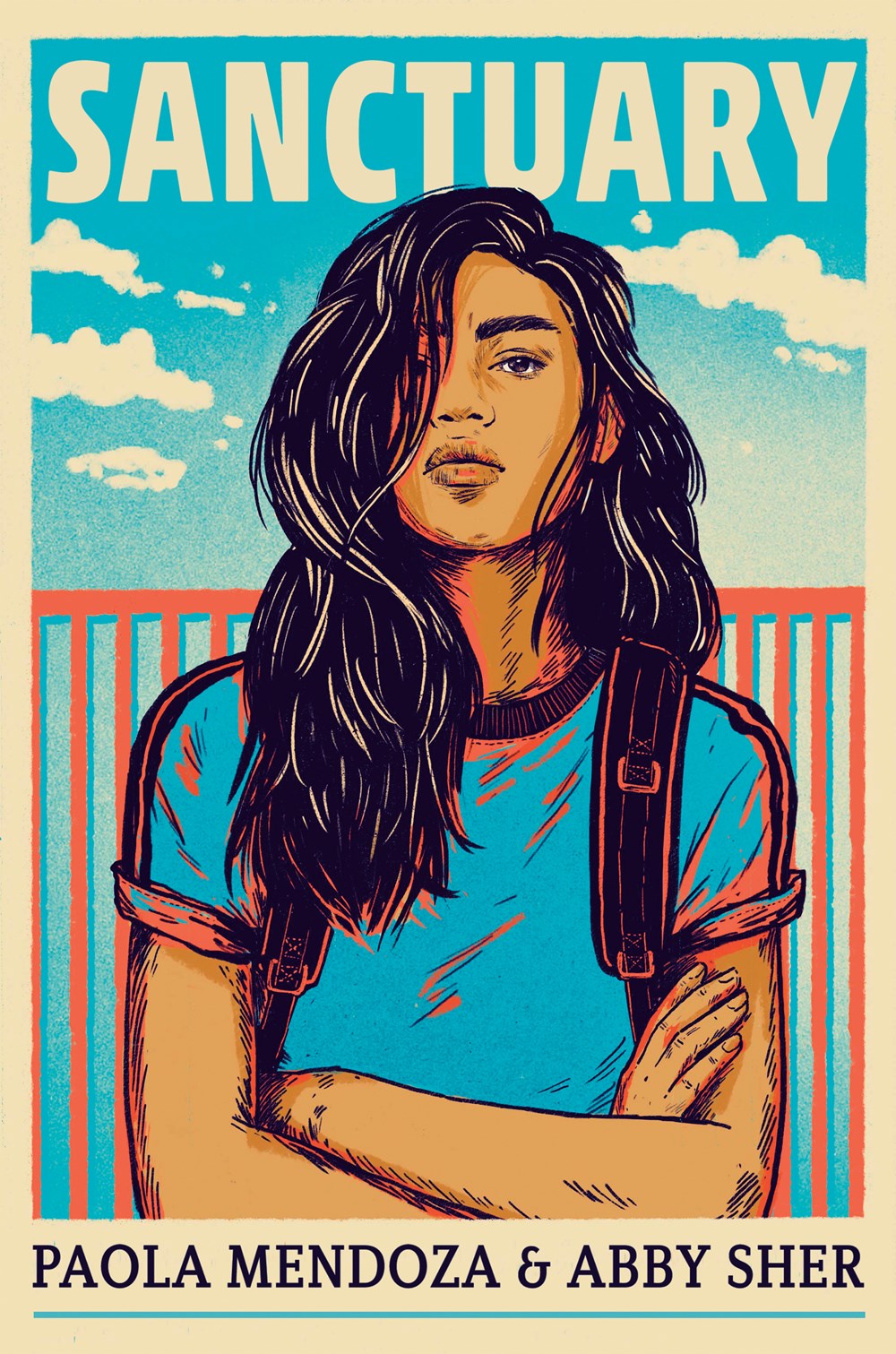
Book cover of Sanctuary

Sanctuary tells the story of 16 year old Vali, her little brother, and their desperate journey to find a safe place to live. The story takes place in a future United States where the President speaks to the public at random via hologram, and all documented citizens have scannable chips implanted in their wrists. Vali’s family immigrated to Vermont, USA to escape war and corruption. They do not have documentation, and in the recent past, Vali’s father was discovered, deported, and murdered in his home country.

As anti immigrant policy escalates, Vali’s mother prepares to move the family from Vermont across the country to California to live with Vali’s aunt, her Tia Luna. But the trip will be fraught with danger. Vali’s little brother, born in the US, has a valid citizen chip implanted in his wrist. Vali and her mother have fake chips that sometimes work and sometimes don’t.  Undocumented citizens found via chip scan are vulnerable to physical and sexual abuse, brutal forced labor, and death. When Vali’s mother fails to pass a chip scan at a bus station, she urges her children to run without her. Vali and her brother must travel alone to California with hardly any food and the Deportation Forces following close behind.

What I liked

Although it is set in a future dystopian world, the themes of Sanctuary feel real and concerning. I can see how, gone unchecked, current anti immigrant fear and propaganda could lead America into a future like the one imagined by Sanctuary‘s authors, activist Paola Mendoza and YA author Abby Sher.  Reading Vali’s story made me more empathetic to the plight and fear of undocumented immigrants and how unwelcoming our country could feel. The themes and characters of Sanctuary reminded me a lot of Octavia Butler’s Parable of the Sower, and I would describe Sanctuary as a YA parallel of Butler’s work. Sanctuary has some violence, but not as much as Parable of the Sower. The prose is not nearly as beautiful as Butler’s, however.

Vali is a compelling main character. She repeatedly demonstrates courage and initiative as she leads herself and her brother on a dangerous journey. She drove me to keep reading the book, and I wanted to see her finish her mission successfully.

What I didn’t like

The writing is basic and put me off initially. I almost set the book down because I found the prose clunky and uninspired. But the plot picked up, and I got pulled into the journey of Vali and her desperate struggle to find safety. It was a quick read.

Word Nerd Recommendation

While the writing of Sanctuary isn’t stellar, the themes and perspectives it offers makes it a worthwhile read, especially for teens and those interested in understanding more about the multifaceted issues surrounding immigration. Sanctuary put me into the worn, dirty shoes of Vali and people like her. The novel made me realize just how unsafe and undervalued immigrants might feel in our country, even today.

Sanctuary has mild violence, including scenes of children being shot and an attempted rape.

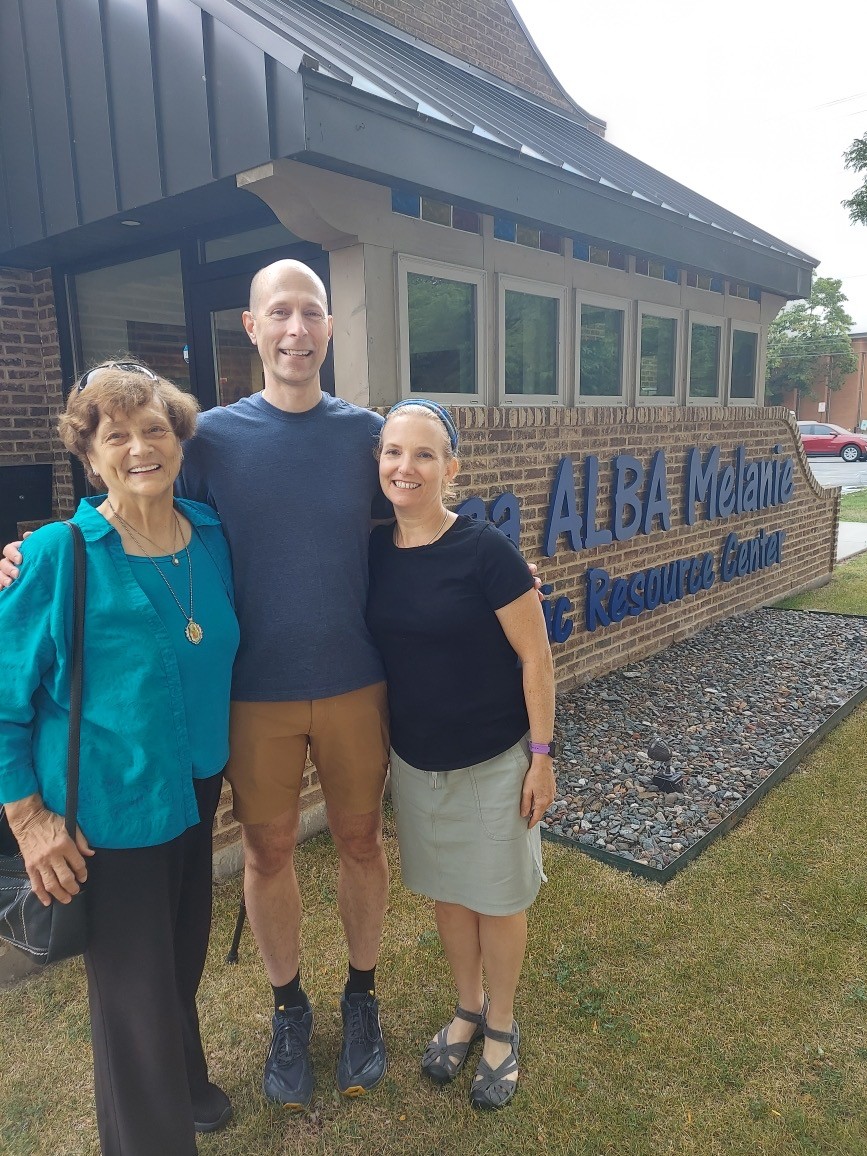
Sister Melanie, hubby, and me at Casa ALBA Melanie, a Hispanic resource center in Green Bay, WI

I read Sanctuary before visiting my (husband’s) great aunt Melanie in Green Bay, Wisconsin. She’s a retired Catholic nun who has dedicated years of her life to helping the Hispanic community in Green Bay. In 2012, Melanie helped establish a resource center for Hispanics called Casa ALBA Melanie. Casa ALBA roughly translates from Spanish to “House of New Hope”. Alba means “dawn.” It also is an acronym for Association for Latino Well-Being and Assistance.”

Casa ALBA helps Hispanics find health care, offers a preschool or “escuelita” for young children, and provides legal advice, among many other things. Speaking with Melanie and the Hispanics who work so hard to support their community deepened my understanding of the challenges immigrants face. It also filled me with hope that we can work together to find viable solutions. The tagline for Casa Alba is “Love Lives Here.” What a wonderful antidote to the fear and hate described in Sanctuary.

Have you read Sanctuary? What did you think? Can you recommend other books that explore issues related to immigration?

Thanks for getting nerdy with me!
We need to rethink labor this Labor Day

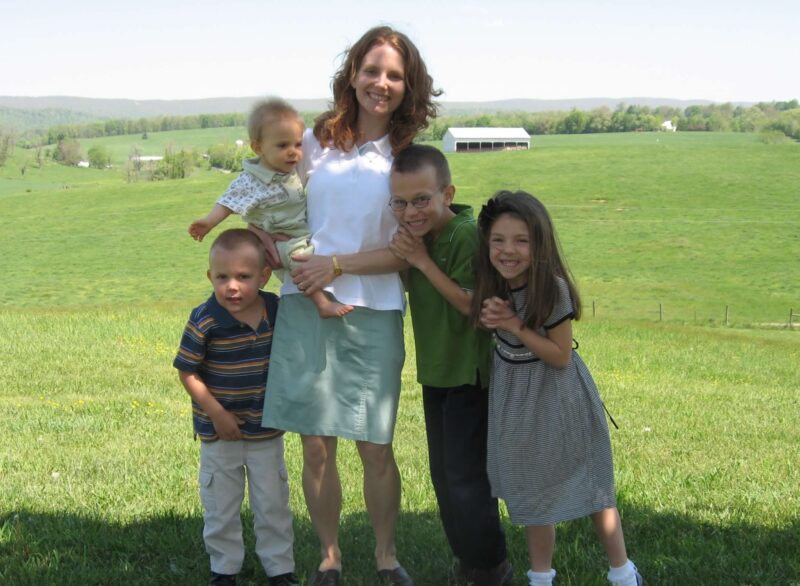
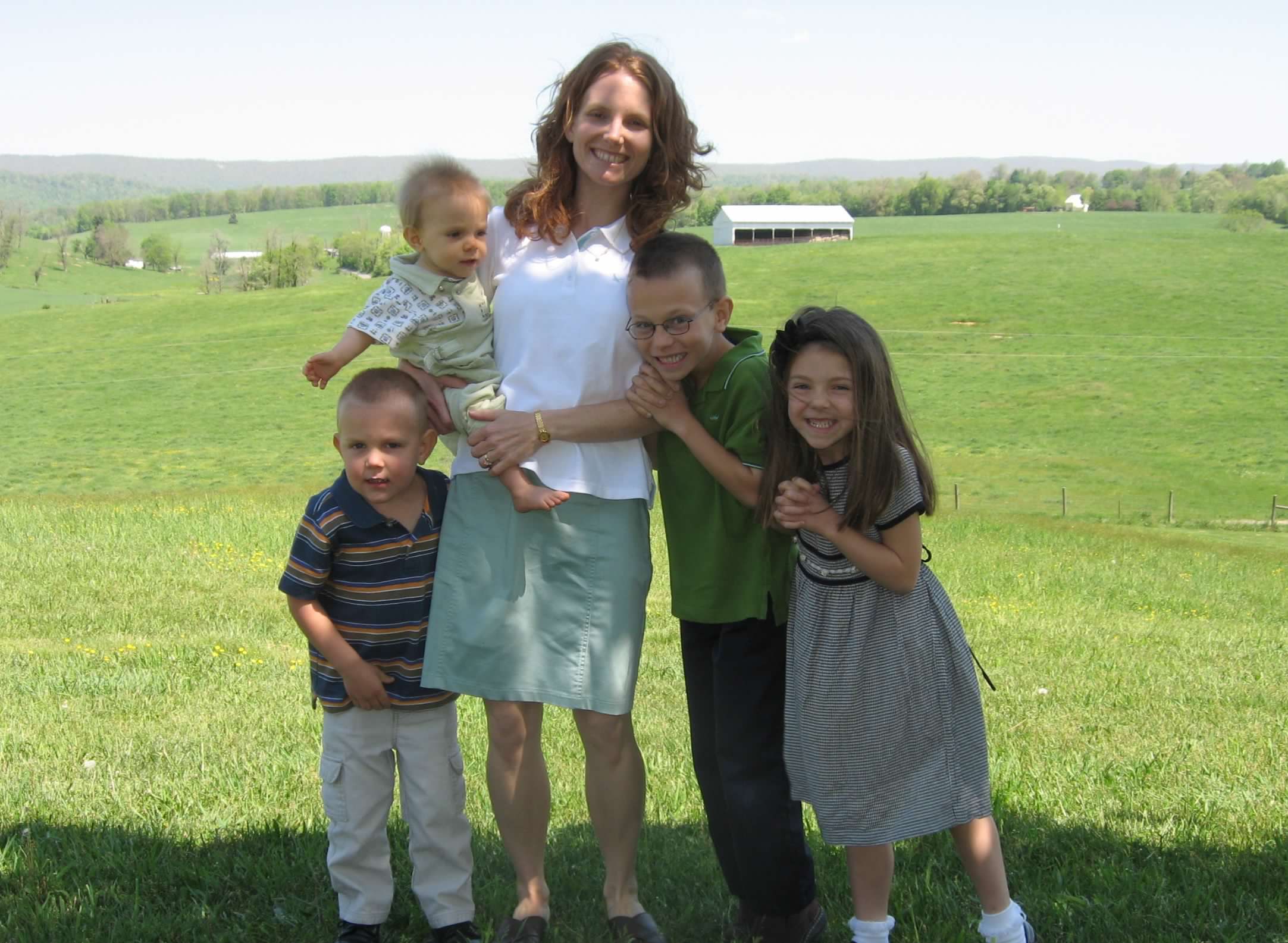
Picture of a mom and four kids
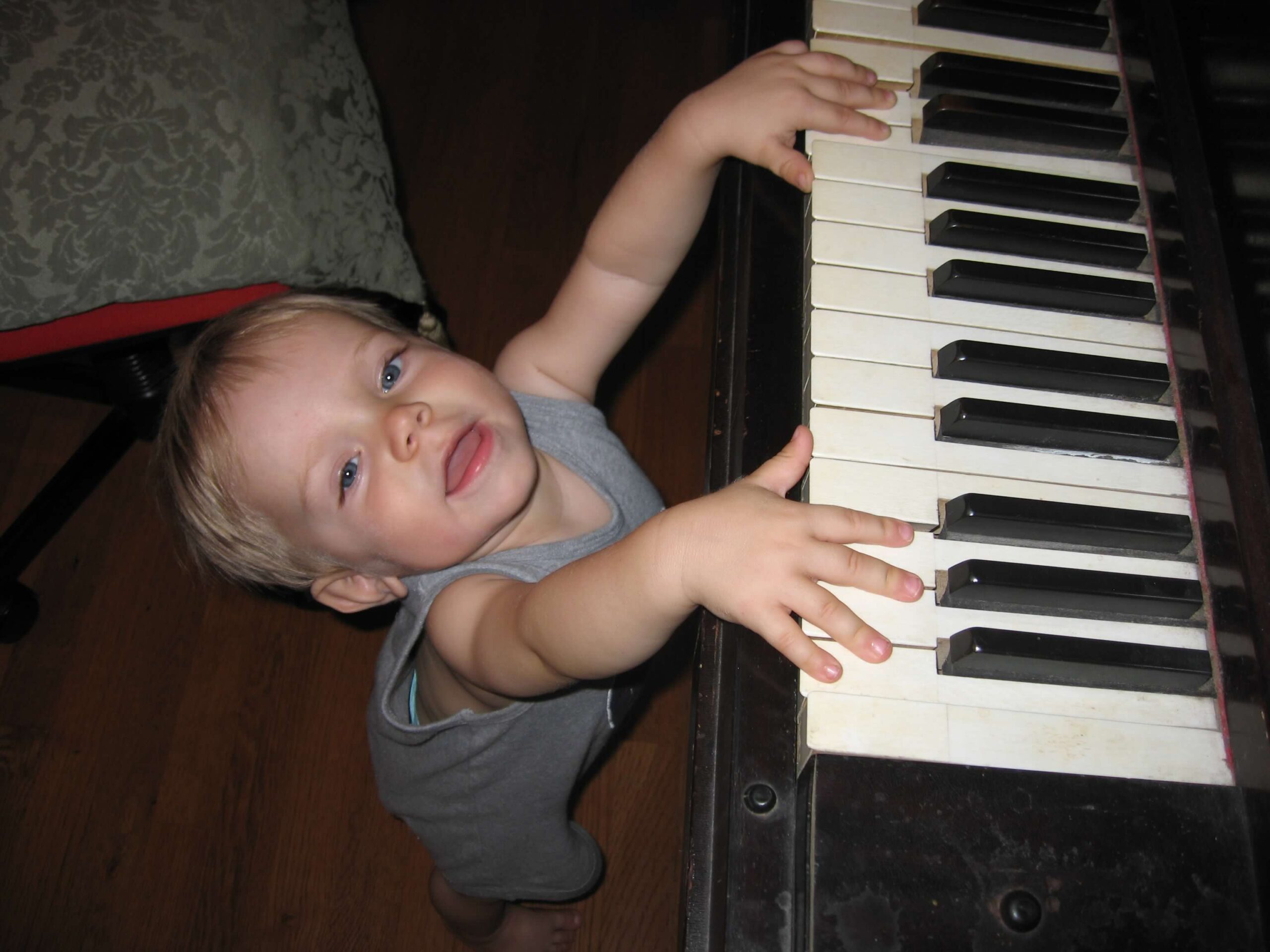
My Labor Day baby. His playing is much better now!

Seventeen years ago today, also a Labor Day, I gave birth to my fourth and last child. The irony that I “labored on Labor Day” was not lost on anyone, especially not me. On this Labor Day, as I rapidly approach a new season of life when mothering will not occupy the majority of my days, I’ve thought a lot about the labor of parenting, specifically motherhood, and what our society says about its value.

Yesterday in church, my pastor encouraged us to take pride in our work, to dedicate our labor to the glory of God. I’m embarrassed to say that for many years, my labor as a mother did nothing to bring God glory.

I started my years of mothering working part time as a pediatric physical therapist. That included dropping babies at day care, pumping breast milk in uncomfortable places (like the car of the PTA, a male, who I worked with), and feeling like I didn’t do either job, PT or mom, well. After child number two had several ear infections and horrible reactions to antibiotics, I decided to stay home full time. My daughter’s ear infections went away, and I went on to have two more children. With no family nearby, and a husband working a job that demanded much of his time and energy, I understood that staying home was the best thing for my growing family. I also truly believed it was God’s plan for me.  However, I didn’t always embrace this plan for my labor with grace.

In 2007, the kids were 7, 5, 3, and 9 months. And I was tired!

For the first 17 years of laboring as a mother, I wrestled with an exhausting variety of emotions. Insecurity- that I had no “street value”, that if something happened to my husband, I could not financially provide for our family. Insignificance – that as a woman without a career title or initials behind her name, I didn’t have value in our society. Resentment – that I had earned two master’s degrees and was using them to meal prep, chauffeur, and wash clothing. I loved my children dearly, but was often exhausted, frustrated, and angry.

This was exemplified best when, upon giving my 14-year-old some suggestions for managing a sports injury, he said, “You’re not a PT mom. You don’t work.” He was just being a sullen 14-year-old who didn’t appreciate unsolicited parental advice. I received it as an attack on my self-worth and promptly burst into tears.

In dark moments, I even went so far as to judge women who worked full time. How did they expect to discipline their children, feed them nutritious meals, and keep the house clean and organized while still working 40 hours a week?

Thank goodness, about six years ago, I realized a few critical things about the labor of mothering. First, it was the best thing for me, considering my personality, mental health, resources, and goals for my children. Second, it was a privilege to mother full time, one that many parents do not have, because my husband made enough money to support our family.  Third, the labor of parenting, looks different for every family, based on their needs and circumstances. These days I accept more and more that there is NO one “right” way to do things. We are all just doing the best we can where we are. I have been immensely happy since this realization. And I see in my relationships with my children, and theirs with each other, the valuable fruit of my years of labor.

I wish my personal epiphany about labor would be reflected in how our entire society thinks about Labor. Since the pandemic, traditions and attitudes about work have been challenged, and that’s a good thing. The great reshuffling and the dramatic changes to the labor market and how it functions are prompting useful discussions. President Grover Cleveland established Labor Day as a national holiday in 1894. It came as a reaction to the Industrial Revolution and the poor working conditions many American laborers found themselves in.

Over 100 years after the first official Labor Day, we need to use this post pandemic Labor Day to reflect and revise how we think about labor. Is the 40-hour work week necessary? Must workers be in the office every day all day? How can we be more flexible with scheduling and expectations to accommodate and support parents? How can we place more value on service careers like health care, education, and safety? How can we appropriately acknowledge and reward labor?  Teachers, nurses, police, and firemen perform some of the most critical services to keep our society on its feet, and yet we often reward their labor with little respect, increasing responsibility, and poor pay.

This Labor Day, we need to do more than grill burgers and enjoy the last day at the pool. We need to think about how to take proactive steps to reinvent how we think about labor so that all Americans can be happier, more fulfilled, and more appreciated for the work they do.

And for all the mamas out there, don’t succumb to guilt, insecurity, or resentment like I did. Do your best, and that will look different for each of you.

Thanks for getting thoughtful with me.

Why I love The Lincoln Highway

My book club read The Lincoln Highway by Amor Towles earlier this year, but I passed it up because I was in the middle of something else. Also, if I’m going to be honest, I found another one of his books, A Gentleman in Moscow, to be interesting but slow. However, my book club raved about The Lincoln Highway, so when I saw it on sale at Barnes and Noble, I picked it up. Wow, am I glad I did.

Premise

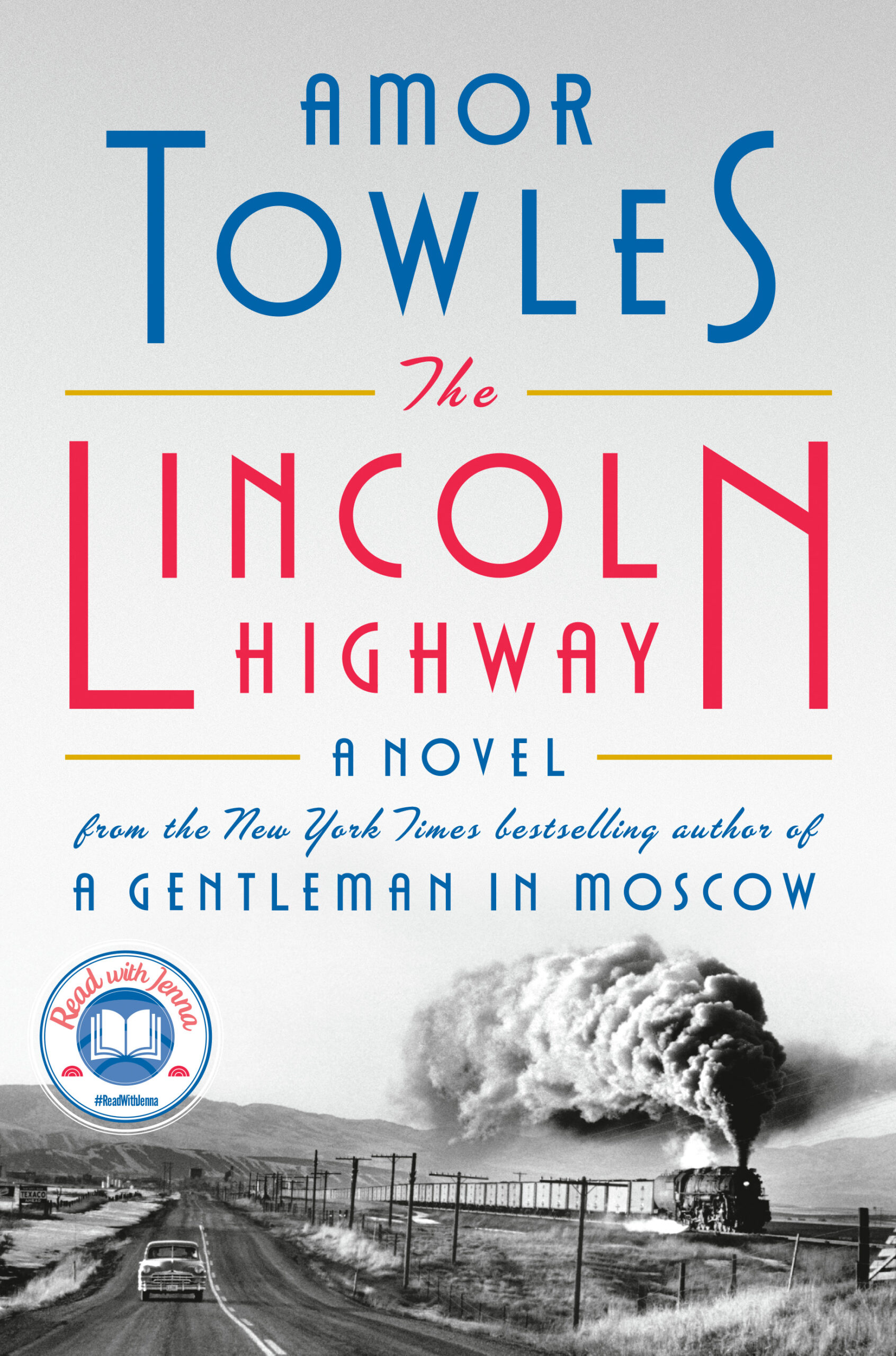
Book cover of The Lincoln Highway

In The Lincoln Highway, Towles (anyone know how to pronounce this last name?) gives readers a refreshing, thoughtful, and entertaining interpretation of The Hero’s Journey. The novel opens with Emmett Watson in 1950s Nebraska, riding home in the warden’s car after completing a stint at a work camp for young men. Emmett’s father has died and his first act as a free man is to sign over the family farm to the bank. This could be a terribly sad situation, but Emmett, and his little brother Billy, don’t want to stay on the farm. They have their eyes set on California and are eager to start a new life.

Enter Duchess and Woolly, two of Emmett’s “friends” from the work camp who stowed away in the warden’s trunk.

What I liked

One chapter in, and I was committed to The Lincoln Highway. Towles deftly plants many questions, keeping readers hooked. (Why was Emmett at the work camp? What are Duchess and Woolly up to? You know it can’t be good. WHY are their names Duchess and Wooley? Where is Emmett’s mother?) Using multiple points of view, Towles follows the Watson boys on quite an adventure that does not lead them to California, but instead to New York City and the beginning of The Lincoln Highway. (It’s supposedly a real thing.)

Towles also gives readers a fascinating cast of characters, from the precocious nine-year-old Billy, to the sassy and stubborn Sally, to the self-absorbed and impulsive Duchess. Each POV brings new insight into the events of the story, and each has a distinct voice. Duchess frustrated me throughout the novel. He makes terrible decisions with little regard for how they will affect other people. And yet, I found his voice the most entertaining. Here’s a sample:

After getting Billy to write out a shopping list of all the ingredients we would need, we were off to Arthur Avenue, driving at a speed of three hundred questions an hour.

  • -What’s Arthur Avenue, Duchess?
  • It’s the main drag in the Italian section of the Bronx, Billy
  • -What’s an Italian section?
  • -It’s where all the Italian’s live.
  • -Why do all the Italians live in one place?
  • -So they can mind each other’s business.

Towles arranges words with a refreshing and beautiful style. I wish I had highlighted every passage I found particularly eloquent – the pages of my copy of The Lincoln Highway would be quite colorful!

The theme of The Hero’s Journey shines through not only in the plot points of the novel. Throughout the journey, Billie totes around a large book on classic heroes – Ulysses, Achilles, etc. What he learns and admires about the heroes in the book underscores what we learn about the characters in The Lincoln Highway and helps us think about whether or not they qualify as heroes. The Lincoln Highway explores human nature, specifically our ability to break away from our personal history to become better. It also encourages readers to think about how and why people see things differently.

What I didn’t like

I mean, I didn’t often like Duchess, but I don’t think I’m supposed to. He’s the kind of character who elicits irritation and compassion at the same time, and that takes talent from the author. Truly. The Lincoln Highway gets a five star rating from me.

Recommendation

If you like historical fiction or literary fiction that explores human nature, or if you enjoy a good Hero’s Journey, try The Lincoln Highway.

Have you read The Lincoln Highway? What did you think? Does anyone have any thoughts on what is going on with Woolly? I was trying to diagnose him the entire book, which maybe says something about me.

Thanks for getting nerdy with me!