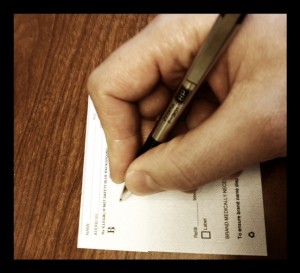
Doctors Prescribe Books to Help Their Patients!

PrescriptionsA New Treatment Strategy in England

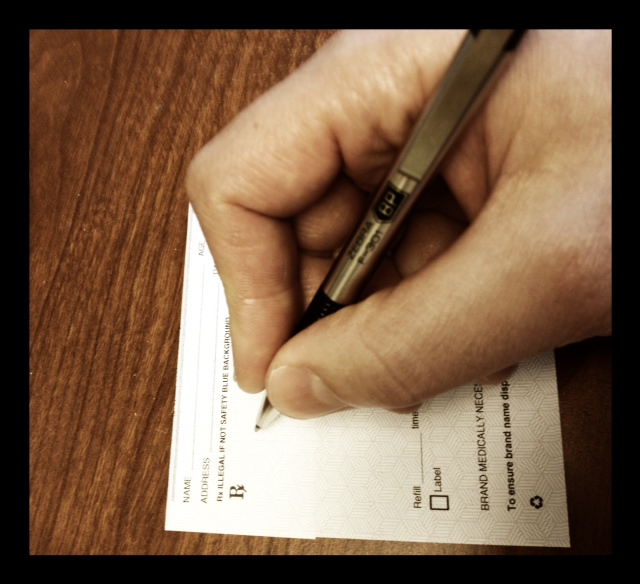
I’ve always believed in the power of books, and if you’re here reading, you probably do too.  We’re not alone.  Doctors in England will soon be “prescribing” books to their patients to treat mild to moderate mental illness!

According to a recent article in the The Guardiana British charity called The Reading Agency has developed a plan to link doctors, libraries, and books.  The program targets people who have mild to moderate problems with :

  • depression
  • anxiety
  • anger
  • eating disorders
  • panic attacks
  • phobias
  • self-esteem
  • worry
  • obsessions and compulsions

Organizers argue that with the plethora of self-help titles out there (Amazon sells over 250,000), it’s hard to find the right one.  Doctors will get a list of thirty books, including The Feeling Good Handbook and How to Stop Worrying, that they can recommend to patients.

Similar programs already exist in Wales, Denmark, and New Zealand.

Could bibliotherapy work in America?

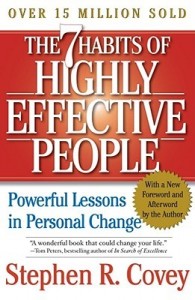
I’m all about self-help, and have read many such books.  My favorites: The Seven Habits of The Seven Habits of HighlyHighly Effective People, Simple Abundance, and Unglued.  I avoid taking medication, a habit I have picked up from my husband, a physician. Ironic, I know, but he’s seen first hand that every medicine has a side effect.  (Note, that new Jude Law movie takes this notion to the extreme).
So I applaud The Reading Agency, and think we should try a similar program here too.  It could decrease health care costs and get everyone reading more.  As a bonus, it could give libraries a crucial new role in society, thereby securing a necessary position in a world where printed media seems to be disappearing.

But a lot of Americans like quick fixes.  They want their problems solved with a pill.  Or better yet, a chocolate shake.  (Think Slim Fast)  What would happen to the doctor who suggested a book to his anxious patient seeking “a nerve pill”?  My guess?  That patient would walk out the door and find the next doctor willing to write a script for Xanax.

And of course The Guardian article, The Reading Agency, and I acknowledge that some patients need more than just a book for treatment.  But wouldn’t it be nice if reading could help lots of people?

How do you think a program like this would be received in America?  What self-help books have been beneficial to you?

Share your thoughts in the comments, and thanks for stopping by.

You can receive regular updates from my blog by signing up in the top right corner to receive posts via e-mail or RSS feed.

Julia 
 

Vocabulary from “A Good American”: Elegiac

wondrous memeWelcome to the Wondrous Words Wednesday meme hosted by bermudaonion.net.  Join me as I share a word from my current read and learn a few more from other bloggers!

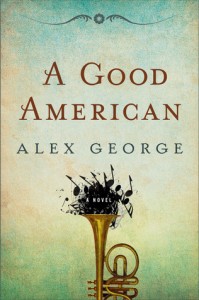
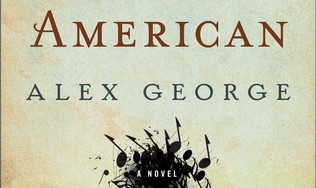
My book club has started A Good American by Alex George.  An epic tale, it begins at the turn of the 20th  century, with two German immigrants who escape from disapproving family by fleeing to America.  I’m not too far in yet, but the cover tells me that the novel explores what it means to be a “Good American”, and how it feels to be an outsider in your town, your country, and even your own family.

Music weaves itself throughout the narrative, as noted in the opening line of the novel:

Always, there was music.

Here’s a new word I found:

They sang … maudlin songs of love, and sentimental ballads about the land they left behind.  The words rose up to the ceiling, joyful and elegiac.

elegiac \,el-ə-‘jī-ək\ also \i-‘lē-jē-,ak\ adj from Greek elegos, song of mourning ; of relating to, GoodAmerican.inddor comprising an elegy, especially expressing sorrow often for something now past.

[Note: there was also a cryptic reference to a specific form of Greek poetry involving dactylic hexameter lines and “arses”.  I didn’t think that applied here…]

Word Nerd Workout

Think of an elegiac song or poem, something that captures what this word means.

For example:

I love how S. E. Hinton incorporated the elegiac poem Nothing Gold Can Stay by Robert Frost into her book The Outsiders. 


Thanks for playing, and I hope you learn some great words today!  A few weeks ago, I picked up a fun new expression with this meme:  Don’t get in a swivet!

Julia

Favorite Author Spotlight: John Green

John GreenHave you heard of John Green?  Young adult author and leader of Nerdfighters everywhere?  Let me introduce you.

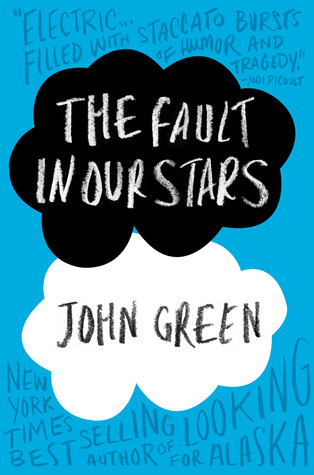
John Green has published five YA novels.  His latest, The Fault in Our Stars, has earned critical praise, commercial success, and the Goodreads Choice Award for 2012 for YA fiction.  Fox 2000 also plans to make it into a movie.

I cannot stop raving about The Fault in Our Stars, even though I sobbed for two days after I read it.  (I know, I’m sensitive, but you’d really have to be a Grinch not to shed one tear.)  My book club will read this 21st century romantic tragedy in April, and I can’t wait to discuss it.  Expect to find a “What Makes a Great Character” post that month!

Five great things about John Green’s novels

John Green writes realistic fiction.  No vampires, witches, or magic.  And yet, his books captivate millions of readers and many critics.  Here’s why I enjoy them:

  • big questions Green’s books tackle deep questions, like “What mark will I leave on the TFIOSworld?” or “Am I more than just my reputation?”
  • humor  Green balances the intense philosophical stuff with humor.  His characters exchange witty dialogue and embark on hilarious adventures.  While reading Paper Towns late one night, I literally shook my bed with giggling and earned a glare from my (trying to sleep) husband.
  • references to great literature and poetry  His characters discuss works like “The Love Song of J. Alfred Prufrock” and “Leaves of Grass” and their significance in modern lives.
  • nerdiness  Green’s characters often are smart and introspective.  A little on the geeky side.  I love that.  (See title of this blog.)
  • unique voice  Many of his protagonists are male, which is unusual for YA fiction.  All of them bring a quirky and interesting perspective to the narrative.

Besides having tons of readers who follow him, John Green also has a huge online audience via:

  • The VlogBrothers You Tube channel:  John and his brother Hank post videos about things like Internet Addiction and Football for Nerds.  (Did you know that only 11% of a televised football game actually shows the players playing?  See Hank’s breakdown for more details…)
  • The Crash Course! You Tube channel:  John and Hank post instructional videos on literature, ecology, history, and other subjects.  More fun than those high school videos you watch(ed).
  • The Nerdfighters Website and Community: Over 80,000 members gather to “increase awesome and decrease suck”.  You can find chats, forums, videos, and book bloggers all dedicated to celebrating nerdiness.
  • An active Twitter account.  Quick!  See his tweets about President Obama and the penny!

With his books and his videos, John Green has made geekiness cool.  How can this word nerd NOT love him?

Have you read any of John Green’s books?  What did you think?  Who are your favorite YA authors and why?

Thanks for adding to the discussion.  Now go be awesome!

Julia 

Vocabulary for Ash Wednesday: Venial

Wondrous Words Wednesday

wondrous memeWelcome to Wondrous Words Wednesday, a meme hosted by Kathy at bermudaonion.net. Join me in learning some cool new words.

It’s also Ash Wednesday, the beginning of Lent, a season of contemplation and spiritual growth.  How fitting that my word today is venial.

I actually came across it in the Nov/Dec issue of Writer’s Digest in an article about character motivation.

… some villains have unchanging personalities but changing motivations.  They start out venial, greedy, evil, or destructive…

As a Catholic, I’ve heard this term while discussing sin, but I never expected to find it used to describe character.  Here’s some info from Webster’s:

venial \’vē-nē-əl\ adj from Latin venia favor, pardon; akin to Latin venus, love; of a kind that can be remitted: forgivable, pardonable, venial faults 

This helps explain venial sin: noun; a sin committed without full reflection or consent that does not deprive the soul of sanctifying grace.

So, when I lost my temper and yelled at my kids to get out the door this morning?  That was a venial sin. Forgivable.  Well, at least I hope my children think so.

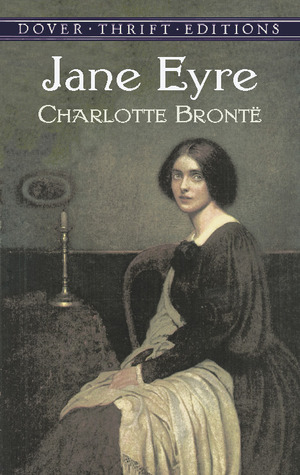
 Word Nerd WorkoutJane Eyre cover

Think of a venial fault in one of your favorite characters; write a sentence about it.  For example:

Jane patiently endured Mr. Rochester’s venial and unpredictable shifts in temper.

Your turn!  Good luck.

Other Word Nerd Words

Click on the words below to learn more!

Thanks for stopping by!

Julia

How Do E Readers Influence Reading Habits?

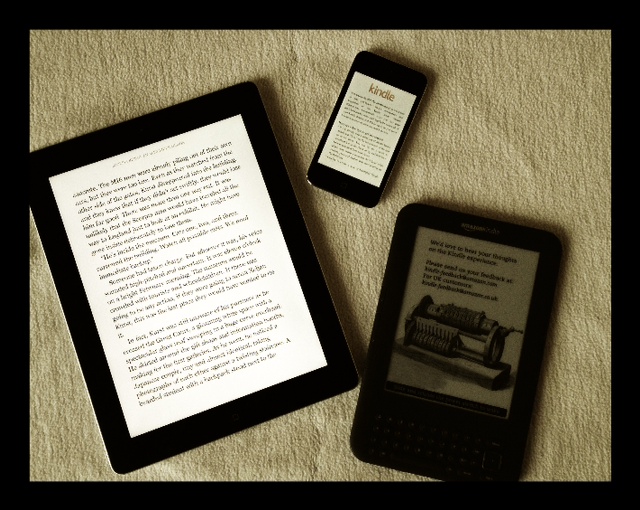
E readersLast year I bought my husband, a very non-English major type, a Kindle.  He hardly ever read before that.  Television used to be his entertainment of choice before bed.

Now, guess what?  He reads every night before turning out the light.  “Has to” so he can sleep.  Of course, lately he’s been reading a borrowed set of Game of Thrones books not on his Kindle.  But he’s reading.


And he’s got the Kindle app on his iPhone, so he can pull up an e-book anytime, anywhere.  Like when he’s stuck waiting for soccer practice to finish.

I love that he’s reading more.  But is he the norm?  Or the exception?

According to study results posted by the Pew Internet and American Life Project in April of 2012, Americans are reading more with e-readers.  Since you probably don’t have time to read the full report, let me sum up:

  • people who used e-readers read more books in all formats (print, e-book, etc)
  • 43% of those who used e-readers reported spending more time reading, especially men under age 50 (Ah ha!  See note above about husband, who fits this demographic!)
  • E-reader device owners were more likely to buy books, particularly e books (Good news for the industry, bad news for bookstores.)
  • Readers preferred e-reading devices for convenience, but they liked printed books for reading to kids and sharing with others.

It looks like many Americans, and not just my hubby, are spending more time reading because of e readers.  Yay!

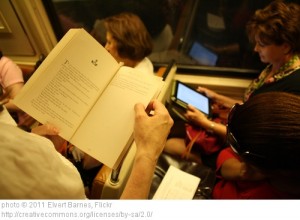
People Reading

Now think about this.  Amy Gahran, in a CNN article on the Pew Research made an interesting suggestion: e readers will ultimately make books more accessible to all Americans.

Huh?  I’ve always worried about e readers preventing the poor or the disabled from having access to books.

But Ms. Gahran pointed out that e readers keep getting cheaper.  They also allow users to change fonts (think enlarge) and utilize text to speech functions.  E readers can break down the barriers of vision impairment, age, and illiteracy.

Pretty cool.

I saw a funny graphic on Facebook this morning- it said we’re going to have to come up with a new phrase for fast paced books.  “A page turner” may soon sound archaic!

Do you think e readers will ultimately promote more literacy in our society?  

How about kids and e -readers-  do you think they read more because they can use the little electronic devices permanently attached to their hands? 

I can’t wait to hear your thoughts!  Thanks for stopping by, and happy reading!

Julia 

Vocabulary from A Thousand Acres: Collude

Wondrous Words Wednesday

Welcome to the Wondrous Words Wednesday meme, hosted by Bermudaonion.net.  It’s a wondrous memechance to learn some new vocabulary or refresh your memory.

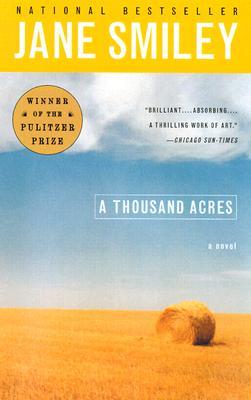
This will be my last entry from A Thousand Acres, a retelling of Shakespeare’s King Lear, set in an American farming community in the 1970s.  In the novel, as in the play, sisters conspire and agendas collide.

Caroline acted in another play in her sophomore year, The Crucible… She squirmed away from having [Daddy] watch her… she said it was a kind of superstition, the kind you get with baseball players.  I colluded.

I guessed that colluded probably meant “agreed”, but when I looked it up (so easy on the Kindle), I found it had a more sinister connotation.

collude \kə-‘lüd\ verb from Latin com +ludere to play; to conspire or plot for a harmful purpose

So it wasn’t that the protagonist simply agreed with Caroline; she also helped her deceive her father.

Word Nerd Workout

A Thousand Acres

Think of some of your favorite characters and write a sentence about them conspiring.  For example:

Butler colluded with Artemis to capture the fairy and steal her gold.

Your turn, and thanks for stopping by!

More Word Nerd Words

Click on the words below to expand your vocab even more!

Nacent

Limpid

Vertiginous

Julia