I love to find proof that reading is good for your brain. A new study suggests that reading literary fiction can improve one’s ability to interpret the emotional state of other people.
Pretty cool, huh? Word nerds are so perceptive.
The difference between literary fiction and genre fiction
Let me clarify some terms.
Genre fiction describes books that fall into easily recognized categories: mystery, thriller,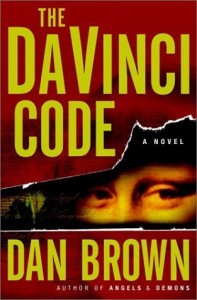 romance, etc. Usually, genre books emphasize plot over character development. These are the “page turners” one can find on best seller lists by authors like James Patterson, John Grisham, and Gillian Flynn. Think The Firm or The DaVinci Code.
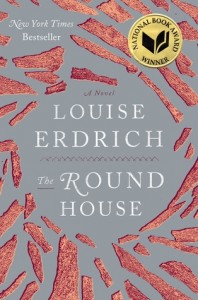
In contrast, literary fiction emphasizes the internal life of characters and is usually described as “thought-provoking,” or “challenging.” Some examples of literary fiction include Peace Like a River or The Round House. Books selected for the National Book Award and other honors usually fall under literary fiction. These books have themes, motifs and symbolism that word nerds like me love to analyze and discuss. This is where my English major blood shows.
Note: In the current publishing climate, the lines between literary fiction and genre fiction are getting blurry. For the study, literary fiction pieces were taking from National Book Award nominees; genre fiction samples came from the Amazon best seller list.
The study
Two researchers from The New School for Social Research did a study to see how reading literary fiction affected participants’ “Theory of MInd”– the social skill of understanding the mental state of others.
Participants in the study were divided into three groups. Each group read pieces from one of three categories: genre fiction, literary fiction, and non-fiction. Afterward, the participants took tests to evaluate their “Theory of Mind” abilities, and the people who read literary fiction performed best on the tests.
The researchers surmised that since literary fiction requires readers to engage intellectually with the material, it stimulates better cognition and perception.
What does this mean for word nerds?
The press release from The New School for Social Research didn’t say how many people participated in the study or exactly which evaluation tools were used. Even if these results aren’t conclusive, I love that they demonstrate how reading can do more than just entertain. I’ve always thought that books improve our ability to relate to others and to experience the world around us. Now there’s a bit of evidence to prove it.
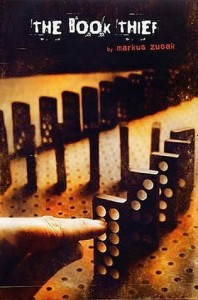
I enjoy all kinds of books: classics, literary fiction, and genre. (OK, I admit that I struggle with non-fiction.) Usually, I prefer novels that get me thinking. This great line from The Book Thief, by Markus Zusak, has stuck with me for days:
People observe the colors of a day only at its beginnings and ends, but to me it’s quite clear that a day merges through a multitude of shades and intonations, with each passing moment.
Wow. These words have inspired me to look for the colors of my days. I’m not sure if The Book Thief counts as literary fiction, but it has definitely engaged my brain. That’s what matters.
What kind of books do you like to read: literary, genre, or non-fiction? Do you think that one type of book stimulates your mind better than others? Why? Or do you even care?
Thanks for stopping by!
Julia



 Don’t forget about my Favorite Things Giveaway! I’d like to collect a list of favorite books read (not necessarily published) in 2013. If you share a book title or two in the comments, I’ll enter you in a drawing for one of my favorite books of 2013 or a B & N gift card. You can find all the details in my Giveaway Announcement.